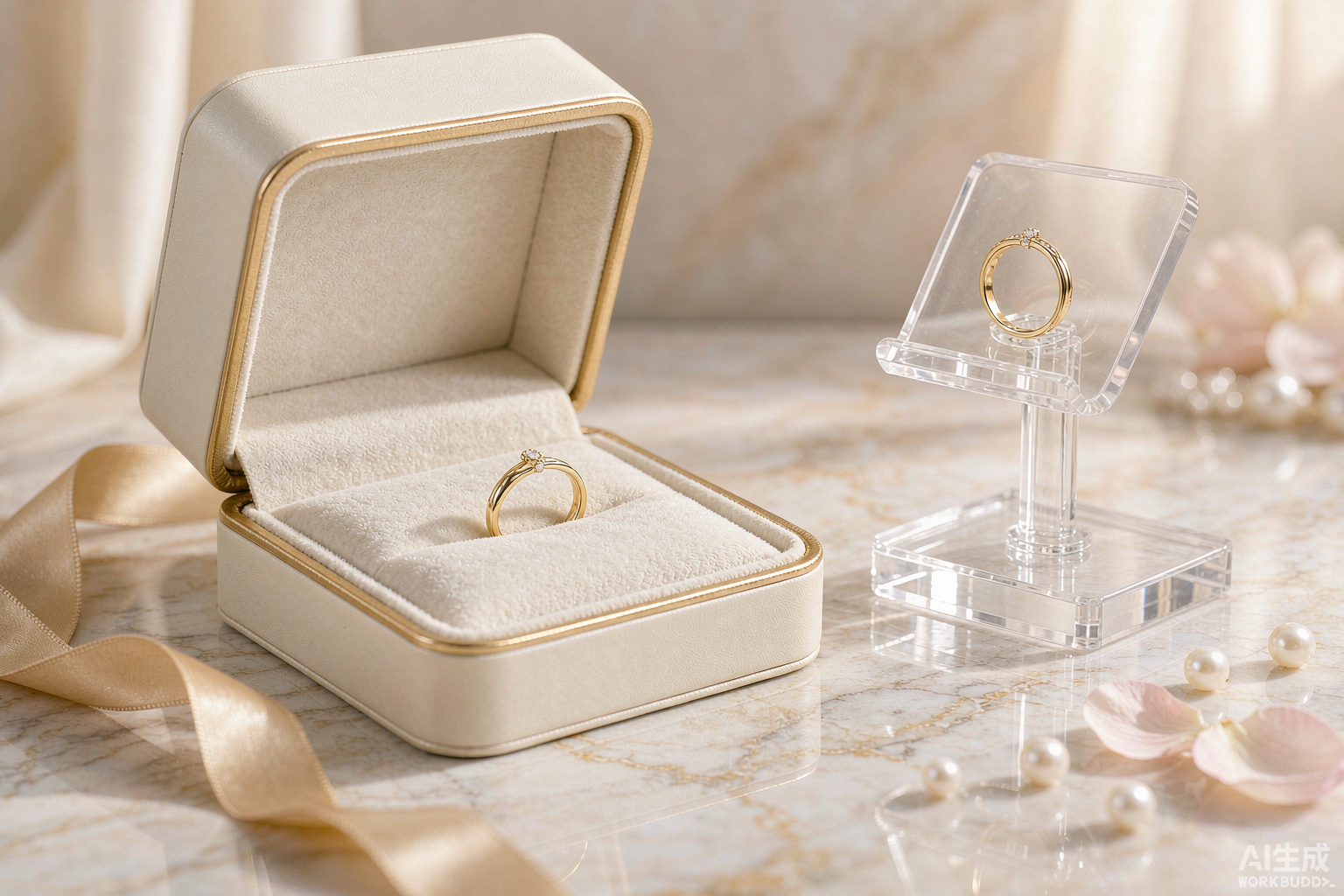
珠宝盒也会致敏? Why the Jewelry Box Itself Triggers Allergies
一只看起来高级的珠宝盒,内衬却可能让敏感肌顾客起了红疹——珠宝包装的「接触安全」,正在成为品牌不能回避的一门功课。越来越多采购与店主发现,被投诉的未必是珠宝本身,而是盒子上的金属扣、绒布与胶水。顾客把盒子捧在手里、凑近看、拆封时反复触摸,包装往往比珠宝更早、更久地贴着皮肤,这部分风险却最容易被忽略。
问一:为什么首饰盒、珠宝袋这些「包装」也会让人皮肤过敏?
致敏的元凶常常不在珠宝,而在包装的材料细节:磁吸扣、铰链、logo 铭牌多用镍合金;弹性绒布的染整助剂、内衬胶水残留也可能刺激皮肤。镍是接触性过敏最常见的诱因——西欧与北美约 10% 的人群对镍敏感,部分西欧人群甚至接近两成;欧洲五国一项覆盖 3119 名 18—74 岁普通人的研究(EDEN,发表于《Contact Dermatitis》2018)显示,镍致敏标化率达 14.5%,女性 22.2% 远高于男性 5.2%,31—45 岁女性更高达 31.8%。更麻烦的是,这类包装引起的接触性皮炎常被归咎于「首饰」,真正源头是盒子,因而长期被低估。首饰盒定制时若只盯外观、忽略内衬与配件的材料来源,就等于把过敏风险缝进了盒子本身。更要紧的是,一旦致敏,哪怕短暂接触含镍物品也会引发红肿瘙痒的接触性皮炎,所以包装上的小配件从不能侥幸。
问二:法规对「镍释放」到底划了什么红线?
欧盟 REACH 法规附件 XVII 第 27 条是核心:用于耳部等穿刺部位的饰品,镍释放须低于 0.2 微克/平方厘米/周;其他长期接触皮肤的物品,须低于 0.5 微克/平方厘米/周。检测按 EN 1811——把样品泡在人工汗液里一周,再用原子吸收或 ICP-MS 测析出的镍;磨损场景另有 EN 12472 模拟日常摩擦与腐蚀。考虑到测试本身的不确定度,身体穿刺配件结果低于 0.35、其他长期接触组件低于 0.88 即视为通过。美国以 CPSIA 与 ASTM F2923 对儿童珠宝限铅、镉更严,加州 65 提案另列管控清单;中国对应 GB 11887-2002、GB/T 19718 与 19719。如今不少零售商把「包装配件也纳入镍管控」写进采购条款,首饰盒出厂前就要做镍释放检测,而且按批次留存报告,方便溯源。
问三:哪些顾客和场景最该在意包装的接触安全?
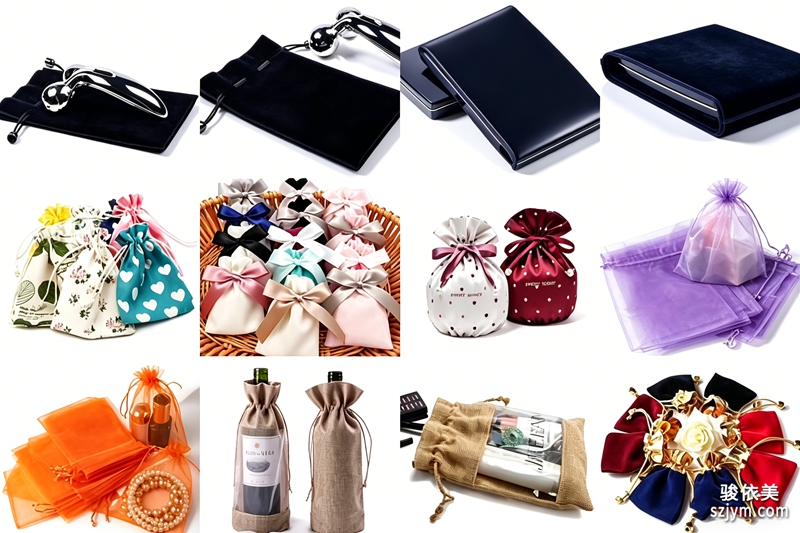
三类最敏感。一是穿耳、穿孔人群——研究显示穿孔者镍过敏的比值比(OR)高达 5.58,女性整体 OR 也达 5.19;二是婴幼儿礼物场景,宝宝会抓咬礼盒丝带与内衬,口腔黏膜比成人更娇嫩;三是敏感肌与孕产人群,本身就容易泛红刺痒。婚嫁、宝宝礼、节日礼赠的珠宝包装,最容易在「被触摸、被亲近」中反复接触皮肤,往往还经多人传递把玩,低敏内衬不只是加分项,而是底线。把这类礼盒做成「可放心摸」的饰品包装盒,是对收礼人最基本的体贴。
问四:高端简约的珠宝包装设计,为什么更容易通过「接触安全」这一关?
老板常说:高端简约珠宝首饰品包装设计,更容易被顾客青睐。从接触安全的角度看也成立——简约意味着更少的金属配件、更克制的装饰,等于更少的致敏源。少一道电镀铭牌、少一颗合金磁扣,就少一处镍析出风险,同时视觉更高级、成本更可控。这正是盛艺祥在珠宝包装设计上坚持「减法」的逻辑:用无镍合金、食品级 EVA、低 VOC 植绒替代易致敏材料,让盒子既好看又好摸。少一层复杂涂层,也少一层胶水与溶剂气味,对气味敏感的人同样是福音。
问五:低敏内衬和托盘到底该怎么选?
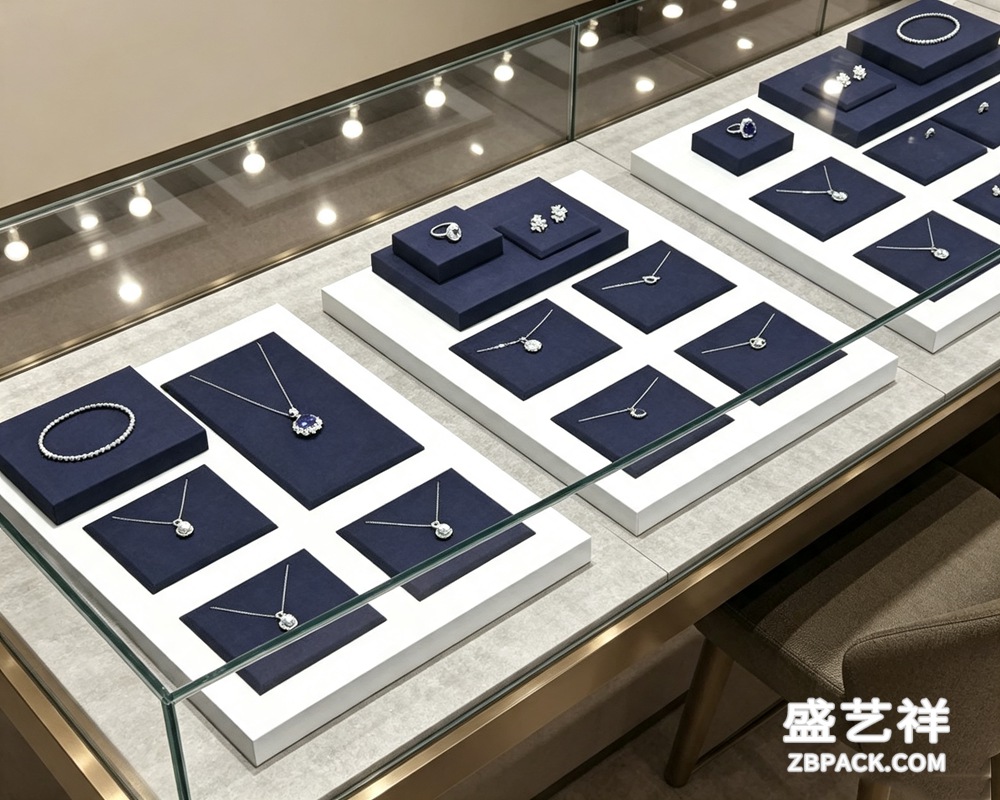
看三件事。其一,OEKO-TEX Standard 100 已延伸至珠宝配饰,按接触等级分为四类,越贴肤越严:I 类婴儿最严,II 类「直接接触皮肤」对镍、铅、镉、偶氮染料设限,包装内衬多落在此类。其二,配件优先无镍合金(316L 外科级不锈钢、钛)或明确标注「镍释放<0.5」的材质。其三,内衬用食品级 EVA、低 VOC 植绒与水亲和性胶水,避免刺鼻溶剂味。饰品包装盒与首饰袋若出口欧盟、日本,几乎被零售商要求附 OEKO-TEX 或等效检测;就连门店里天天被顾客与店员触摸的珠宝陈列道具与珠宝摆台,其绒布与金属边也建议走同一套低敏标准,毕竟它们同样贴着人的手。把低敏要求前置到打样阶段,远比上市后再召回便宜,也更护得住品牌名声。
问六:品牌怎么验收「接触安全」,投入值不值?
验收四件套:镍释放检测报告(EN 1811)、OEKO-TEX 标签、内衬材料 MSDS、胶水低 VOC 声明。回报是信任——敏感肌顾客愿为「可以放心触摸」的珠宝盒定制支付溢价,复购与口碑更稳。一旦因包装过敏被投诉,品牌损失远超几毛钱的内衬成本,还可能牵动电商差评、退换与社交平台吐槽,涟漪远超单盒。在珠宝盒工厂与首饰盒批发的验厂清单里,REACH 与 OEKO-TEX 早已是硬指标而非可选项;把接触安全写进规格书,才是真正为品牌护航,也让每一次开盒都安心。
本文为原创内容,版权归盛艺祥所有。如需转载请注明出处。
盛艺祥(Shengyixiang)——高端珠宝包装设计与定制专家,为品牌护航。
A jewelry box that looks perfectly luxe can still leave a sensitive customer with a rash. "Contact safety" of packaging—what the box, pouch and insert are actually made of—has become homework a brand can no longer skip. More and more buyers find the complaint is not the jewel but the clasp, the flocking and the glue. Customers hold the box, lean in, and touch it repeatedly while unboxing; the packaging meets the skin earlier and longer than the jewel does, yet this risk is the easiest to ignore.
Q1: Why would a jewelry box or pouch itself cause skin allergies?
The culprit is rarely the jewel. It is the details of the packaging: magnetic clasps, hinges and logo plates are often nickel alloys; dye auxiliaries in stretch velvet and adhesive residues in the lining can also irritate skin. Nickel is the most common cause of contact allergy—roughly 10% of people in Western Europe and North America are sensitized, and in some western European groups the share approaches one in five. A five-country European general-population study (EDEN, n=3119 adults aged 18–74, published in Contact Dermatitis 2018) found an age-standardized nickel sensitization rate of 14.5%, with women at 22.2% versus 5.2% for men, and 31–45-year-old women as high as 31.8%. The messier part: packaging-driven contact dermatitis is usually blamed on "the jewelry," so the real source—the box—stays underestimated for years. When you customize a jewelry box and only watch the look, you can quietly sew an allergy risk into the box itself.
Q2: What exactly are the regulatory red lines for nickel release?
The core is Entry 27 of Annex XVII to the EU REACH Regulation: for articles inserted into pierced skin, nickel release must stay below 0.2 µg/cm²/week; for other items in prolonged skin contact, below 0.5 µg/cm²/week. Testing follows EN 1811—soak the sample in artificial sweat for a week, then measure leached nickel by atomic absorption or ICP-MS—with wear-and-corrosion simulation per EN 12472. Because the test itself carries uncertainty, a result below 0.35 for pierced-body parts and below 0.88 for other prolonged-contact parts is treated as a pass. In the US, CPSIA and ASTM F2923 tighten lead and cadmium limits for children's jewelry, and California Prop 65 lists additional substances; China maps to GB 11887-2002 with GB/T 19718 and 19719. Many retailers now write "packaging fittings are also under nickel control" into purchase terms, so a jewelry box is tested for nickel release before it ships—and the report is kept by batch for traceability.
Q3: Which customers and occasions should care most about contact safety?
Three groups are most sensitive. People with piercings—one study put the odds ratio for nickel allergy at 5.58 for piercing wearers, and 5.19 for women overall. Babies and toddlers, who chew ribbons and linings in gift boxes, with oral skin more delicate than an adult's. And people with sensitive or pregnancy-prone skin, who flush and itch easily. Bridal, baby and festive gifting packaging gets touched and held closest, repeatedly, and is often passed around and handled by several people—so a low-irritation lining is a baseline, not a bonus. Making such a gift box a "safe to touch" jewelry box is the most basic courtesy to the recipient.
Q4: Why do high-end, minimalist jewelry packaging designs pass the "contact safety" test more easily?
The owner often says: high-end, minimalist jewelry packaging design is more favored by customers. It holds for contact safety too—minimalism means fewer metal fittings and more restrained decoration, which means fewer sensitization sources. One less electroplated plate, one less alloy magnet clasp, one less place for nickel to leach, while the look stays more premium and the cost stays controlled. This is exactly the "subtraction" logic Shengyixiang follows in jewelry packaging design: nickel-free alloys, food-grade EVA and low-VOC flocking replace irritating materials, so the box looks good and feels good to touch. One fewer complex coating layer also means less glue and solvent odor—a relief for anyone sensitive to smell.
Q5: How do you actually choose a low-irritation lining and tray?
Three checks. First, OEKO-TEX Standard 100 has been extended to jewelry and accessories, graded into four contact classes—the closer to skin, the stricter: Class I for babies is tightest, Class II "direct skin contact" caps nickel, lead, cadmium and azo dyes, and most packaging linings fall in this class. Second, prefer nickel-free alloys (316L surgical stainless, titanium) or fittings explicitly labeled "nickel release <0.5". Third, use food-grade EVA, low-VOC flocking and skin-friendly water-based adhesives, avoiding harsh solvent smells. For jewelry boxes and pouches exported to the EU or Japan, retailers all but require an OEKO-TEX or equivalent test report; even the jewelry display props and display stands in a store, touched daily by customers and staff, deserve the same low-irritation standard, since they too meet bare hands.
Q6: How should a brand verify "contact safety", and is it worth it?
Four things to collect: a nickel-release report (EN 1811), an OEKO-TEX label, an MSDS for the lining, and a low-VOC declaration for the adhesive. The payoff is trust—sensitive-skin customers will pay a premium for a custom jewelry box they can touch without worry, and repeat purchase and word-of-mouth stay steadier. A complaint from packaging allergy costs far more than a few cents of lining; it can also trigger e-commerce bad reviews, returns and social chatter whose ripple dwarfs a single box. On a jewelry box factory's and wholesale supplier's audit checklist, REACH and OEKO-TEX are already hard requirements, not options; writing contact safety into the spec sheet is what truly protects the brand, and makes every unboxing worry-free.
This is original content. Copyright belongs to Shengyixiang.
Shengyixiang — your expert in high-end jewelry packaging design & customization.