胸针正在重回衣襟 The Brooch Renaissance: Why It's Back in 2026
今年春天,时装周上被反复讨论的配饰,不是耳环,也不是项链,而是一枚别在衣襟上的胸针。从 Chanel 箱型外套上巨大的花卉胸花,到 Mugler 结构感十足的金属别针,从 Dior 高定秀场如花店般盛放的立体胸饰,到 Tory Burch 把复古风胸针别在 Polo 衫领口与针织衫前襟——这枚"过时"的配件突然无处不在。多家趋势机构把它称作"2026 年最值得关注的配件故事":BlueStone 直接发文追问"胸针在 2026 年还流行吗",WhoWhatWear 则说它正从奶奶的珠宝盒里走出来,ICA 更直白地称之为"胸针文艺复兴"。
胸针的回归,背后是一条清晰的逻辑。过去几年,"静奢"美学主导了珠宝语境——细链、隐形镶、克制的极简,仿佛把存在感藏起来才是高级。但 2026 年的风向明显转了:人们要的是"被选中"的感觉,而不是"被积累"的隐身。一件有重量、有性格、有故事的胸针,恰好满足了这种表达欲。它不像戒指要量指圈,不像项链要配领型,一枚别针就能把一件基础款大衣变成"你的"衣服。
最有趣的变化,是胸针的代际迁移。它曾经被牢牢钉在"长辈的珠宝盒"里——一只传承下来的银质小狗别针、一枚母亲传下的珍珠胸花。如今这层旧叙事被年轻人主动接管:他们从家族长辈那里继承,也去二手店淘,还在 Pinterest 与 Instagram 上把"胸针叠戴"(brooch stacking)玩成了爆款。Stars and Vogue 把胸针列为 2026 年搜索与购买增长最快的品类之一,并点名珍珠胸针、水晶宣言款、极简金针、花卉造型与动物母题最热。换句话说,胸针正在从"怀旧"变成"个性签名"。
另一股推力来自中性化与权力着装。当西装、大衣、结构感针织重新成为衣橱主角,胸针找到了最自然的舞台。它不再专属女性,也被别进男士礼服的驳领;它既是 power dressing 的点睛,也是日常通勤的低调态度。Besty 在 2026 趋势报告里把胸针与雕塑银、叠戴项链并列,称之为"看起来像被收集来的珠宝"的代表——少一点完美,多一点个人。
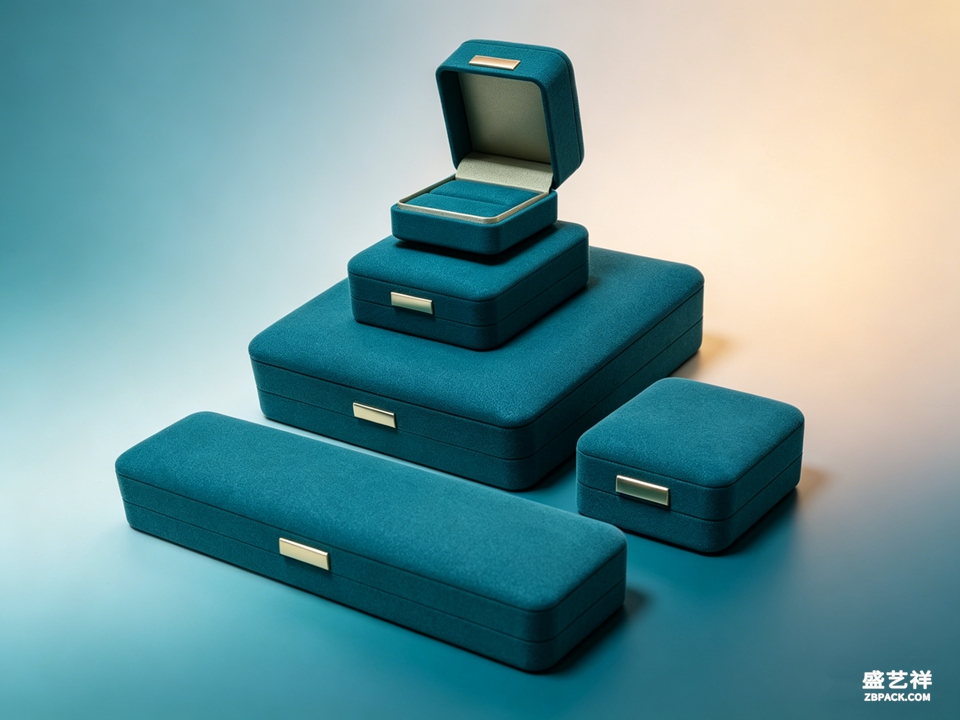
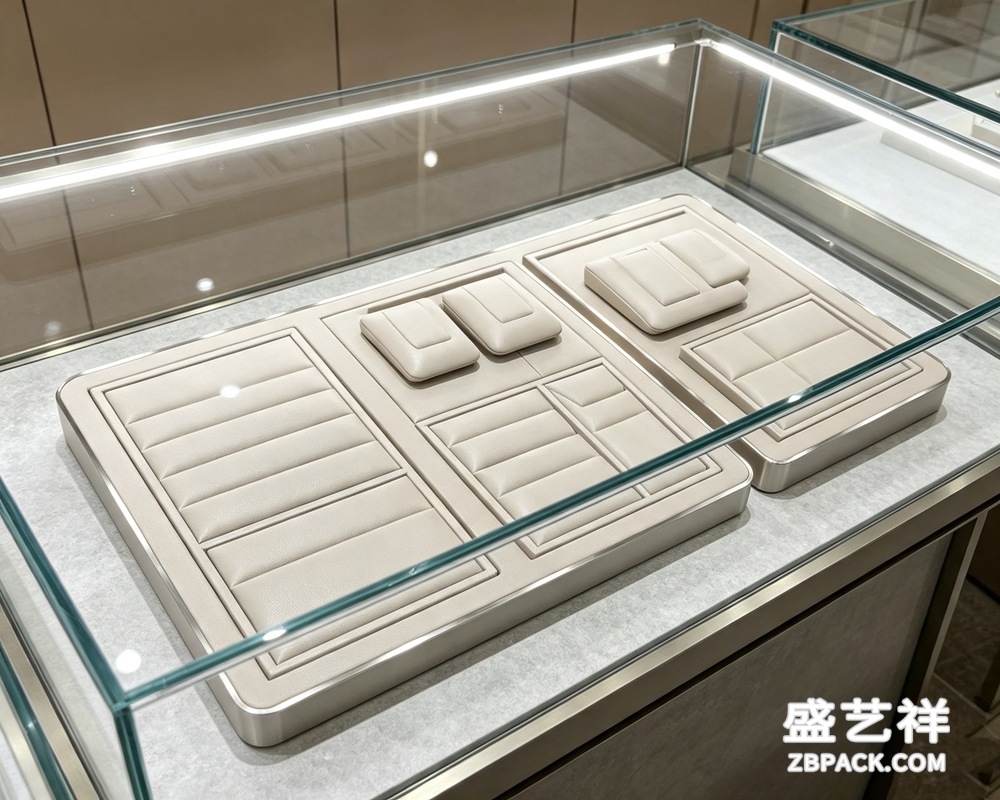
这也是一场关于"少即是多"的重新诠释。静奢没有消失,而是被人格化了:一件干净的白衬衫、一件好大衣,胸针就是那唯一的主角。ICA 的造型法则说得很干脆——让一枚雕塑感胸针成为整套造型的"制造者",好过三件互相打架的夸张单品。这种"一件主角"的逻辑,恰好和高端珠宝包装领域的判断同频:当产品本身足够有性格,包装要做的不是抢戏,而是把这份性格稳稳托住。一枚胸针需要的不是硕大的礼盒,而是一只内衬妥帖、能固定别针、防止针尖弯折或刮伤的首饰盒;在门店里,珠宝陈列道具要把胸针别在丝绒胸像或斜板书页上,让顾客一眼看到"别上去之后的样子",而不是让它躺平在托盒里失去神态。
可持续叙事也为胸针加了分。古董胸针天然是"慢时尚"的注脚——它不被丢弃,不被迭代,在不同主人之间流转。BlueStone 提到,许多买不到原版古董的顾客,转而追逐带有 Art Deco 几何线条或维多利亚花卉意象的新作,这让复古美学在全价位段都卖得动。对品牌而言,一枚能反复回潮、无需改尺寸、可成传家物的胸针,是性价比极高的"长期资产":它不挑人,也不挑场合,母亲节、婚礼、纪念日都能送,还自带深意。
值得玩味的是价值坐标的迁移。过去胸针常被当作"显贵"的符号——名媛礼服上一枚巨钻胸针,是身份的横幅。今天它更像"显己"的载体:你别在哪里、别什么、怎么叠,都在替你说话。这种从"彰显财富"到"彰显自我"的转向,和这两年珠宝消费的整体情绪一致,只是胸针把这件事做得更轻、更巧、更日常。
对做呈现的人来说,胸针的流行提出了新问题:珠宝包装设计得把"别针安全"写进结构——磁吸开合要单手可掀、内衬要有独立的针位卡口、绒布要无酸护色;运输与陈列则要兼顾"别上去的姿态"。这正是盛艺祥作为高端珠宝包装设计与定制专家持续打磨的方向:把开启动作、针位固定、视觉落点一起放进图纸,让盒子本身也经得起反复使用。
胸针的回潮,本质上是一场关于"表达"的回潮。当一枚小别针能在一句话还没说出口前,就告诉别人你是谁,它就不是饰品,而是态度。而一件值得别一辈子的胸针,也值得一只同样讲究的盒子与一方同样得体的陈列。
本文为原创内容,版权归盛艺祥所有。如需转载请注明出处。
盛艺祥(Shengyixiang)——高端珠宝包装设计与定制专家,为品牌护航。
This spring, the most talked-about accessory on the runways was not an earring or a necklace. It was a brooch — pinned to the lapel of a boxy jacket, the placket of a knitted polo, or the strap of a crossbody bag. At Chanel's SS26 show, models wore giant floral corsages on structured blazer lapels. At Mugler, the pins were architectural and sharp. Dior's haute couture collection for S/S 26 looked, in one critic's words, like "the bouquets of a florist shop," with blooming florals and animal-themed brooches scattered across the looks. Tory Burch clipped vintage-inspired bars onto collar points and knitwear fronts. WhoWhatWear called it plainly: the chicest jewelry trend of spring 2026 can be found in your grandmother's jewelry box.
The trade press agrees this is more than a styling footnote. BlueStone published a straight-faced explainer titled "Are Brooches Trending in 2026?" ICA went further, naming "The Brooch Renaissance" arguably the accessory story of the year, while Stars and Vogue branded brooches "the ultimate comeback jewelry trend of 2026." The most-searched and most-shopped styles, they note, are pearl brooches, crystal statement pins, minimalist gold brooch pins, floral designs, animal motifs, and vintage cameos. Search growth, in other words, is not nostalgia. It is reinvention.
Why now? The short answer is that the quiet-luxury spell has broken. For several seasons the template was whisper-thin chains, invisible settings, and an "if you know, you know" restraint. 2026 wants personality and weight. As one trend map put it, pieces should feel "chosen, not just accumulated." A brooch fits that mood perfectly: it requires no sizing, works on almost any garment, and reads instantly as intentional. Where a ring ties you to a finger size and a necklace to a neckline, a pin turns a basic coat into yours.
The generational handover is the fun part. The brooch lived for decades in the "grandmother's box" — an inherited silver dachshund, a mother's pearl corsage. Young buyers are reclaiming that narrative on their own terms: they inherit from relatives, hunt secondhand, and turn "brooch stacking" into a viral Pinterest and Instagram move. Stars and Vogue lists the practical reasons it travels so well — one size fits all, deep symbolic meaning, and the rare ability to become an heirloom that cycles back into fashion every few years. The brooch, in short, moved from throwback to signature.
There is also a class signal hiding in the revival. WhoWhatWear described the brooch as "for those in the know" — a piece you pull from a family heirloom or unearth secondhand, not something a logo does the talking for. That quiet-coded connoisseurship is exactly the kind of status 2026 rewards: not loud, but specific. Agmes, By Malene Birger, and a fleet of indie houses leaned into sculptural pins this season, and the style set answered by fastening sweaters at the shoulder, ornamenting blazer lapels, and treating the brooch as a calling card. The accessory stopped being costume and became a literacy test.
Another engine is gender-neutral and power dressing. As tailoring — coats, blazers, structured knits — returns to the wardrobe, the brooch finds its natural stage. It is no longer coded female; it sits on men's tuxedo lapels too. Stylists treat it as a power-dressing essential and a low-key everyday gesture at once. Besty's 2026 report groups brooches with sculptural silver and curated charm necklaces as "jewelry that looks collected, not bought" — less perfect, more personal.
This is also a redo of "less is more." Quiet luxury did not vanish; it got personalized. A crisp white shirt, a good coat, and the brooch becomes the single protagonist. The styling rule is consistent across every report: let one sculptural piece be the outfit-maker, better than three competing statement items. That "one hero piece" logic mirrors what high-end packaging experts have long argued — when the product has enough character, the box should not steal the show but hold that character steady. A brooch does not need a huge gift box; it needs a proper jewelry box with secure pin positioning so the needle never bends or scratches. In store, jewelry display props should pin it on a velvet bust or an angled card so shoppers see it worn, not lying flat and lifeless in a tray.
Sustainability helps the case. A vintage brooch is slow fashion by definition — never discarded, never iterated, passed between owners. BlueStone notes that buyers who cannot access original antiques drive strong demand for new pieces referencing Art Deco geometry or Victorian florals, which makes the revival sell across every price point. For a brand, a brooch that recurs in trend cycles, needs no resizing, and becomes an heirloom is a remarkably efficient long-term asset: it suits any recipient and any occasion, from Mother's Day to weddings to anniversaries, and it carries meaning by itself.
The investment angle is real but secondary. Resale observers note that fine and vintage brooches from heritage houses can hold value, yet their truer payoff is styling power: they never need resizing, they become heirlooms, and they return to trend on a loop. Few jewelry categories offer that longevity. A brooch is the rare piece that can be worn by a grandmother, set aside for a decade, and pinned back on by a grandchild without feeling dated.
The modern styling vocabulary is what makes the revival feel fresh rather than costume. The old rule pinned a brooch to the left jacket lapel and nowhere else; 2026 ignores that entirely. A brooch on a shirt collar frames the face like a necklace; clipped to a bag strap it travels with every outfit; pinned through a silk scarf knot it secures and sparkles at once; set slightly off-centre on a blazer it reads editorial rather than formal. Layered over chunky knitwear, a sculptural gold or diamond brooch creates the high-low contrast that looks intentional. The principle is consistent across every styling guide: let the brooch lead, and keep everything else simple.
The revival is not uniform across markets. European buyers, with deeper ties to enamel and heritage craft, gravitate toward traditional techniques in contemporary colour; Asian and North American shoppers lean into statement crystals and minimalist gold. What unites them is the shift from logo-wearing to meaning-wearing — a brooch is chosen, not assigned. For brands, that means the presentation must carry the story: a card that names the technique, a box that protects the pin, a bust that shows it worn rather than stored.
For houses building a working jewelry wardrobe rather than buying for single occasions, the brooch is a strategic piece. It layers across seasons, costs nothing to resize, and turns a coat bought years ago into something new. That versatility is precisely why packaging and display deserve the same care as the piece itself — a brooch bought for its longevity should arrive in a case built to last just as long, and sit in a window that proves it belongs on the body, not in a drawer.
What is worth noticing is the shift in the value coordinate. The brooch used to signal wealth — a giant diamond corsage on a socialite was a banner of status. Today it signals self: where you pin it, what you pin, how you stack it, all speak for you before you say a word. This move from "showing wealth" to "showing who you are" tracks the broader mood in jewelry consumption; the brooch just does it lighter, smaller, and more daily than most categories.
For anyone in presentation, the brooch boom raises a concrete question: jewelry packaging design has to put pin safety into the structure — a magnetic closure openable with one thumb, an independent needle slot in the lining, acid-free velvet to protect the finish; shipping and display must both respect the "worn" posture. This is exactly what Shengyixiang refines as a high-end jewelry packaging design and customization expert: opening motion, needle fixation, and visual landing point all drawn into the blueprint, so the box itself survives repeated use. Brooches survive centuries; the case that carries them should be built to last just as long.
The brooch revival is, at heart, a revival of expression. When a small pin tells people who you are before you speak, it stops being an accessory and becomes an attitude. And a brooch worth wearing for a lifetime deserves a box — and a display — just as considered.
This is original content. Copyright belongs to Shengyixiang.
Shengyixiang — your expert in high-end jewelry packaging design & customization.