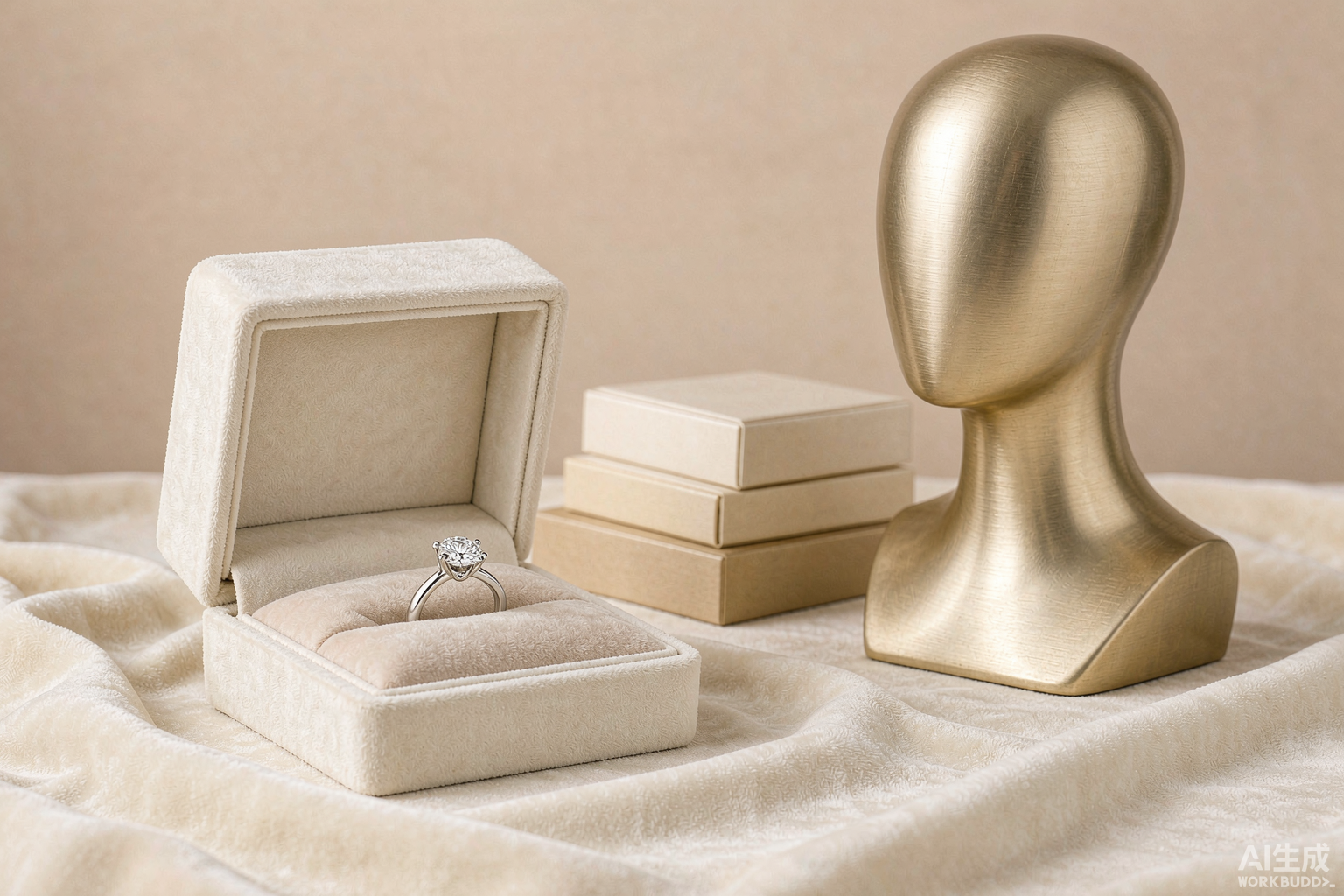
模块化陈列省成本 Why Modular Jewelry Display Systems Outperform Fixed Fixtures
一家珠宝店的"货架"多久没变过?当季新款和半年前的陈列撞脸,顾客很难有新鲜感——模块化陈列道具正成为门店低成本常换常新的解法。
问:什么是"模块化陈列道具",它和固定道具差在哪?
模块化陈列道具指的是核心结构件(框架、底座、托架)标准化生产、可长期复用,而展示面板、内衬、标牌、腰封等"表层件"可快速拆换的陈列系统。它和固定道具最大的区别,是后者一旦定型就焊死在店里——想换主题只能整组拆掉重做,既贵又停业。行业数据给出了方向:据 PW Consulting 的《全球珠宝展示架市场 2026》报告,2025 年全球珠宝展示架市场规模约 13.45 亿美元,预计到 2032 年增至 19.25 亿美元,年复合增长率 5.25%;其中植绒与织物类材质以 36.0% 的份额居首,专业零售店渠道占 58.0%。报告明确提到,从独立精品店到大型连锁,零售商正普遍转向"模块化、可复用"的陈列方案,以兼顾美学与成本效率。换句话说,模块化不是小众玩法,而是市场主流的演进方向。对品牌而言,盛艺祥这类提供珠宝陈列道具定制与珠宝包装设计的供应商,能把"标准结构+可换面板"做成一套可复制的门店语言。
问:模块化怎么帮门店换季、做主题快闪?
珠宝零售的场景越来越碎:情人节专柜、国潮主题展、新品发布快闪、会员私享品鉴……不同场景对陈列的需求天差地别。模块化思维的妙处在于——核心骨架不动,换表层就换故事。行业实践显示,一组设计精良的模块化陈列架,能在两小时内完成从"婚嫁主题"到"时尚潮流主题"的切换,无需整体拆除重装。这种柔性适配不但把门店运营成本压下来,更让品牌始终保持新鲜感和话题度。效果也有数据支撑:专业视觉营销可让"进店到成交"的转化改善约 21%、客单价提升约 18%(jewelrypackage 案例);布局清晰、分区明确的门店能多吸引约 30% 的逛店客,陈列规整本身就能拉动最高约 25% 的销售额提升。对盛艺祥而言,这意味着珠宝摆台与道具可以跟着品牌节奏走,而不是反过来被固定货架绑架。
问:多店连锁怎么靠模块保持统一品牌语言?
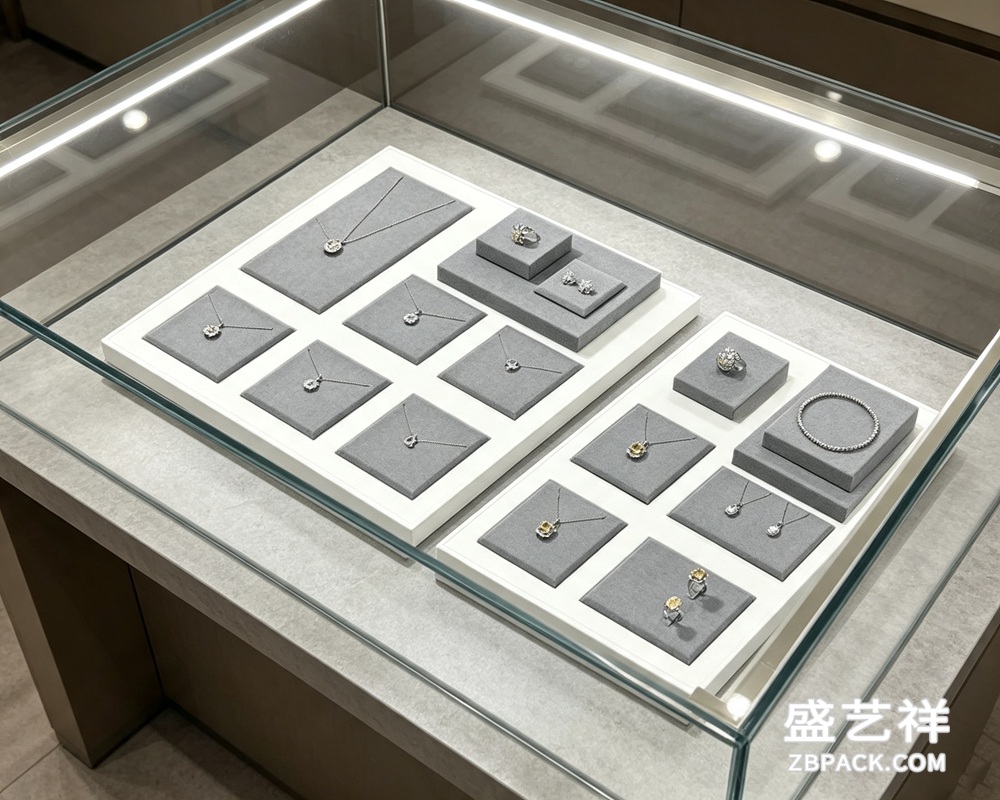
连锁最怕"十家店十种调性"。模块化的解法是:把品牌识别写进"不可换"的核心结构件——统一材质、统一铭牌、统一折角与底色;把"可换"的交给面板、腰封和主题卡。海外服务商 Pacio Group 曾为一家拥有 20 多家门店的中型珠宝品牌做模块化橱窗改造:统一金色饰边、黑色植绒内衬、模块化标牌槽,10 家旗舰店全面落地后,三个月内店内销售额提升 35%、顾客在高端展柜前的停留时间增加 22%、连带与加购提升 18%,店员反馈每周刷新陈列变得轻松。另一组定制柜对比数据更直观:定制柜将顾客在展柜前的平均停留从 18 秒拉到 31 秒,试戴请求率从 12% 升到 27%,浏览到购买转化率从 6.4% 升到 10.3%,品牌一致性评分从 54 分提到 88 分(suntop 调研)。这背后的逻辑,是把珠宝盒定制与珠宝包装设计的同一套视觉语言,顺延到门店道具上。
问:高端简约更受青睐——模块化陈列凭什么"显贵"?
老板常强调一个判断:高端简约的珠宝包装与陈列,更容易被顾客青睐。放到模块化陈列上同样成立。模块化标准件天然走向"哑光、克制、统一":没有多余装饰、没有杂乱堆砌,预算被投到标准化公差、统一材质语言和稳定的灯光呼应上,而不是砸在花哨的一次性造型里。这恰是高端感知的来源。一个真实对照:纽约珠宝设计师 Sarah K 把陈列改成"无杂乱"的模块化格局(竖向软木组织+LED 聚光)后,三个月销售额增长 27%,顾客浏览时长变为原来三倍,转化率跳升 42%(vdshowcase 案例)。少即是多,不是省钱话术,而是被反复验证的转化逻辑。当道具干净到只衬托珠宝本身,顾客目光自然落到产品,而不是被背景抢戏——这正是"高端简约更受青睐"在门店里的落地。
问:模块化陈列道具和珠宝盒、包装怎么讲同一套话?
顾客在门店看到的温度,应该和拆开快递盒那一刻一致。模块化的价值,正在于让珠宝陈列道具、珠宝摆台与珠宝包装设计共用同一套材质、底色和铭牌语言:店内是哑光黑绒配金边,包装盒就别突然跳成亮面红;道具上的品牌色,应该和首饰盒、腰封、证书卡对齐。美国零售联合会(NRF)相关研究反复印证,道具与陈列的组合能让关联销售提升 18%–30%。更现实的是成本:当陈列道具和珠宝盒由同一供应链协同打样,开模、配色、验厂一次打通,边际成本明显下降。盛艺祥的优势正在于此——从门店道具到珠宝盒定制,提供的是一条可对齐的全链路,而不是各做各的孤岛。
问:怎么验收、怎么算这笔账的 ROI?
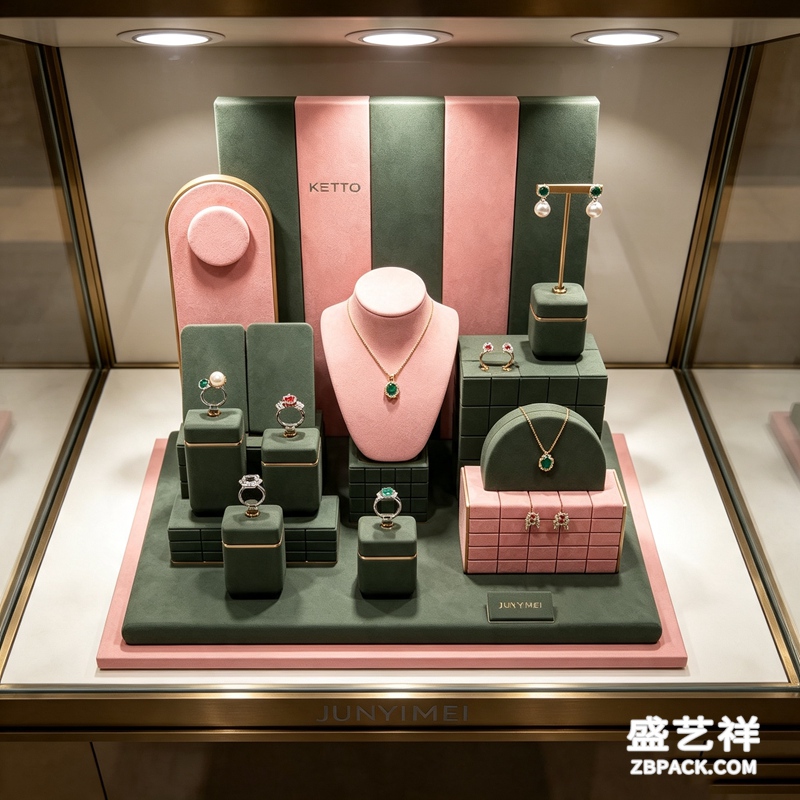
验收模块化陈列,看三件事:一是核心结构件的复用率(标准件应能跨季跨店复用,而非一次性消耗);二是面板/主题更换工时,健康目标应控制在两小时以内;三是材质合规,绒布与内衬最好具备 OEKO-TEX 或符合 REACH 要求,避免致敏与异味。算 ROI 时,参考前述 Pacio 案例的"销售 +35%、停留 +22%、连带 +18%"三件套即可,再叠加"七三开"原则:70% 预算投在可长期复用的核心结构件,30% 投在可换面板与主题件,比每次整组重做省得多。对小品牌,模块化还意味着小批量柔性打样——先在一两家店试一套,跑通再复制到全部门店。盛艺祥的珠宝陈列道具定制能力,正是为多店标准化+主题快换这种节奏设计的:骨架统一、面板常新,让门店始终有话可说,又不必为每次换主题付整店重装的代价。
本文为原创内容,版权归盛艺祥所有。如需转载请注明出处。
盛艺祥(Shengyixiang)——高端珠宝包装设计与定制专家,为品牌护航。
Walk into a jewelry store and the showcase looks exactly like it did six months ago—same arrangement, same story. When the season's new arrivals share a stage with last quarter's setup, shoppers stop noticing. Modular display props are how smart retailers keep the floor fresh without rebuilding the store.
Q: What exactly is a "modular" jewelry display, and how is it different from fixed fixtures?
A modular display system means the core structural parts—frames, bases, holders—are standardized and built to be reused for years, while the "surface" parts like panels, inserts, plaques and waist bands can be swapped quickly. The opposite is a fixed fixture: once it's built, it's locked into the store. Change the theme and you have to tear the whole thing out and rebuild, which is expensive and forces you to close the section. The market is clearly moving modular. PW Consulting's 2026 Worldwide Jewelry Display Stands report puts the category at USD 1.345 billion in 2025, rising to USD 1.925 billion by 2032 at a 5.25% CAGR; velvet and fabric materials lead with a 36.0% share and specialty retail stores account for 58.0% of demand. The report notes that from independent boutiques to large chains, retailers are shifting toward "modular, reusable displays" that blend aesthetics with cost efficiency. In practice, a supplier like Shengyixiang that handles both jewelry display props and jewelry packaging design can turn "standard structure + swappable panel" into one repeatable in-store language.
Q: How does modularity help a store change seasons and run themed pop-ups?
Jewelry retail now lives in many small moments: a Valentine's corner, a guochao (national-trend) exhibition, a new-collection launch pop-up, a members-only private viewing. Each wants a different stage. Modularity's trick is simple—keep the skeleton, swap the story. Industry practice shows a well-designed modular stand can shift from a "bridal" theme to a "fashion" theme in about two hours, with no full teardown. That flexibility cuts operating cost and keeps the brand feeling new and talk-worthy. The payoff is measurable: professional visual merchandising improved a store's walk-in-to-conversion ratio by about 21% and average ticket size by about 18% (jewelrypackage case); clearly zoned stores attracted about 30% more browsers, and organized displays alone lifted sales by up to 25%. For Shengyixiang, it means jewelry display stands and props move with the brand's calendar instead of being held hostage by fixed shelves.
Q: How do multi-store chains keep one brand language with modules?
A chain's nightmare is "ten stores, ten personalities." Modularity solves it by writing the brand identity into the non-swappable core—unified material, unified plaque, unified bevel and base color—and leaving panels, waist bands and theme cards to be swapped. Pacio Group rebuilt modular showcases for a mid-size brand with 20+ locations: unified gold trim, black velvet inserts and modular signage slots. After rolling out to 10 flagship stores, in-store sales rose 35% within three months, dwell time near premium cases rose 22%, and attach/add-on purchases rose 18%; staff said refreshing displays weekly became easy. Another custom-case comparison is sharper: a custom case lifted average dwell from 18 to 31 seconds, try-on request rate from 12% to 27%, browse-to-purchase conversion from 6.4% to 10.3%, and brand-consistency score from 54 to 88 (suntop survey). The logic is to extend the same visual language of custom jewelry boxes and jewelry packaging design onto the in-store props.
Q: "High-end minimalism wins favor"—why does modular display read as premium?
The owner's recurring point holds here too: high-end, minimalist jewelry packaging and display are simply favored by customers. Modular standard parts naturally trend matte, restrained and unified—no excess decoration, no clutter—so the budget goes into standardization tolerance, a consistent material language and stable lighting, not into flashy one-off shapes. That is exactly where premium perception comes from. A real contrast: NYC jewelry designer Sarah K switched to a clutter-free modular layout (vertical cork organizers + LED spots) and saw sales up 27% in three months, browsing time triple, and conversion jump 42% (vdshowcase). Less is more is not a cost-cutting slogan; it's a repeatedly proven conversion rule. When the prop is clean enough to only set off the jewelry, the eye lands on the product, not the background—which is "high-end minimalism wins favor" executed on the sales floor.
Q: How do modular props and the jewelry box tell one story?
The temperature a customer feels in-store should match the moment they open the shipping box. Modularity's value is letting jewelry display props, jewelry display stands and jewelry packaging design share one material, base color and plaque language: matte black velvet with gold edge in the store, then don't suddenly flip to glossy red on the box; the brand color on the prop should align with the ring box, waist band and certificate card. NRF research repeatedly shows display-and-prop combinations lift attachment sales by 18%–30%. More practically, when display props and jewelry boxes are developed by one supply chain, tooling, color matching and factory audits are done once and costs drop at the margin. Shengyixiang's strength is exactly this—from in-store props to custom jewelry boxes, one aligned pipeline rather than disconnected islands.
Q: How do you accept it, and how do you count the ROI?
Accept a modular display on three checks: reuse rate of the core structural parts (standard parts should cross seasons and stores, not be single-use); panel/theme swap time, with a healthy target under two hours; and material compliance—velvet and inserts ideally carry OEKO-TEX or meet REACH to avoid allergens and odor. For ROI, lean on Pacio's "sales +35%, dwell +22%, attach +18%" trio, then apply a 70/30 rule: put 70% of budget into reusable core structures and 30% into swappable panels and theme parts—far cheaper than rebuilding the whole set each time. For small brands, modularity also means low-volume flexible prototyping: pilot one set in a store or two, then replicate across all doors once it works. Shengyixiang's custom jewelry display capability is built for exactly this rhythm—unified skeleton, frequently renewed panels—so the store always has something to say without paying a full rebuild for every theme change.
This is original content. Copyright belongs to Shengyixiang.
Shengyixiang — your expert in high-end jewelry packaging design & customization.