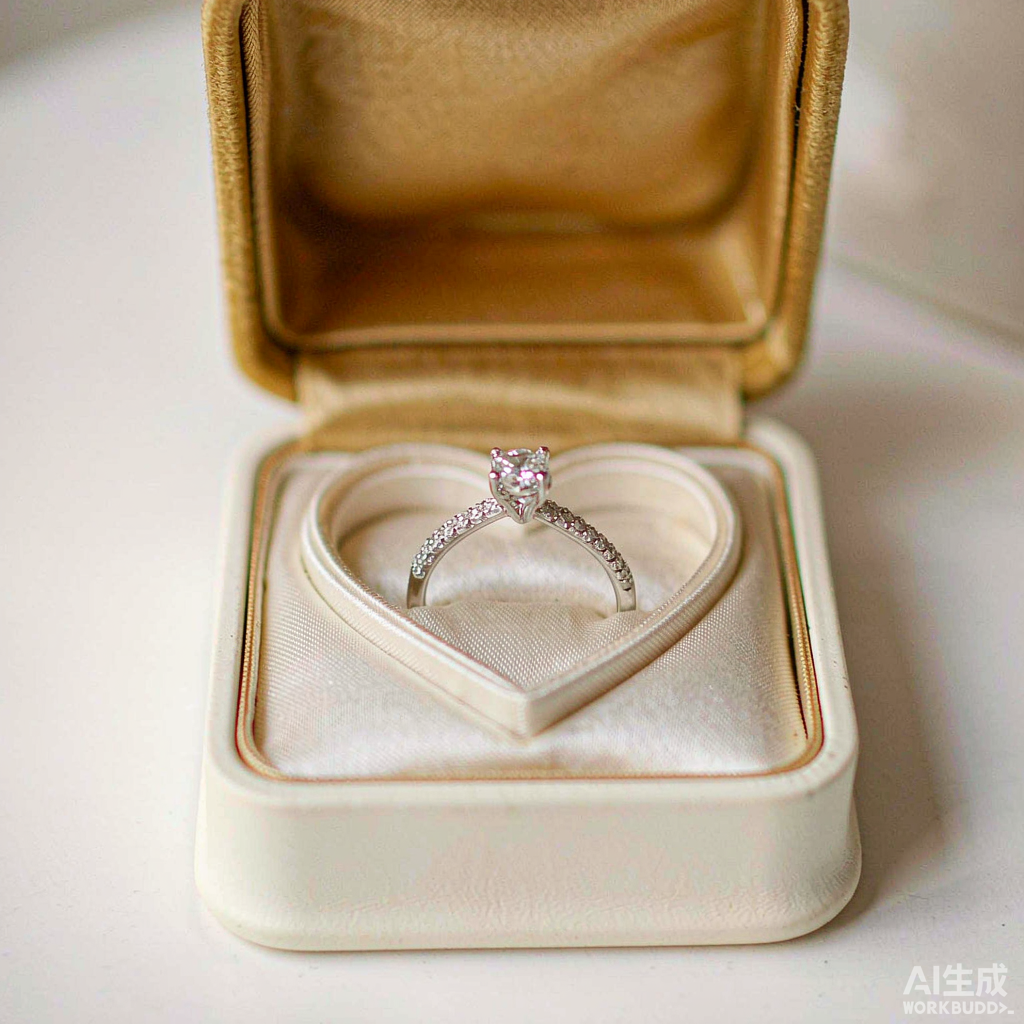
首饰盒材质怎么选 How to Choose the Right Jewelry Box Material
一只首饰盒拿在手里,顾客往往先摸材质、再看工艺。选对材质,比堆满装饰更显贵。下面用六个真实常问,把"盒材怎么选"讲透。
Q1:顾客最常问——选首饰盒,第一关到底看什么?
很多人以为材质只是成本问题,其实它是"包装的灵魂"。2025 年全球奢侈品包装盒市场,纸质以约 60% 的份额稳居第一(PW Consulting),木约 20%、金属约 13%、皮革与植绒合计约 6.7%——纸是绝对主流,但不代表它"廉价"。牛津大学跨模态实验室 2023 年的研究发现,在奢侈品评估中,触觉是比视觉、听觉、嗅觉更关键的一票:同样的产品,用织物包覆的包装比硬纸板包装被判定"更高档"的比例高出 27%。这说明,材质直接定义顾客对手中那件珠宝的价值感知。盛艺祥在珠宝包装设计上始终强调:先定材质语言,再谈造型。
Q2:纸质(纸板 / 珠光 / 触感膜)适合哪些珠宝?
纸质之所以占六成市场,靠的是"全能"。它可压纹、可烫金、可覆哑膜,1200gsm 灰板能给出沉手的分量感——轻飘的薄盒一拿就显廉价,厚实纸板才像在保护贵重之物。更妙的是,如今纸质能"仿出"高级触感:Stora Enso 的 Ensovelvet 用无涂布 SBS 纸板做出丝绒般顺滑面,可降解可回收;软触感(soft-touch)覆膜让纸也有天鹅绒手感。对电商而言,瓦楞纸板占奢侈品硬盒 31.4% 份额,正是因为它抗摔抗压,长途运输不塌。一句话:绝大多数珠宝、尤其走电商与可持续定位的品牌,纸质加触感工艺是性价比与质感兼得的第一选择。饰品包装盒也多以纸质为基底。
Q3:植绒(velvet)盒子值不值得上?
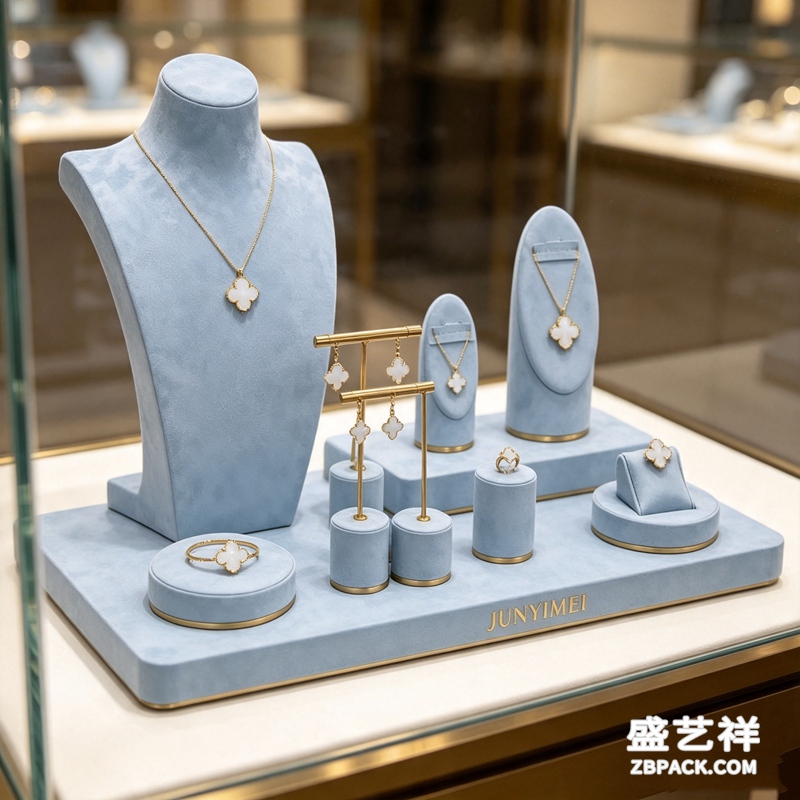
值,但要"用对地方"。贝恩 2025 报告称,自 2022 年以来已有 68% 的奢侈品牌引入或扩大了织物包覆包装——植绒正从点缀变为主角。Luxury Institute 2024 感知调研给出硬数据:植绒盒在"感知产品价值"上比软触哑膜高 34%,在"想作为礼物送人"上高 41%,视觉饱和度与光线流动感无材能及。但它也有代价:单只增重 30–50g,运输中怕压怕水渍,且底板至少要用 2.5mm 灰板(2mm 都嫌薄),成本约 4.5–15 美元,高于普通硬盒 2–5 美元。结论:高毛利单品、限量款、求婚戒,上植绒;日常走量款不必。
Q4:皮革 / PU 盒子怎么定位?
皮革与植绒在 2025 市场合计仅约 6.7%,它卖的不是"量大",而是"身价"。麦卡伦(The Macallan)的收藏级礼盒用真皮加银雕加艺术纸说明书,把皮革钉在"传承与典藏"的语义上;珠宝领域,真皮或超纤(microsuede)多用于高定与男士腕表套系,因为它低调、耐造、越用越有味道。若预算有限又想要皮感,可用"皮纹纸"以远低于真皮的成本模拟。盛艺祥做珠宝盒定制时常建议:皮盒留给品牌旗舰款与纪念款,日常款用纸加触感膜即可。
Q5:都说高端简约更受顾客青睐,材质上怎么体现?
这恰恰是材质选择最容易被忽略的"减法智慧"。很多店主觉得"越堆越贵"——植绒叠皮革再压金属,结果反而显乱显 cheap。大脑的机制是"触觉迁移":一处真正高质的表面,比三处平庸的表面更能拉高价值感。所以高端简约在材质上等于选一种对的材料做到极致,而不是把材料叠满。把预算投到纸板厚度、折边公差、磁吸阻尼这些"看不见的扎实",再用一种克制面料(如一张软触膜或一小块植绒内衬)点睛,比满身堆料更显贵。这与全球可持续趋势也不冲突:少一层材料,就少一份浪费——75% 消费者会因此更倾向选择该品牌。盛艺祥的珠宝包装设计语言,向来是"少而精"。
Q6:采购落地——四步选对材质、验收不踩坑
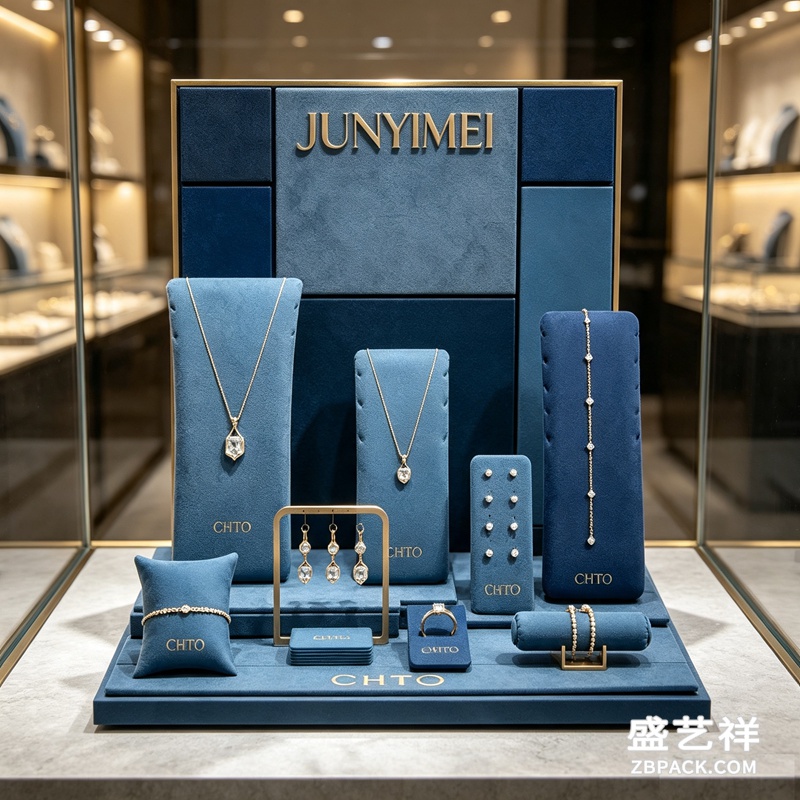
①定品牌定位:年轻客群重真实与可持续,选 FSC 认证纸质;成熟客群爱经典手感,可上超纤或皮纹。②看防护需求:易碎或长途电商用 1200gsm 灰板加瓦楞,内衬公差小于 0.2mm 防刮。③控预算:纸质 2–5 美元打底,植绒、皮酌情加。④小批量打样验证:先做样盒,把玩开合、看色差(Pantone 对齐)、查 OEKO-TEX 与 REACH 合规。盛艺祥作为珠宝盒工厂,支持柔性小批量珠宝盒定制与首饰盒批发,首样即定标准。回报有据:采用优质硬盒的品牌,复购率较普通包装高 42.6%、客户终身价值高 31.2%(Dataintelo)。珠宝陈列道具与珠宝摆台也应与盒体同语言——材质、底色、铭牌一致,门店才像一家"讲究"的店。
本文为原创内容,版权归盛艺祥所有。如需转载请注明出处。
盛艺祥(Shengyixiang)——高端珠宝包装设计与定制专家,为品牌护航。
Pick up a jewelry box and a customer touches the material before reading a word. The right material quietly does more selling than any logo. Here are six real questions, answered.
Q1: What actually matters first when choosing a box material?
Most buyers treat material as a cost line, but it is, as one packaging house puts it, "the soul of packaging." In 2025, paperboard commanded about 60% of the global luxury box market (PW Consulting), with wood ~20%, metal ~13%, and leather-plus-velvet combined at just ~6.7%. Paper dominates—yet it is far from "cheap." Oxford's Crossmodal Research Laboratory found in 2023 that touch is the single most influential sense in luxury assessment—more than sight or sound—and identical products in fabric-wrapped packaging were rated 27% more premium than in rigid paperboard. Material literally sets the perceived value of the jewel inside. At Shengyixiang, our jewelry packaging design always starts by fixing the material language before the shape.
Q2: When is paperboard the right call?
Paperboard's 60% share comes from being the all-rounder. It takes embossing, foil stamping, and matte lamination; a 1200gsm greyboard gives the reassuring heft that signals protection. Thin, light boxes read as inexpensive—substance is perceived value. Better still, paper now mimics premium textures: Stora Enso's Ensovelvet is an uncoated SBS board with a velvet-smooth, recyclable surface, and soft-touch lamination gives paper a suede hand feel. For e-commerce, corrugated board holds 31.4% of the luxury rigid market precisely because it survives shipping. Bottom line: for most jewelry—especially brands shipping online or claiming sustainability—paper plus a tactile finish is the smart first choice. Our accessory boxes and jewelry cases are mostly paper-based for this reason.
Q3: Is velvet worth the upgrade?
Yes—in the right place. Bain & Company's 2025 report notes that 68% of luxury brands have added or expanded textile-wrapped packaging since 2022; velvet has moved from accent to lead. The Luxury Institute's 2024 perception survey is specific: velvet scored 34% higher on perceived product value and 41% higher on "giftworthiness" than soft-touch laminate, with unmatched color depth. But it costs: +30–50g per unit, vulnerability to crushing and water spots, a minimum 2.5mm greyboard substrate (2mm looks cheap), and a $4.5–15 unit cost versus $2–5 for a printed rigid box. Use velvet for high-margin singles, limited editions, and engagement rings; skip it for volume everyday pieces.
Q4: How should leather / PU be positioned?
Leather and velvet together were only ~6.7% of the 2025 market—they sell status, not volume. The Macallan ships collector expressions in wooden-and-leather cases with silver engraving, pinning leather to "heritage and collectibility." In jewelry, genuine or microsuede leather suits high-jewelry and men's watch sets: understated, durable, better with age. On a budget, "leather-grain paper" simulates the feel at a fraction of the cost. Shengyixiang's jewelry box customization typically reserves leather for flagship and anniversary pieces, while daily ranges use paper plus tactile film.
Q5: Minimalist packaging wins favor—how does that show in material?
This is the most overlooked "subtraction" in material choice. Many shopkeepers assume "more is pricier"—velvet over leather over metal—yet the result looks busy and cheap. The brain works by haptic transfer: one genuinely quality surface outperforms three mediocre ones. So high-end minimalism in material means choosing one right material and doing it supremely, not stacking materials. Spend the budget on invisible solidity—board thickness, fold tolerance, magnetic damping—then add a single restrained fabric note (one soft-touch film, a small velvet insert). That reads richer than maximal layering, and it aligns with sustainability: one fewer layer is one less waste stream—and 75% of consumers lean toward brands that show it. Shengyixiang's jewelry packaging design language has always been "less, but better."
Q6: Four steps to choose well and avoid surprises at acceptance
1) Fix positioning: younger buyers value authenticity and sustainability—choose FSC-certified paper; mature buyers love classic hand-feel—opt for microsuede or leather-grain. 2) Match protection: fragile or shipped pieces need 1200gsm greyboard plus corrugated, with insert tolerance under 0.2mm to prevent scratches. 3) Control budget: paper at $2–5 base, velvet/leather as justified upgrades. 4) Prototype in small batches: make a sample, test the open/close, check Pantone color match, and verify OEKO-TEX / REACH compliance. Shengyixiang, as a jewelry box factory, supports flexible small-batch jewelry box customization and wholesale, where the first sample sets the standard. The payoff is measurable: brands using premium rigid boxes report 42.6% higher repurchase and 31.2% higher customer lifetime value (Dataintelo). And keep your jewelry display props and display plinths in the same material language—matching substrates, base tones, and nameplates make the store feel like one deliberate, premium house.
A quick rule of thumb
If you remember nothing else: paper is the safe, sustainable default for 80% of jewelry; reserve velvet and leather for the 20% of pieces where the unboxing moment is the product—limited editions, engagement rings, heritage collections. Velvet wins on perceived value and giftworthiness; leather wins on heritage and longevity; paper wins on versatility, cost, and conscience. Choose one material to do beautifully rather than three to do halfway, and the box will sell the jewel before the customer even looks inside.
This is original content. Copyright belongs to Shengyixiang.
Shengyixiang — your expert in high-end jewelry packaging design & customization.