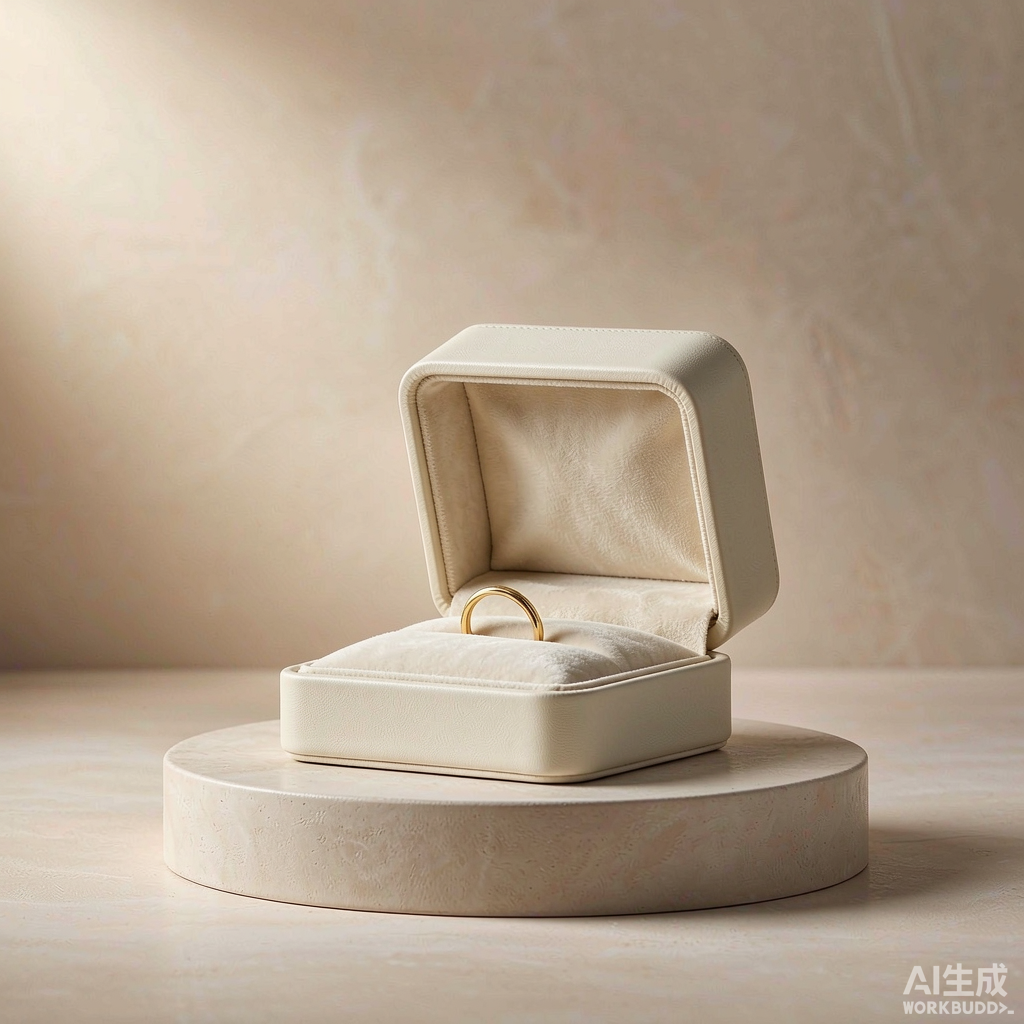
绿色包装成标配 Why Eco-Friendly Jewelry Packaging Is the New Standard
问一:为什么环保包装突然成了珠宝品牌的"必答题"?
几年前,"环保"在珠宝包装里还是加分项;到 2026 年,它已经成了绕不开的底线。中国包装联合会最新报告显示,高端珠宝包装市场的年复合增长率已连续三年保持在 15% 以上,而驱动增长的头号关键词正是"可持续性"。更关键的是人的变化:超过 70% 的 Z 世代与千禧一代消费者明确表示,愿意为采用环保包装的品牌支付溢价;国际调研亦指出,81% 的珠宝买家在选购时会把包装是否可持续纳入考量。需求一侧的信号已经足够清晰,供给一侧也在跟上——具备 FSC 认证纸张、再生纸浆模塑、可生物降解植物基塑料等加工能力的工厂,2025—2026 年订单量增长了近 40%。对珠宝品牌而言,环保包装不再是"要不要做"的选择题,而是"怎么做才像样"的必答题。
问二:哪些材料算"真环保",哪些只是营销话术?
判断环保包装,先看材料是否可溯源、可循环、可降解,再看有没有第三方认证背书。纸基端最稳妥的是 FSC 认证纸张与再生纸浆模塑,从源头杜绝毁林;内衬端,GRS 认证的再生涤纶植绒(rPET velvet)由回收塑料瓶再生而来,手感、色泽与原生植绒几乎无异,却带上了可追溯的回收含量。真正前沿的是菌丝体(mycelium)材料——以农业废料培育、可工业堆肥、减震性能接近 EPS 泡沫,全球菌丝体包装市场 2025 年约 28 亿美元,预计到 2033 年增至约 111 亿美元,年复合增长率接近 19%,已有意大利奢侈品牌把它用于限量系列。需要警惕的是"绿色洗白":只写"环保""天然"却没有 FSC、GRS、GOTS、OEKO-TEX 等编号认证,多半是话术而非事实。
问三:高端简约更容易被顾客青睐——环保和简约为何是同一条路?
老板常强调,高端简约的珠宝首饰品包装设计更容易被顾客青睐,而环保恰恰把"简约"推到了极致。数据也站在这一边:约 61% 的消费者偏好更精简的包装设计,把"少一层、小一圈、轻一点"视为负责任的体现。当包装不再靠堆料显贵,而是靠结构、触感与品牌色说话,材料用量自然下降,运输体积与碳排也随之减少——环保与高级感在这里是同一条路,而非取舍。盛艺祥在珠宝包装设计上坚持"少而精":用克制的线条、单一的品牌色和恰到好处的磁吸阻尼,替代繁复的装饰与多层胶合,既降低了材料浪费,也把预算集中到了顾客指尖能感知的品质上。
问四:环保包装会不会显得"不够贵"?
这是很多高端品牌最初的顾虑,但数据给出了相反的答案。一项 2025 年消费者调研显示,73% 的消费者愿意为真正践行可持续的品牌多付钱;转型可持续包装的品牌,在消费者研究中品牌好感度平均提升 12%—18%,且 25—40 岁人群的转化改善最为明显。麦肯锡的研究更直接:可持续资质强的奢侈品牌,客户忠诚度高出 1.5 倍,在 25—40 岁人群中增速快 30%。材料端也早已不是"糙"的代名词——rPET 植绒可媲美原生绒,竹皮与软木饰面带来天然质感,菌丝体本身就有高级的有机肌理。换言之,环保包装完全可以既"绿"又"贵气",前提是质感与认证都站得住。
问五:珠宝陈列道具怎么跟上这股环保叙事?
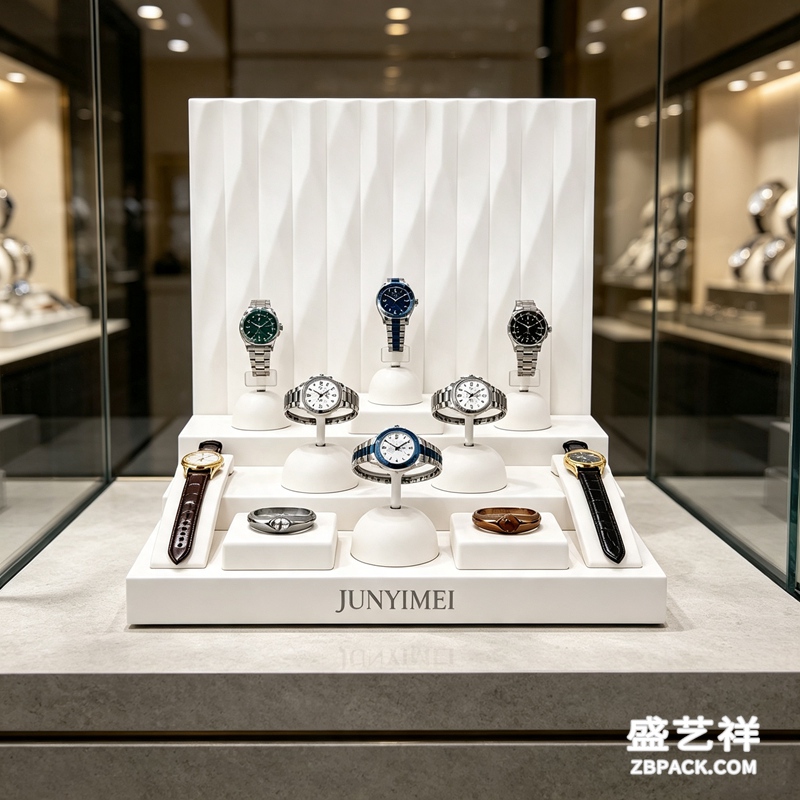
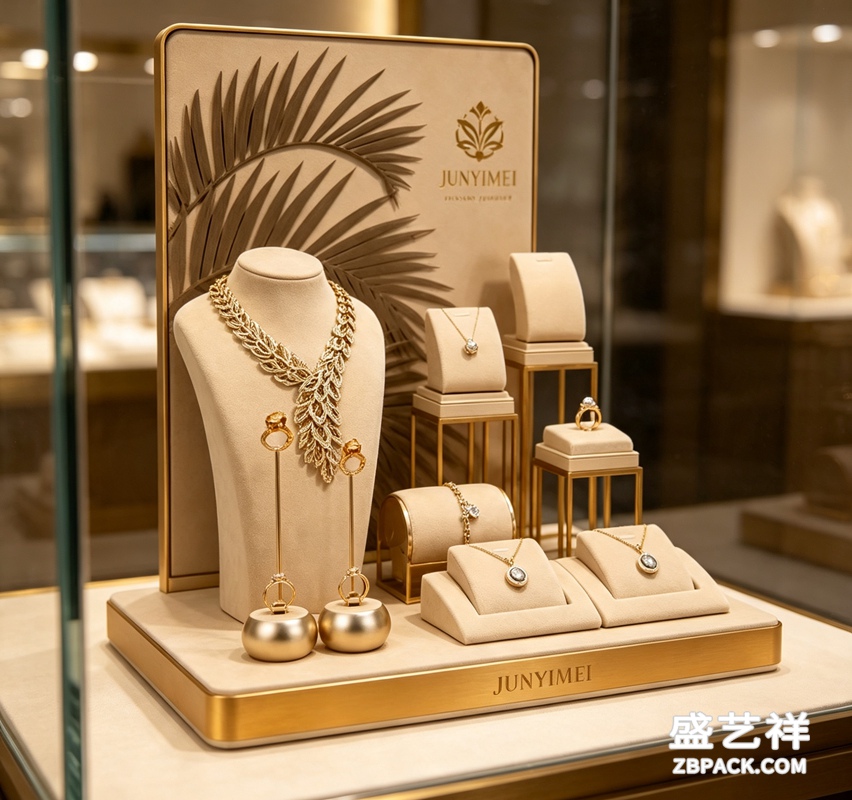
包装在盒子里,叙事却从柜台开始。如果一只戒指盒用了 FSC 纸张,旁边的珠宝陈列道具却还是高污染材质,故事就断了。更聪明的做法是让道具与包装讲同一套语言:背板改用再生毛毡、展示托用可回收亚克力或 FSC 认证木座、可降解的展示卡替代塑料立牌;珠宝摆台与陈列道具统一到再生材料与低饱和品牌色上,顾客从看到、试戴到带走的每一步都接收到一致的可持续信号。研究还显示,陈列道具的组合优化能带来 18%—30% 的互动单量提升,环保叙事叠加专业陈列,往往是 1+1 大于 2 的效果。
问六:小品牌怎么低成本起步,又怎么验收不踩坑?
环保包装不必一步到位,分阶推进最稳。第一阶段,所有新订单直接指定 FSC 认证纸与纸板,几乎不增加开模成本;第二阶段,把常规植绒替换成 GRS 认证再生涤纶绒,顺手备好认证文件应对出口合规;第三阶段,才在官网与包装插页上把可持续承诺讲清楚,并引用具体认证编号。验收时只认硬指标:FSC chain of custody 证书编号、GRS 交易记录、OEKO-TEX 检测报告,而不是一句"环保"。盛艺祥作为珠宝盒工厂,支持柔性小批量打样,让中小品牌先用几百只验证质感再放大——这既控制了试错成本,也让"绿色"从口号变成可被查验的交付物。环保包装的尽头,不是少花钱,而是把每一分预算花在顾客看得见、监管认得出、地球减得下的地方。
本文为原创内容,版权归盛艺祥所有。如需转载请注明出处。
盛艺祥(Shengyixiang)——高端珠宝包装设计与定制专家,为品牌护航。
Q1: Why has sustainable packaging suddenly become non-negotiable for jewelry brands?
A few years ago, eco-friendly was a nice-to-have in jewelry packaging. By 2026 it is a baseline expectation. The China Packaging Federation reports that the high-end jewelry packaging market has held a CAGR above 15% for three consecutive years, and the single biggest growth driver is sustainability. The demand signal is even clearer among people: over 70% of Gen Z and Millennial consumers say they will pay a premium for brands that use responsible packaging, and international research puts the share of jewelry buyers who factor sustainability into their purchase at 81%. Supply is catching up too — factories with certified capabilities, from FSC paper to molded recycled pulp and bio-based plastics, saw order volumes rise nearly 40% across 2025 to 2026. For any jewelry brand, the question is no longer whether to act, but how well.
Q2: Which materials are genuinely green, and which are just greenwashing?
The test is simple: is the material traceable, recyclable, or compostable, and does it carry third-party certification? On the paper side, FSC-certified stock and molded recycled pulp are the safest bets. For linings, GRS-certified recycled polyester velvet, or rPET velvet, is made from reclaimed bottles and is virtually indistinguishable from virgin velvet in feel and color, yet carries documented recycled content. At the frontier, mycelium composites, grown on agricultural waste and industrially compostable with cushioning close to EPS foam, are already used by Italian luxury houses for limited editions; the global mycelium packaging market was about USD 2.8 billion in 2025 and is projected to reach roughly USD 11.1 billion by 2033 at close to 19% CAGR. Watch out for greenwashing: vague claims like eco or natural without an FSC, GRS, GOTS, or OEKO-TEX certificate number are marketing, not fact.
Q3: Premium minimalism wins customers, and sustainability walks the same road
The owner's view is that high-end, minimalist jewelry packaging design is more favored by customers, and sustainability pushes minimal to its logical extreme. The data agrees: about 61% of consumers prefer simpler packaging, reading one layer less, a size smaller, a bit lighter as responsibility. When packaging stops proving its worth through excess material and instead speaks through structure, touch, and brand color, material use drops and so do shipping volume and carbon emissions. Eco and luxury become the same path, not a trade-off. Shengyixiang applies a less but finer philosophy in jewelry packaging design: restrained lines, a single brand color, and well-tuned magnetic closure replace heavy ornament and multi-layer gluing, cutting waste while concentrating budget on quality the customer can actually feel.
Q4: Won't eco packaging look not expensive enough?
This is the first fear of many luxury brands, but the numbers say the opposite. A 2025 consumer study found 73% of shoppers will pay more for brands that genuinely practice sustainability; brands that switch to certified sustainable packaging report a 12% to 18% lift in brand perception, with the strongest conversion gains among 25 to 40 year-olds. McKinsey is blunter: luxury brands with strong sustainability credentials earn 1.5x higher loyalty and grow 30% faster in the 25 to 40 cohort. Material science has also closed the gap. rPET velvet rivals virgin, bamboo and cork veneers bring natural texture, and mycelium has an inherently premium organic grain. Green and luxurious are no longer opposites, provided the quality and the certification both hold up.
Q5: How should display props join the sustainability story?
Packaging lives in the box, but the story starts at the counter. If a ring box uses FSC paper while the prop beside it is high-impact plastic, the narrative breaks. The smarter move is one consistent language across props and packaging: backboards in recycled felt, stands in recyclable acrylic or FSC-certified wood, and degradable display cards instead of plastic easels. Jewelry display props and showcase plinths unified in recycled materials and low-saturation brand colors send one coherent signal from first glance to takeaway. Research also shows well-combined display props can lift interaction and units sold by 18% to 30%. Pair a sustainability story with professional merchandising and the effect compounds.
Q6: How can smaller brands start cheaply, and how do you verify it?
Sustainability need not be all-or-nothing; phase it. Phase one: specify FSC-certified paper and board on every new order at almost no tooling cost. Phase two: swap standard velvet for GRS-certified recycled polyester velvet and secure the certification files for export compliance. Phase three: tell the story on your site and insert cards, citing specific certificate numbers. For acceptance, trust only hard evidence, FSC chain-of-custody numbers, GRS transaction records, OEKO-TEX test reports, not a slogan. Shengyixiang, as a jewelry box factory, supports flexible low-volume sampling so smaller brands can validate the feel with a few hundred units before scaling. The point of green packaging is not to spend less, but to spend where customers see it, regulators accept it, and the planet actually benefits.
This is original content. Copyright belongs to Shengyixiang.
Shengyixiang — your expert in high-end jewelry packaging design & customization.