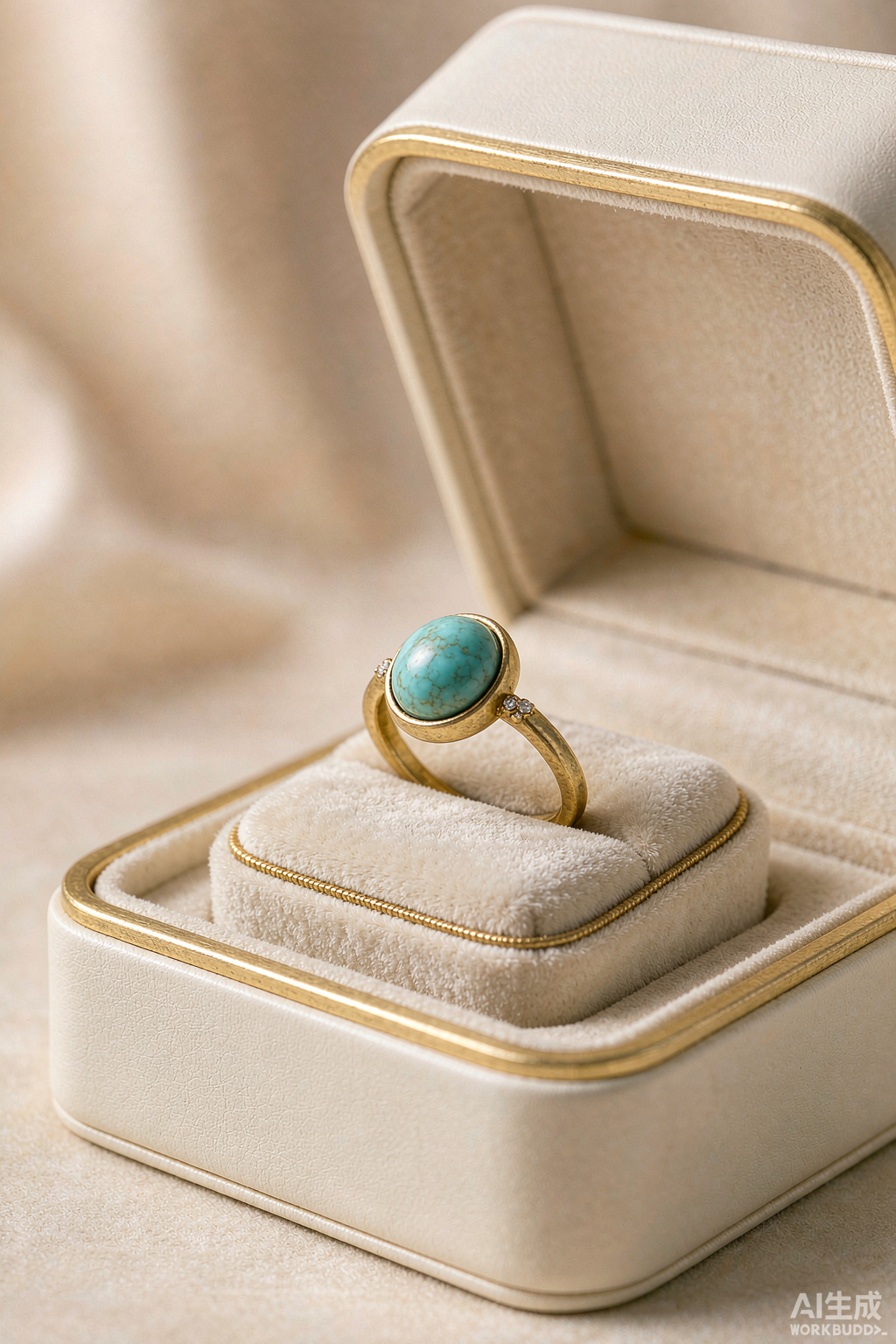
绿松石成新晋高珠 Why Turquoise Is the Blue Gem of 2026
一种被低估的蓝,正登上高珠舞台
如果盘点 2026 年高级珠宝圈最出人意料的逆袭,绿松石一定榜上有名。这种长期被钉在波西米亚、旅游纪念品、美国西南部银饰标签上的不透明蓝绿色宝石,正在被顶级珠宝世家与红毯明星重新打量。它不是今年才出现,却在这一季完成了从配角到主角的身份转换——从度假感的串珠,变成了高级珠宝橱窗里与钻石、祖母绿并列的色彩权力符号。
变化的信号来自两端。一端是红毯:2026 年 5 月 17 日拉斯维加斯举办的 ACM 美国乡村音乐颁奖礼上,绿松石几乎承包了整条红毯——从乡村歌手的绿松石领带、宽檐帽下的绿松石胸针,到礼服上叠戴的绿松石戒指与手链,被时尚媒体称为 2016 年波西米亚华丽风的当代回潮。另一端是高级珠宝工坊:Dior 在威尼斯发布的 Diorissima 高珠系列,把无瑕绿松石双凸弧面与珊瑚、孔雀石并置,当作刻意的色彩宣言;Van Cleef & Arpels 的 Perlée 与 Alhambra 延伸线使用无蛛网纹的矩阵纯净绿松石;Bvlgari 更在一件高珠项链上密镶 77 颗抛光绿松石珠,以缟玛瑙与钻石反衬其饱和度。连 Sylvester Stallone 都被拍到佩戴搭载整块绿松石表盘的 Rolex Daytona Turquoise 特别款。
稀缺性重写了一张旧价目表
绿松石的贵,首先是一张供应清单写出来的。全球最负盛名的睡美人 Sleeping Beauty 矿位于美国亚利桑那州,因土地被优先用于采铜,已于 2012 年关停。真正的、未经处理的睡美人绿松石如今一卡难求,2026 年批发到零售口径下,天然无处理者每克拉约 25 至 60 美元以上,成为极简黄金戒托里最安静也最昂贵的身份注脚。与之相对的金曼 Kingman 矿以蛛网状铁质矩阵闻名,经 Zachery 处理(一种用硅酸钾渗透增硬、不引入树脂与染料的工艺)后每克拉约 8 至 18 美元;内华达 Royston 矿则产出绿蓝双色的环氧树脂稳定石,每克拉 3 至 7 美元。
需求的弹性同样惊人。据 JCK 行业媒体援引的市场分析,2026 年消费者对产地可追溯的不透明半宝石的需求同比增长超过 34%,而在这一波里,合乎伦理来源的绿松石领涨。这背后是一种被业内称为不完美的奢侈 imperfect luxury 的心理迁移:比起钻石那种完美无瑕的均质,高等级绿松石提供的是一块地质指纹——亚利桑那含铜的知更鸟蛋蓝,内华达含铁调的森林绿,每一块都不可复制。现代藏家把它们当可佩戴的矿物标本来对待。
从显贵到显己,一块石头连接自然
为什么是现在?珠宝的价值坐标这几年持续从显贵迁向显己。当年轻人把佩戴理解为我是谁的表达而非我多有钱的宣告,绿松石那种 raw、organic、带着大地体温的质感,恰好接住了这股情绪。它不耀眼、不咄咄逼人,却能在亚麻衬衫与结构感晚装之间都站得住脚。时尚评论把它概括为 desert luxe 沙漠奢华与 elevated bohemian 进阶波西米亚——一种把西南 heritage 工艺与当代轻盈廓形缝合的审美。
更深的动能是慢珠宝 slow jewelry 的回潮。买家开始拒绝十打一次性的快时尚配饰,转而偏好一件来源清楚、工艺扎实、能传给下一代的绿松石作品。Gwyneth Paltrow 在 2026 年颁奖礼上佩戴 1930 年代 Belperron 绿松石珐琅耳环,正是这种带着历史重力、却极其现代的注脚;菲律宾时尚偶像 Heart Evangelista 更直接推出个人品牌 Heart Jewels,以定制睡美人绿松石套链引爆讨论。当一块石头能承载家族、地域与手艺的三重叙事,它的价值就不再只由克拉数定义。
呈现端:不透明的石头,挑剔的光
绿松石对怎么被看见相当挑剔。它是不透明的,冷白光下会发灰、失神;只有 2700 至 3000K 的暖光、且显色指数 CRI 大于 90 时,那抹知更鸟蛋蓝才会真正醒过来。底色也很关键——纯黑绒布会吃掉它的层次,浅沙、燕麦或浅灰的托底才能把它托住。这意味着,从柜台到包装,绿松石比钻石更需要一套克制而懂行的呈现语言。
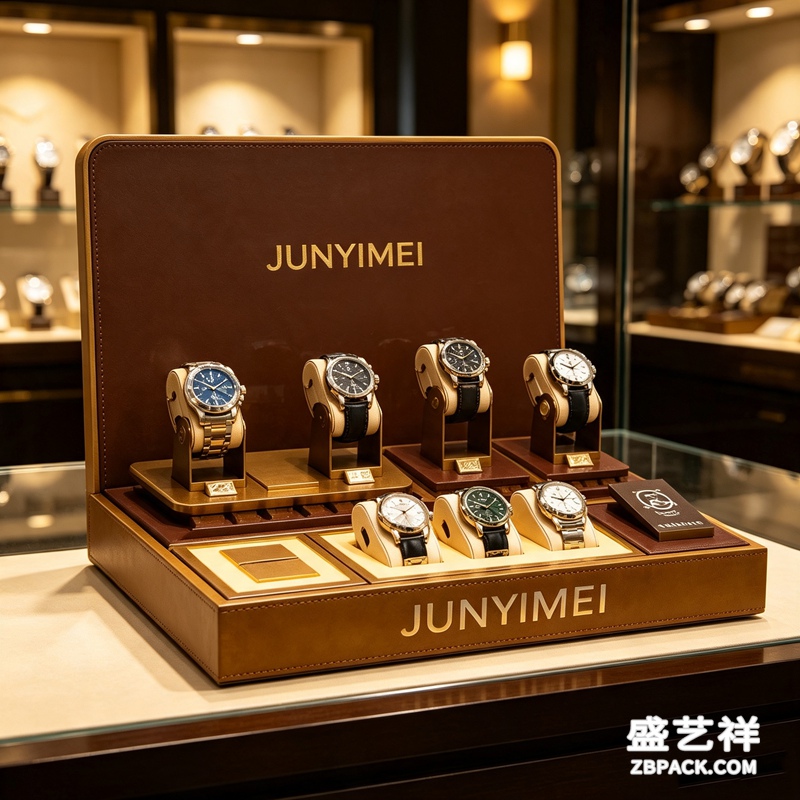
这恰恰是包装与陈列可以发力之处。珠宝陈列道具与珠宝摆台应当用暖光与天然材质(原木、未漂白棉麻、哑光金属)为底,把绿松石当成矿物而非炫光宝石来对待;首饰盒的内衬不妨用哑光绒布或原色牛皮纸,衬托矿石本身的粗粝与温度,而非用高反光材质与它抢戏。更关键的是一块石头的故事——在珠宝包装设计里放入一张溯源卡与养护说明(绿松石多孔、忌油忌水,需与香水、汗液隔离),把产地、处理、养护讲清楚,这既是信任门槛,也是品牌叙事的载体。盛艺祥一直以少而精的克制美学著称,把这种矿物标本式的呈现从盒体延伸到整条交付动线,恰好与绿松石当下的气质同频。
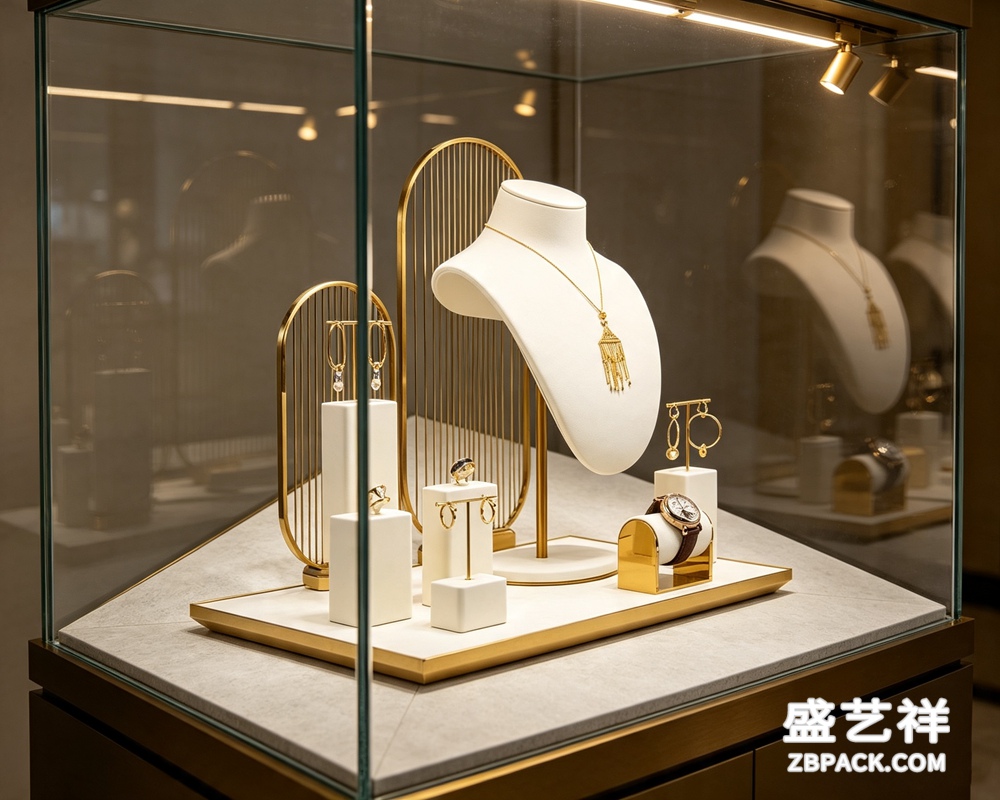
对品牌而言,绿松石的回潮也是一次供应链与叙事的练兵。一块矿已关停的石头,倒逼珠宝盒工厂把小批量柔性打样、饰品包装盒的哑光质感、可封缄写号的首饰袋都纳入同一套交付标准;当消费者愿意为一颗不完美的石头付溢价,他们同样愿意为一份懂它的包装付溢价。盛艺祥的少而精,正落在这个节点上。
本文为原创内容,版权归盛艺祥所有。如需转载请注明出处。
盛艺祥(Shengyixiang)——高端珠宝包装设计与定制专家,为品牌护航。
A Blue Gem Everyone Underestimated
If there is one unexpected comeback in fine jewelry this year, turquoise would be near the top of the list. For decades the opaque blue-green stone was boxed into narrow stereotypes — bohemian, souvenir, Southwestern silver, festival costume. In 2026 it is being re-read by the most prestigious jewelry houses and red-carpet stylists as something else entirely: a color power move that now sits beside diamonds and emeralds in the high-jewelry window.
The signal comes from two ends. On the carpet, the 2026 Academy of Country Music Awards in Las Vegas (May 17) turned into a turquoise takeover — singers in turquoise neckties, wide-brim hats pinned with turquoise brooches, gowns layered with turquoise rings and bracelets, widely read as a contemporary revival of 2016's boho glamour. On the atelier side, Dior's Venice-presented Diorissima high-jewelry collection places flawless turquoise doublets alongside coral and malachite as a deliberate chromatic statement; Van Cleef & Arpels extends its Perlée and Alhambra lines with matrix-free turquoise; Bvlgari set a single high-jewelry necklace with 77 polished turquoise beads against onyx and diamonds. Even Sylvester Stallone was spotted wearing a Rolex Daytona Turquoise with a solid stone dial.
Scarcity Rewrote an Old Price List
The stone's new prestige is, first, a supply story. The celebrated Sleeping Beauty mine in Arizona closed in 2012 when the land was prioritized for copper mining. Genuine, untreated Sleeping Beauty turquoise is now scarce enough that 2026 wholesale-to-retail pricing runs roughly 25 to 60-plus US dollars per carat for natural, untreated cabochons — the quietest yet most expensive anchor in a minimal gold setting. By contrast, Arizona's Kingman mine, famous for its spiderweb iron matrix, sells for about 8 to 18 dollars per carat after the Zachery treatment, a potassium-silicate process that hardens the stone without resin or dye; Nevada's Royston district yields green-blue epoxy-stabilized material at 3 to 7 dollars per carat.
Demand is just as elastic. Citing market analyses reported by JCK, consumer demand for opaque, traceable semi-precious stones surged more than 34 percent in 2026, with ethically sourced turquoise leading the charge. Behind this is a shift the trade calls imperfect luxury: rather than the uniform flawlessness of a diamond, top-grade turquoise offers a geological fingerprint — Arizona's copper-rich robin's-egg blue, Nevada's iron-laced forest green — each piece irreplaceable. Modern collectors treat these necklaces as wearable mineralogical artifacts.
From Status to Self: A Stone That Connects to Nature
Why now? Jewelry's value coordinates have been drifting from displaying wealth toward expressing identity. As younger buyers read wearing as a statement of who they are rather than how much they earn, turquoise's raw, organic, earth-warm texture lands perfectly. It is not dazzling or aggressive, yet it holds its own between linen shirts and structured eveningwear. Stylists sum it up as desert luxe and elevated bohemian — an aesthetic that stitches Southwestern heritage craft to contemporary, lightweight silhouettes.
The deeper current is the return of slow jewelry. Buyers are rejecting a dozen disposable fast-fashion accessories in favor of one piece with clear provenance, solid craft, and heirloom potential. Gwyneth Paltrow wearing 1930s Belperron turquoise-and-enamel earrings at a 2026 awards show is exactly this historical gravity, utterly modern note; Philippine style icon Heart Evangelista went further, launching her own Heart Jewels line built around a custom Sleeping Beauty turquoise collar. When a stone carries family, region, and craft in one object, its value is no longer defined by carat weight alone.
On the Display Side: An Opaque Stone Is Picky About Light
Turquoise is demanding about how it is seen. Being opaque, it goes flat and grey under cool white light; only warm 2700 to 3000K illumination with a color-rendering index above 90 brings the robin's-egg blue alive. Base tone matters too — pure black velvet eats its layers, while pale sand, oat, or light-grey backing holds it. That means, from the case to the box, turquoise needs a more restrained, knowledgeable presentation language than a diamond does.
This is precisely where packaging and display earn their keep. Jewelry display props and jewelry display stands should use warm light and natural materials — raw wood, unbleached cotton-linen, brushed metal — treating turquoise as a mineral rather than a sparkle. Jewelry boxes can line their interiors with matte velvet or natural kraft to echo the stone's grit and warmth instead of competing with it through high-reflective surfaces. The real lever is the story of one stone: a provenance card and care note inside the jewelry packaging design — turquoise is porous, oil- and water-averse, to be kept from perfume and sweat — that lays out origin, treatment, and care. That is both a trust threshold and a branding vehicle. Shengyixiang, known for a restrained less-but-finer aesthetic, extends exactly this mineral-specimen sensibility from the box across the whole delivery journey, in tune with turquoise's moment.
For brands, turquoise's comeback is also a rehearsal in supply chain and narrative. A stone from a closed mine pushes the jewelry box factory toward small-batch flexible sampling, matte-finish jewelry boxes, and sealable numbered jewelry pouches under one delivery standard. It also rewards restraint: a quiet, well-made box often outsells a loud one when the hero is a single opaque cabochon. When a buyer will pay a premium for an imperfect stone with a story, they will equally pay for packaging that truly understands it. Shengyixiang's less-but-finer philosophy — minimal structure, honest materials, a clear provenance note — lands exactly on that point, turning a mineral specimen into a collectible object from the first unboxing.
This is original content. Copyright belongs to Shengyixiang.
Shengyixiang — your expert in high-end jewelry packaging design & customization.