品牌联名与限定款:首饰盒如何承载一次特别企划盛艺祥 · 行业资讯
品牌联名与限定款:首饰盒如何承载一次特别企划 When Brands Collide: How a Jewelry Box Carries a Limited Collaboration
当品牌想做一场特别企划,包装往往是第一个被想起、也最容易被做平的环节。普通款首饰盒解决的是“装得下、护得住、看得体”,而联名款或限定款要解决的,是“这一盒,凭什么让人记得住”。它承载的不是单件珠宝,而是一次合作、一个节点、一段可以分享的话题。
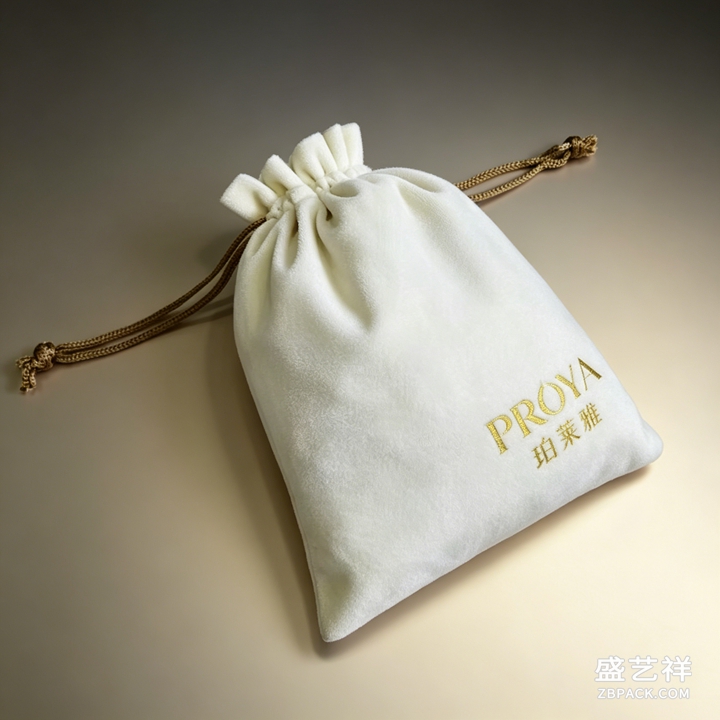 限定包装的设计,难点在于“克制里的惊喜”。联名双方都有自己的视觉资产——Logo、主色、经典纹样,全堆上去只会变成广告牌。成熟的办法是先定一个统一基调:以其中一方的品牌色打底,另一方的符号只作点睛,比如盒盖内烫印一句合作标语,或丝带用对方的代表色。信息要有主次,眼缘才干净。结构上也未必大改,很多时候在常规天地盖或翻盖盒上做局部定制——换内衬色、加一张联名卡、盒底压印联合标识——就能把“特别感”做出来,又不必重开模具、拖慢工期。
挑选联名对象本身也是设计的一部分。门当户对的调性比名气更重要:一个主打东方意境的珠宝品牌,与非遗银艺或茶器工作室联名,故事就顺;若硬蹭一个风格迥异的潮牌,盒子再花哨也难自圆其说。建议先列一张“品牌契合清单”——客群重叠度、视觉可融合度、交付节奏是否合拍,三条都过再开模具。很多翻车联名,问题不在盒子,而在开头没想清“为什么是彼此”。
限定包装的设计,难点在于“克制里的惊喜”。联名双方都有自己的视觉资产——Logo、主色、经典纹样,全堆上去只会变成广告牌。成熟的办法是先定一个统一基调:以其中一方的品牌色打底,另一方的符号只作点睛,比如盒盖内烫印一句合作标语,或丝带用对方的代表色。信息要有主次,眼缘才干净。结构上也未必大改,很多时候在常规天地盖或翻盖盒上做局部定制——换内衬色、加一张联名卡、盒底压印联合标识——就能把“特别感”做出来,又不必重开模具、拖慢工期。
挑选联名对象本身也是设计的一部分。门当户对的调性比名气更重要:一个主打东方意境的珠宝品牌,与非遗银艺或茶器工作室联名,故事就顺;若硬蹭一个风格迥异的潮牌,盒子再花哨也难自圆其说。建议先列一张“品牌契合清单”——客群重叠度、视觉可融合度、交付节奏是否合拍,三条都过再开模具。很多翻车联名,问题不在盒子,而在开头没想清“为什么是彼此”。
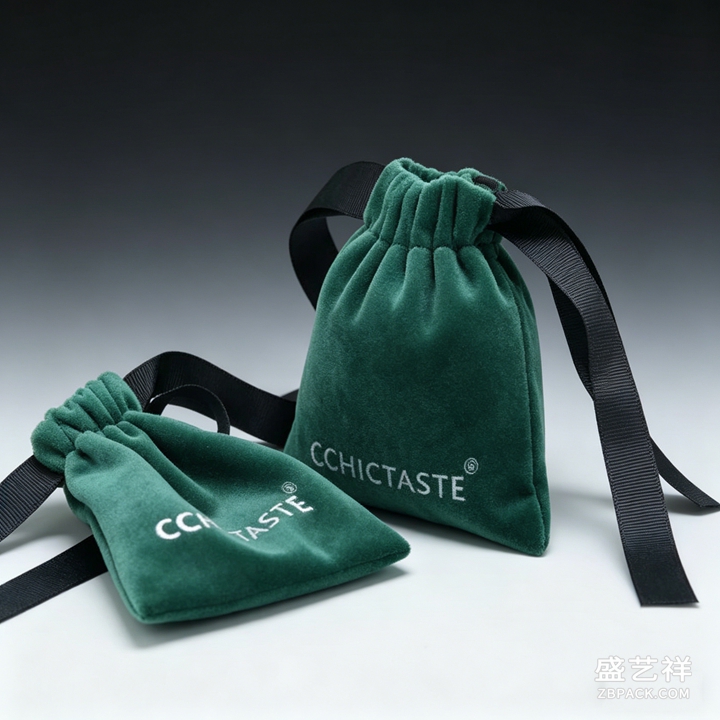 珠宝袋在限定企划里常常被低估。其实一只抽绳袋,换一条限定色织带、缝一个小标,成本增量极小,却能让整套交付多一层“拆到最后一刻仍有彩蛋”的体验。建议把袋子和盒子当作一组来设计,而不是各做各的:同色系、同字体、同一句主张,收尾才完整。
做限定包装还要想清楚“量”与“时”。限定之所以珍贵,是因为有明确边界——批次号、发售窗口、附赠凭证都在帮它保值。包装上留出这些信息的体面位置,比堆满装饰更有说服力。一次好的联名,盒子和袋子不是成本的尾巴,而是这次企划最先被拍照、最后被收存的那部分。它替品牌把“此刻”装了起来,也让顾客愿意为“此刻”多付一点。
本文为原创内容,版权归骏依美所有。如需转载请注明出处。骏依美专注珠宝盒与首饰包装定制,为品牌提供从陈列到交付的一体化方案。JunyiMei crafts jewelry packaging that carries your brand from counter to customer.
When a brand launches a special project, packaging is usually the first thing remembered and the easiest to flatten. A standard jewelry box solves 'fits, protects, looks decent'; a co-branded or limited edition must solve 'why should this box be remembered'. It carries not a single piece of jewellery but a collaboration, a moment, a shareable story.
The hard part of limited packaging is 'surprise within restraint'. Both partners bring visual assets — logos, key colours, signature motifs — and piling them all on turns the box into a billboard. The mature approach sets one unified base first: ground it in one partner's brand colour, let the other's symbol punctuate only — say a co-branded line foil-stamped inside the lid, or a ribbon in the partner's signature shade. Keep information hierarchical so the first impression stays clean. Structure need not change much; often a local customisation on a standard two-piece or hinged box — a re-lined interior, a collaboration card, a co-engraved base — delivers the 'special' without new tooling or delayed lead time.
Choosing the collaborator is itself part of the design. A matching tone matters more than fame: a jewelry house built on Eastern mood pairs naturally with heritage silver or a tea-ware studio, and the story flows; forcing a tie-in with a clashing streetwear label leaves even the finest box unconvincing. Draft a 'fit checklist' first — audience overlap, visual blend-ability, and whether delivery rhythms align — and only tool up when all three pass. Most failed collaborations break not at the box but at the start, having never answered why these two brands belong together.
The jewelry pouch is often underrated in limited projects. Yet a drawstring bag with a limited-colour weave and a small sewn tag adds almost no cost while giving the whole handover one more 'egg at the very end'. Design the pouch and box as a set, not separately: same colour family, same type, same single line — then the finish feels complete.
Limited packaging also needs clarity on 'quantity' and 'timing'. What makes it precious is a clear boundary — batch numbers, a sale window, a certificate — all helping it hold value. Leave a dignified space on the packaging for that information; it persuades more than decorative overflow. A good collaboration makes the box and pouch not the tail of cost but the part first photographed and last kept. It seals 'this moment' for the brand, and gives the customer a reason to pay a little more for 'now'.
This article is original content, copyright JunyiMei. Please credit the source if reprinted.JunyiMei focuses on jewelry box and packaging customisation, offering brands integrated solutions from display to delivery.JunyiMei crafts jewelry packaging that carries your brand from counter to customer.
珠宝袋在限定企划里常常被低估。其实一只抽绳袋,换一条限定色织带、缝一个小标,成本增量极小,却能让整套交付多一层“拆到最后一刻仍有彩蛋”的体验。建议把袋子和盒子当作一组来设计,而不是各做各的:同色系、同字体、同一句主张,收尾才完整。
做限定包装还要想清楚“量”与“时”。限定之所以珍贵,是因为有明确边界——批次号、发售窗口、附赠凭证都在帮它保值。包装上留出这些信息的体面位置,比堆满装饰更有说服力。一次好的联名,盒子和袋子不是成本的尾巴,而是这次企划最先被拍照、最后被收存的那部分。它替品牌把“此刻”装了起来,也让顾客愿意为“此刻”多付一点。
本文为原创内容,版权归骏依美所有。如需转载请注明出处。骏依美专注珠宝盒与首饰包装定制,为品牌提供从陈列到交付的一体化方案。JunyiMei crafts jewelry packaging that carries your brand from counter to customer.
When a brand launches a special project, packaging is usually the first thing remembered and the easiest to flatten. A standard jewelry box solves 'fits, protects, looks decent'; a co-branded or limited edition must solve 'why should this box be remembered'. It carries not a single piece of jewellery but a collaboration, a moment, a shareable story.
The hard part of limited packaging is 'surprise within restraint'. Both partners bring visual assets — logos, key colours, signature motifs — and piling them all on turns the box into a billboard. The mature approach sets one unified base first: ground it in one partner's brand colour, let the other's symbol punctuate only — say a co-branded line foil-stamped inside the lid, or a ribbon in the partner's signature shade. Keep information hierarchical so the first impression stays clean. Structure need not change much; often a local customisation on a standard two-piece or hinged box — a re-lined interior, a collaboration card, a co-engraved base — delivers the 'special' without new tooling or delayed lead time.
Choosing the collaborator is itself part of the design. A matching tone matters more than fame: a jewelry house built on Eastern mood pairs naturally with heritage silver or a tea-ware studio, and the story flows; forcing a tie-in with a clashing streetwear label leaves even the finest box unconvincing. Draft a 'fit checklist' first — audience overlap, visual blend-ability, and whether delivery rhythms align — and only tool up when all three pass. Most failed collaborations break not at the box but at the start, having never answered why these two brands belong together.
The jewelry pouch is often underrated in limited projects. Yet a drawstring bag with a limited-colour weave and a small sewn tag adds almost no cost while giving the whole handover one more 'egg at the very end'. Design the pouch and box as a set, not separately: same colour family, same type, same single line — then the finish feels complete.
Limited packaging also needs clarity on 'quantity' and 'timing'. What makes it precious is a clear boundary — batch numbers, a sale window, a certificate — all helping it hold value. Leave a dignified space on the packaging for that information; it persuades more than decorative overflow. A good collaboration makes the box and pouch not the tail of cost but the part first photographed and last kept. It seals 'this moment' for the brand, and gives the customer a reason to pay a little more for 'now'.
This article is original content, copyright JunyiMei. Please credit the source if reprinted.JunyiMei focuses on jewelry box and packaging customisation, offering brands integrated solutions from display to delivery.JunyiMei crafts jewelry packaging that carries your brand from counter to customer.
返回资讯列表
Back To News List
限定包装的设计,难点在于“克制里的惊喜”。联名双方都有自己的视觉资产——Logo、主色、经典纹样,全堆上去只会变成广告牌。成熟的办法是先定一个统一基调:以其中一方的品牌色打底,另一方的符号只作点睛,比如盒盖内烫印一句合作标语,或丝带用对方的代表色。信息要有主次,眼缘才干净。结构上也未必大改,很多时候在常规天地盖或翻盖盒上做局部定制——换内衬色、加一张联名卡、盒底压印联合标识——就能把“特别感”做出来,又不必重开模具、拖慢工期。
挑选联名对象本身也是设计的一部分。门当户对的调性比名气更重要:一个主打东方意境的珠宝品牌,与非遗银艺或茶器工作室联名,故事就顺;若硬蹭一个风格迥异的潮牌,盒子再花哨也难自圆其说。建议先列一张“品牌契合清单”——客群重叠度、视觉可融合度、交付节奏是否合拍,三条都过再开模具。很多翻车联名,问题不在盒子,而在开头没想清“为什么是彼此”。
珠宝袋在限定企划里常常被低估。其实一只抽绳袋,换一条限定色织带、缝一个小标,成本增量极小,却能让整套交付多一层“拆到最后一刻仍有彩蛋”的体验。建议把袋子和盒子当作一组来设计,而不是各做各的:同色系、同字体、同一句主张,收尾才完整。
做限定包装还要想清楚“量”与“时”。限定之所以珍贵,是因为有明确边界——批次号、发售窗口、附赠凭证都在帮它保值。包装上留出这些信息的体面位置,比堆满装饰更有说服力。一次好的联名,盒子和袋子不是成本的尾巴,而是这次企划最先被拍照、最后被收存的那部分。它替品牌把“此刻”装了起来,也让顾客愿意为“此刻”多付一点。
本文为原创内容,版权归骏依美所有。如需转载请注明出处。骏依美专注珠宝盒与首饰包装定制,为品牌提供从陈列到交付的一体化方案。JunyiMei crafts jewelry packaging that carries your brand from counter to customer.
When a brand launches a special project, packaging is usually the first thing remembered and the easiest to flatten. A standard jewelry box solves 'fits, protects, looks decent'; a co-branded or limited edition must solve 'why should this box be remembered'. It carries not a single piece of jewellery but a collaboration, a moment, a shareable story.
The hard part of limited packaging is 'surprise within restraint'. Both partners bring visual assets — logos, key colours, signature motifs — and piling them all on turns the box into a billboard. The mature approach sets one unified base first: ground it in one partner's brand colour, let the other's symbol punctuate only — say a co-branded line foil-stamped inside the lid, or a ribbon in the partner's signature shade. Keep information hierarchical so the first impression stays clean. Structure need not change much; often a local customisation on a standard two-piece or hinged box — a re-lined interior, a collaboration card, a co-engraved base — delivers the 'special' without new tooling or delayed lead time.
Choosing the collaborator is itself part of the design. A matching tone matters more than fame: a jewelry house built on Eastern mood pairs naturally with heritage silver or a tea-ware studio, and the story flows; forcing a tie-in with a clashing streetwear label leaves even the finest box unconvincing. Draft a 'fit checklist' first — audience overlap, visual blend-ability, and whether delivery rhythms align — and only tool up when all three pass. Most failed collaborations break not at the box but at the start, having never answered why these two brands belong together.
The jewelry pouch is often underrated in limited projects. Yet a drawstring bag with a limited-colour weave and a small sewn tag adds almost no cost while giving the whole handover one more 'egg at the very end'. Design the pouch and box as a set, not separately: same colour family, same type, same single line — then the finish feels complete.
Limited packaging also needs clarity on 'quantity' and 'timing'. What makes it precious is a clear boundary — batch numbers, a sale window, a certificate — all helping it hold value. Leave a dignified space on the packaging for that information; it persuades more than decorative overflow. A good collaboration makes the box and pouch not the tail of cost but the part first photographed and last kept. It seals 'this moment' for the brand, and gives the customer a reason to pay a little more for 'now'.
This article is original content, copyright JunyiMei. Please credit the source if reprinted.JunyiMei focuses on jewelry box and packaging customisation, offering brands integrated solutions from display to delivery.JunyiMei crafts jewelry packaging that carries your brand from counter to customer.