珍珠要住对盒子 Why Pearls Need the Right Box at Home
在所有珠宝里,珍珠大概是唯一"活过"的那一类。钻石不怕摔、黄金不怕放,珍珠却会因为你随手把它丢进首饰盒,而慢慢失去光泽。2025 年全球珍珠首饰市场规模已达 142 亿美元,预计 2034 年增至 238 亿美元(Dataintelo);淡水珍珠占其中 42.8%,亚太贡献近四成营收。当越来越多人把珍珠请回家,一个被反复问起的问题是:珍珠的包装,到底有什么不一样?下面用几组问答说清楚。
问一:珍珠凭什么需要"特殊待遇"?
答:因为它是唯一由生命孕育、且"仍在呼吸"的常见珠宝。珍珠的主要成分是碳酸钙和少量有机质,莫氏硬度只有 2.5 至 4.5,而钻石是 10、水晶是 7——也就是说,柜台里几乎所有邻居都能刮伤它。更麻烦的是,珍珠层含 2% 至 4% 的水分,长期干燥会脱水发暗甚至出现裂纹;它又怕酸,汗水、香水、化妆品里的酸性成分会侵蚀珠面。一个 142 亿美元的生意,其库存的第一道防线不是保险柜,而是包装——行业售后反馈中,珠面刮痕与失光长期位居珍珠客诉前列,其中相当比例都能追溯到收纳与包装环节。
问二:珍珠专用的首饰盒和首饰袋,应该长什么样?
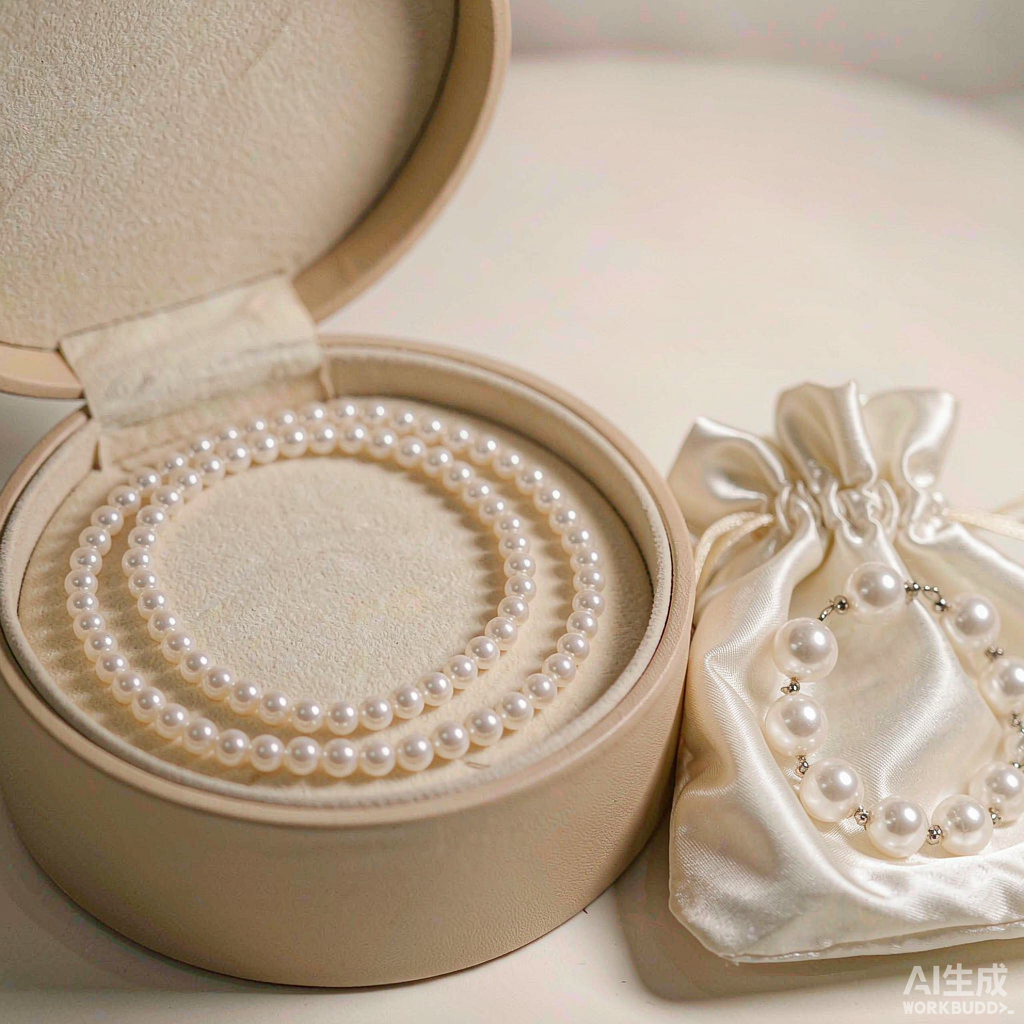
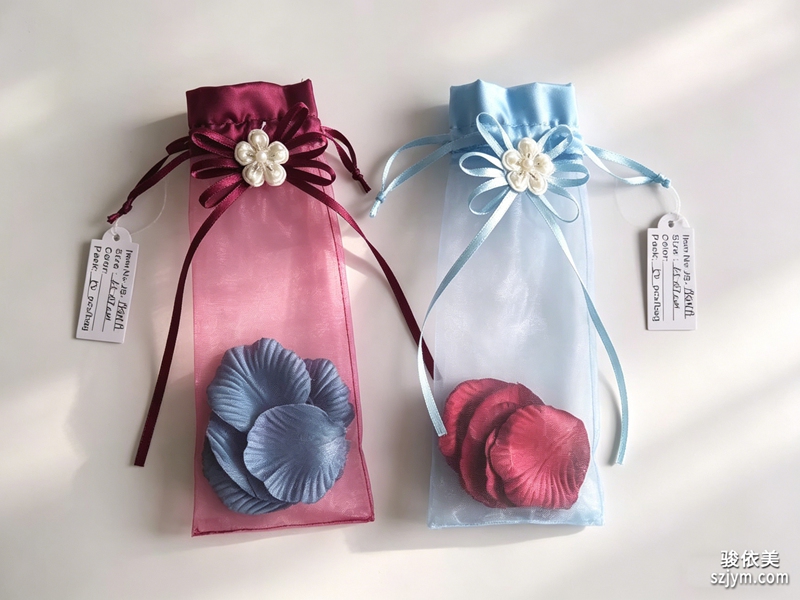
答:三个关键词:软、独立、透气。内衬首选丝绒、植绒或绸缎,每个仓位只放一件,避免珍珠互相摩擦或被金属搭扣刮花;项链务必平放收纳,悬挂会让串珠丝线持续受拉而变形。外携则用天然纤维(棉、丝)制成的首饰袋,柔软且透气。特别提醒两件事:一是不要用密封塑料袋或 PVC 内衬长期存放,闷湿环境加上塑料挥发物会让珠层变色发暗;二是避开药棉,其纤维容易钩进珠孔。
问三:存放环境有讲究吗?
答:有。理想环境是 15 至 25 摄氏度、相对湿度 40% 至 60% 的稳定空间,避开阳光直射的窗台、湿度忽高忽低的浴室和暖气出风口。另外,不要把珍珠和易氧化的金属首饰挨着放——金属硫化物会转移到珠面留下顽固色斑。日常习惯同样简单:佩戴后用软布轻轻擦净汗液与化妆品残留,晾干后再入盒;经常佩戴本身就是最好的保养,串珠项链每一到两年检查并重穿一次丝线。
问四:门店陈列珍珠时,珠宝陈列道具要注意什么?
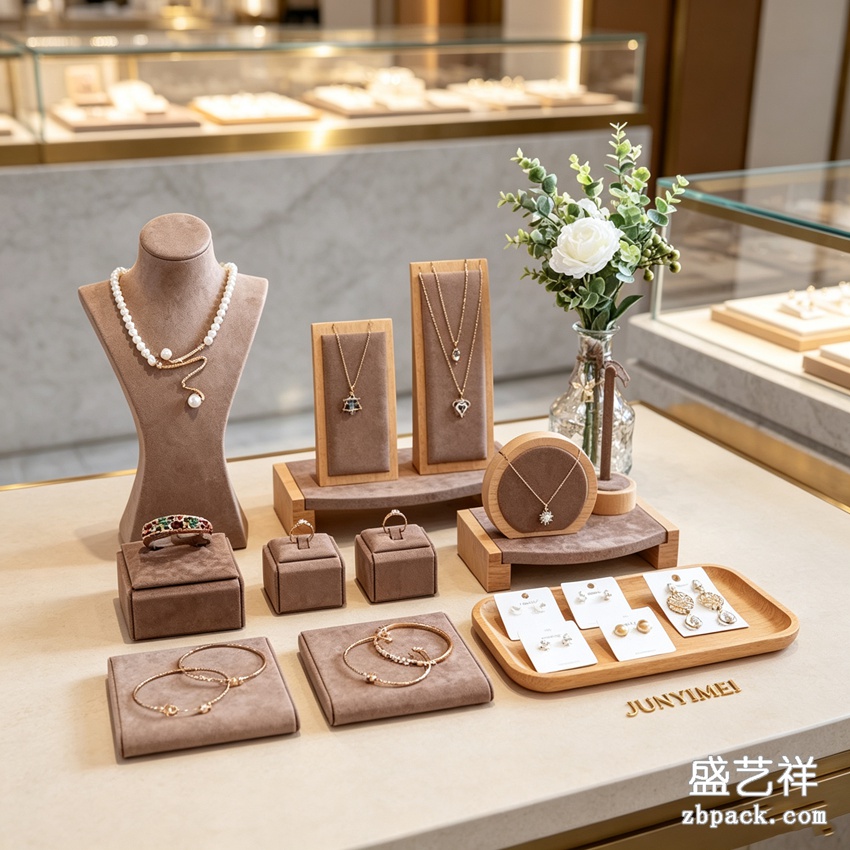
答:陈列台上的珍珠比仓库里的更脆弱。传统射灯的热量与紫外线会加速珠层脱水褪色,珍珠区应改用低热量的 LED 冷光源,并避免长时间正面直射;深色植绒珠宝摆台要确认不掉色,劣质染料会沾染珠面。珍珠之间留足间距、亚克力罩内不要长时间密闭闷放——展示的目的是让光泽说话,而不是替它"催熟"。
问五:高端简约的珍珠包装,为什么更容易被顾客青睐?
答:因为珍珠的气质本身就是温润与克制,包装做加法反而喧宾夺主。高端简约的珠宝包装设计会把视觉让给触感:素色丝绒内衬、单一主色的哑光外盒、克制的留白,开盒瞬间珍珠恰好躺在"它该在的位置"。Mikimoto 等百年珍珠品牌多年坚持的正是这种克制——好盒不被丢弃,而是留在梳妆台上,替品牌长期守着顾客的视线。对以珍珠为主力的零售商,盛艺祥的建议是:珠宝包装设计先问一句"里面是不是珍珠",再决定内衬与仓位——一只结构得当的首饰盒,就是这件商品的第一位管家。
本文为原创内容,版权归盛艺祥所有。如需转载请注明出处。
盛艺祥(Shengyixiang)——高端珠宝包装设计与定制专家,为品牌护航。
Among all gemstones, the pearl is the only one that was once alive — and, in a sense, still is. Diamonds survive drops and gold survives decades in a drawer, but a pearl can quietly lose its luster simply because it was tossed into the wrong box. The global pearl jewelry market reached 14.2 billion USD in 2025 and is projected to hit 23.8 billion USD by 2034 (Dataintelo), with freshwater pearls holding a 42.8% share and Asia Pacific contributing nearly 40% of revenue. As more consumers bring pearls home, one question keeps coming up: what makes pearl packaging so different? Here are the answers, one question at a time.
Q1: Why do pearls demand special treatment?
A: Because pearls are the only common jewelry material grown by a living creature — and still sensitive to the world around them. Composed mainly of calcium carbonate with a thin organic matrix, they score just 2.5 to 4.5 on the Mohs hardness scale, versus 10 for diamond and 7 for quartz — meaning nearly every neighbor in a display case can scratch them. Worse, the nacre contains 2% to 4% water: in overly dry conditions pearls dehydrate, dull, and can even craze. They are also vulnerable to acids in perspiration, perfume, and cosmetics. For a 14-billion-dollar business, the first line of defense for inventory is not the safe — it is the packaging.
Q2: What should a proper pearl jewelry box or pouch look like?
A: Three keywords: soft, separate, breathable. Choose interiors lined with velvet, flocked fabric, or silk satin, with one piece per compartment so pearls never rub against each other or against metal clasps. Lay necklaces flat rather than hanging them, since hanging keeps the silk thread under constant tension. For carrying, a natural-fiber jewelry pouch in cotton or silk is ideal. Two cautions: never store pearls long-term in sealed plastic bags or PVC-lined boxes, as trapped moisture and plastic off-gassing discolor the nacre; and avoid cotton wool, whose fibers catch in drill holes.
Q3: Does the storage environment really matter?
A: Yes. Aim for a stable 15–25°C space with 40–60% relative humidity, away from sunlit windowsills, steamy bathrooms, and heating vents. Keep pearls apart from tarnish-prone metals, since metal sulphides transfer onto nacre as stubborn stains. Daily habits are simple: wipe pearls gently with a soft cloth after wearing, let them air dry before boxing them back in, and remember that regular wear is itself the best care — plus a professional restring every one to two years for strands.
Q4: What should retailers watch when displaying pearls?
A: Pearls on the shop floor are even more fragile than pearls in storage. The heat and UV of traditional spotlights accelerate dehydration and fading, so pearl zones should use low-heat LED lighting and avoid long direct beams. Dark velvet display props must be colorfast — cheap dyes can stain the nacre — and jewelry display trays should leave generous spacing between pieces. Do not seal pearls under acrylic covers for extended periods: the goal of display is to let the luster speak, not to ripen it.
Q5: Why does minimalist pearl packaging win customers over?
A: Because the pearl's own character is warmth and restraint; packaging that shouts only upstages the star. High-end minimalist jewelry packaging design gives the visual stage to touch: a plain velvet lining, a matte box in a single brand color, disciplined white space — and the moment the lid opens, the pearl rests exactly where it should. It is the restraint that century-old pearl houses like Mikimoto have kept for decades. A good box is not discarded; it stays on the dressing table, guarding the brand in the customer's sightline. For retailers whose pearls drive revenue, Shengyixiang's advice is simple: jewelry packaging design should start with one question — "is there a pearl inside?" — before deciding the lining and compartments. A well-structured jewelry box is the product's first keeper.
This is original content. Copyright belongs to Shengyixiang.
Shengyixiang — your expert in high-end jewelry packaging design & customization.