
联名款包装的叙事 How Limited-Edition Collaboration Packaging Tells a Brand Story
联名与限定款包装,到底在卖什么?
很多店主的第一反应是“换个花里胡哨的盒子”。但数据给出的答案更冷静。2025 年一组限量营销统计显示,62% 的消费者表示,只要商品被标注为“limited edition(限定款)”,他们下单的可能性就更高;更有 52% 的人愿意为限定款支付溢价。更关键的是,品牌联名的搜索量能达到常规产品线的 2.5 倍——也就是说,联名与限定从第一天起就在帮品牌“免费买流量”。盛艺祥在给客户做珠宝包装设计时一直强调:限定款包装卖的是稀缺感与故事,而不是把盒子做满。一只克制的高端首饰盒,加上一个清楚的母题,往往比堆满图案更有说服力。
好的“包装叙事”长什么样?
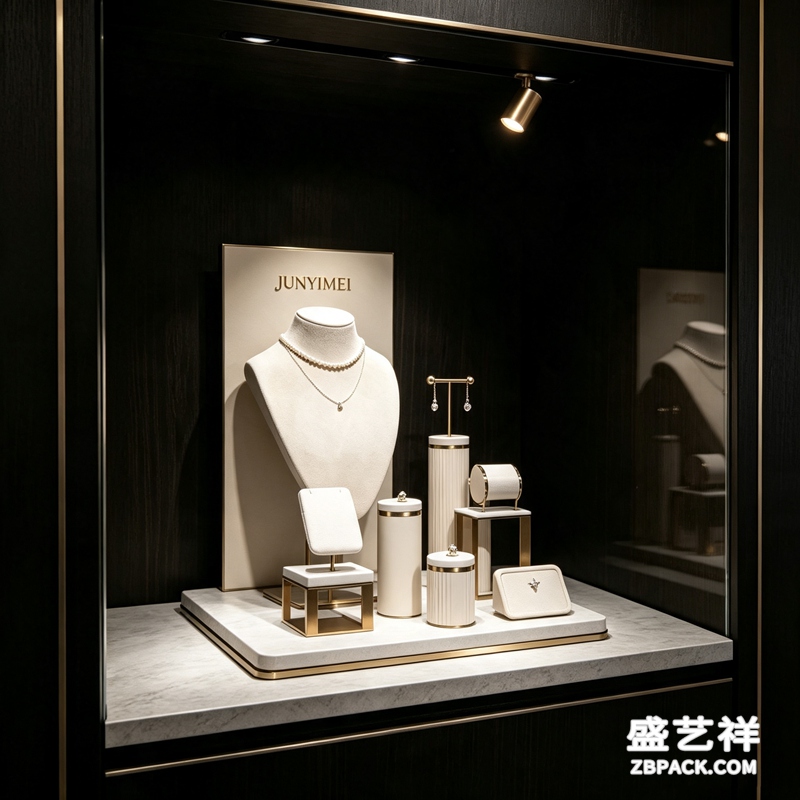
叙事不是写一段长文案,而是让盒子本身会说话。最经典的做法是“编号 + 母题 + 揭晓”。以黑胶唱片行业为例,标准唱片约 25 美元,而带编号的精装盒装套装能卖到 100–200 美元——多出来的溢价,几乎全来自“首版编号”“独家内页”这类叙事资产。落到珠宝上,一样成立:一枚“编号 037/500”的珠宝盒定制方案,会让顾客觉得手里这件不是量产货,而是有出处、可溯源的藏品。母题则是一条贯穿的视觉线索,比如某个系列的“水波纹理”,从首饰盒延伸到珠宝陈列道具,让整组产品在柜台里讲同一个故事。
包装怎么变成“会自己传播”的广告?
限定款的第二个红利是社交货币。同一组统计里,48% 的消费者会把限定款购买晒到社交平台;而限定款包装能让品牌记忆度提升 33%。这不是珠宝行业的孤例——2025 年国内饮品圈的“联名包装二手热”就很说明问题:原本随奶茶附赠的纸袋、杯套,因为热门 IP 联名,在二手平台被炒到几十甚至上百元,成了年轻人互相交换的“情怀藏品”。对珠宝品牌而言,一只设计得体、值得留存的饰品包装盒,本质上就是一位长期驻留在顾客梳妆台和朋友圈里的移动代言人。
高端简约,联名叙事也要“克制”吗?
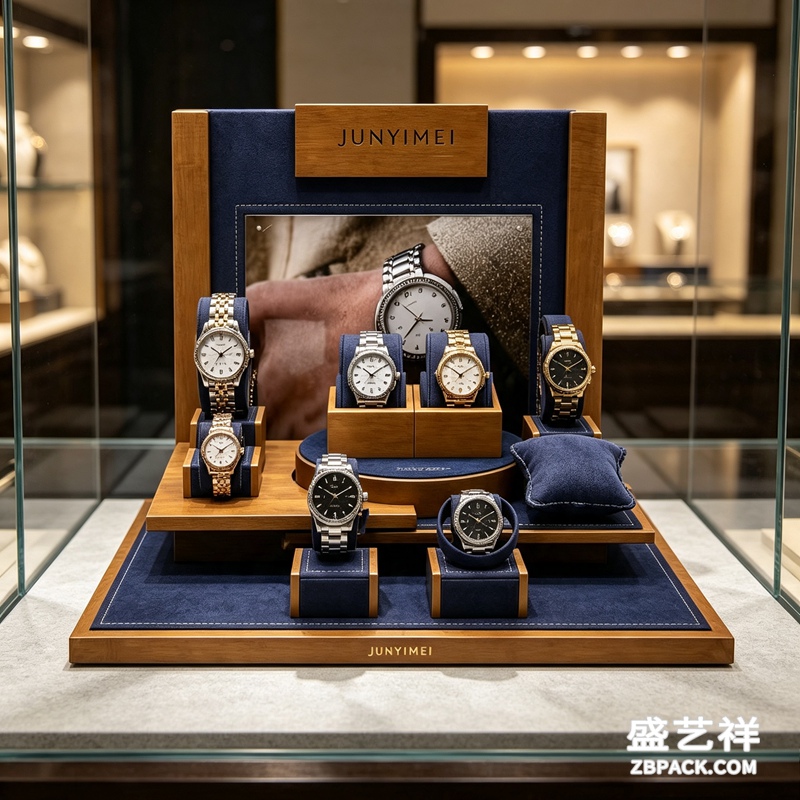
这里要补一句老板反复强调的判断:高端简约珠宝首饰品包装设计,更容易被顾客青睐。联名限定款最容易踩的坑,就是把两个品牌的标志、吉祥物、slogan 全堆上去,以为“联名感”等于“信息密度”。恰恰相反。真正的稀缺叙事靠减法——单一母题、克制配色、留白与一处点睛的工艺(比如烫印编号或局部金属质感)。盛艺祥的“少而精”美学在这里特别管用:限定款不是多做,而是做对。一只素净却有重量的盒子,比一只花哨的盒子更经得起时间,也更符合高端客群的审美。
数字层(AR / NFC / 数字证书)能为叙事加什么分?
2025 年高端包装的趋势之一,是给实体盒子叠一层“数字叙事”。通过在包装内嵌 NFC 芯片、二维码或 AR 触发,顾客扫码即可看到这件作品的创作故事、工匠访谈,甚至区块链背书的真伪证书。聪明的做法是:盒子外观依旧极简,故事藏在数字层里——既满足了年轻客群对“可分享、可验证”的期待,又不破坏盛艺祥一直坚持的克制视觉。对限量编号款尤其有用:数字证书把“037/500”从印刷字变成可验真的资产,直接抬升收藏与转手价值。
中小珠宝品牌,怎么做自己的限定叙事?
不必学大牌烧预算。三件事就能起步:第一,做“小批量 + 编号”,哪怕一次只出 200 只,也比无限量更有故事感;第二,给每款配一张“故事卡”或一句母题文案,让首饰盒和珠宝陈列道具共用一套设计语言;第三,控制成本——限定款包装的溢价来自创意而非材料堆料。盛艺祥的珠宝盒定制支持柔性小批量打样,正是为这类“慢、真、不撞款”的品牌准备的:你出母题,我们把它稳稳落进盒型、内衬与陈列节奏里,让限定款既好看、又讲得清自己的来历。
本文为原创内容,版权归盛艺祥所有。如需转载请注明出处。
盛艺祥(Shengyixiang)——高端珠宝包装设计与定制专家,为品牌护航。 When a jewelry box is stamped “No. 037/500” alongside an artist's signature, it stops selling mere containment—it sells a story people want to keep, share, and show. Limited and collaboration packaging has become the cheapest, longest-lived narrative medium a fine-jewelry brand can own.
What are collaboration and limited-edition packaging really selling?
Many store owners' first instinct is “a flashier box.” The data is cooler-headed. A 2025 set of limited-edition marketing statistics found that 62% of consumers are more likely to buy once an item is labeled “limited edition,” and 52% will pay a premium for it. Even more telling: collaborations generate 2.5x more online searches than regular lines—meaning the collab earns free discoverability from day one. At Shengyixiang we stress in jewelry packaging design that a limited edition sells scarcity and story, not a box stuffed with motifs. A restrained, premium jewelry case with one clear theme usually out-persuades a cluttered one.
What does good “packaging narrative” look like?
Narrative isn't a long paragraph—it's a box that speaks for itself. The classic formula is “numbering + motif + reveal.” In vinyl, a standard LP runs about $25, yet a numbered deluxe boxed set commands $100–$200; almost all the premium comes from story assets like “first pressing” and exclusive inserts. Jewelry works the same way: a jewelry box customization numbered “037/500” makes the piece feel sourced and collectible rather than mass-produced. The motif is one visual thread—say a “water-ripple” pattern—carried from the jewelry case into the jewelry display props, so the whole counter tells a single story.
How does packaging become an ad that spreads itself?
The second dividend of limited runs is social currency. In the same statistics, 48% of consumers post limited-edition purchases to social platforms, and limited-edition packaging lifts brand recall by 33%. This isn't unique to jewelry—China's 2025 “collaboration-packaging resale craze” is telling: free milk-tea bags and cup sleeves, once tied to hot IP collabs, were resold secondhand for tens or even hundreds of yuan, becoming tradable nostalgia collectibles. For a jewelry brand, a tasteful, keepable jewelry case is effectively a mobile spokesperson that lives on the customer's dresser and in their feed.
Does “high-end minimalism” apply to collab storytelling too?
Here is the owner's recurring point: high-end, minimalist jewelry packaging design is more favored by customers. The easiest trap in a collaboration is cramming both logos, mascots and slogans onto one box, assuming “collab feel” equals “information density.” The opposite is true. Real scarcity narrative is built by subtraction—one motif, restrained color, white space, and a single point of craft (like an embossed number or a touch of metallic foil). Shengyixiang's “less-but-better” aesthetic fits perfectly: a limited edition is not “more,” it is “right.” A quiet, weighty box outlasts a loud one and matches high-end taste.
What do digital layers (AR / NFC / certificates) add to the story?
A 2025 direction in premium packaging is layering a “digital narrative” onto the physical box. Embedding an NFC chip, QR code or AR trigger lets customers scan to see the piece's origin story, maker interviews, or a blockchain-backed certificate of authenticity. The smart move: keep the box minimal, hide the story in the digital layer—satisfying younger buyers' need to “share and verify” without breaking the restrained look Shengyixiang insists on. For numbered editions it is especially powerful: the digital certificate turns “037/500” from print into a verifiable asset, lifting collectible and resale value.
How can a small jewelry brand build its own limited narrative?
You don't need a big house's budget. Three moves start you off: first, go “small-batch + numbered”—even 200 pieces beats infinite supply for story; second, pair each edition with a story card or one-line motif so the jewelry case and jewelry display props share one design language; third, control cost—limited-edition premium comes from creativity, not material stacking. Shengyixiang's jewelry box customization supports flexible small-batch sampling exactly for brands that are “slow, authentic, non-duplicated”: you bring the motif, we settle it into box form, lining and display rhythm, so the limited edition looks good and explains its own origin.
This is original content. Copyright belongs to Shengyixiang.
Shengyixiang — your expert in high-end jewelry packaging design & customization.