退回的袋子,留还是扔 Returned Pouches: Keep or Toss?
客人退件回来,盒子袋子一并退回。这堆东西怎么处理,很多店没想明白,要么全扔浪费,要么全留惹麻烦。
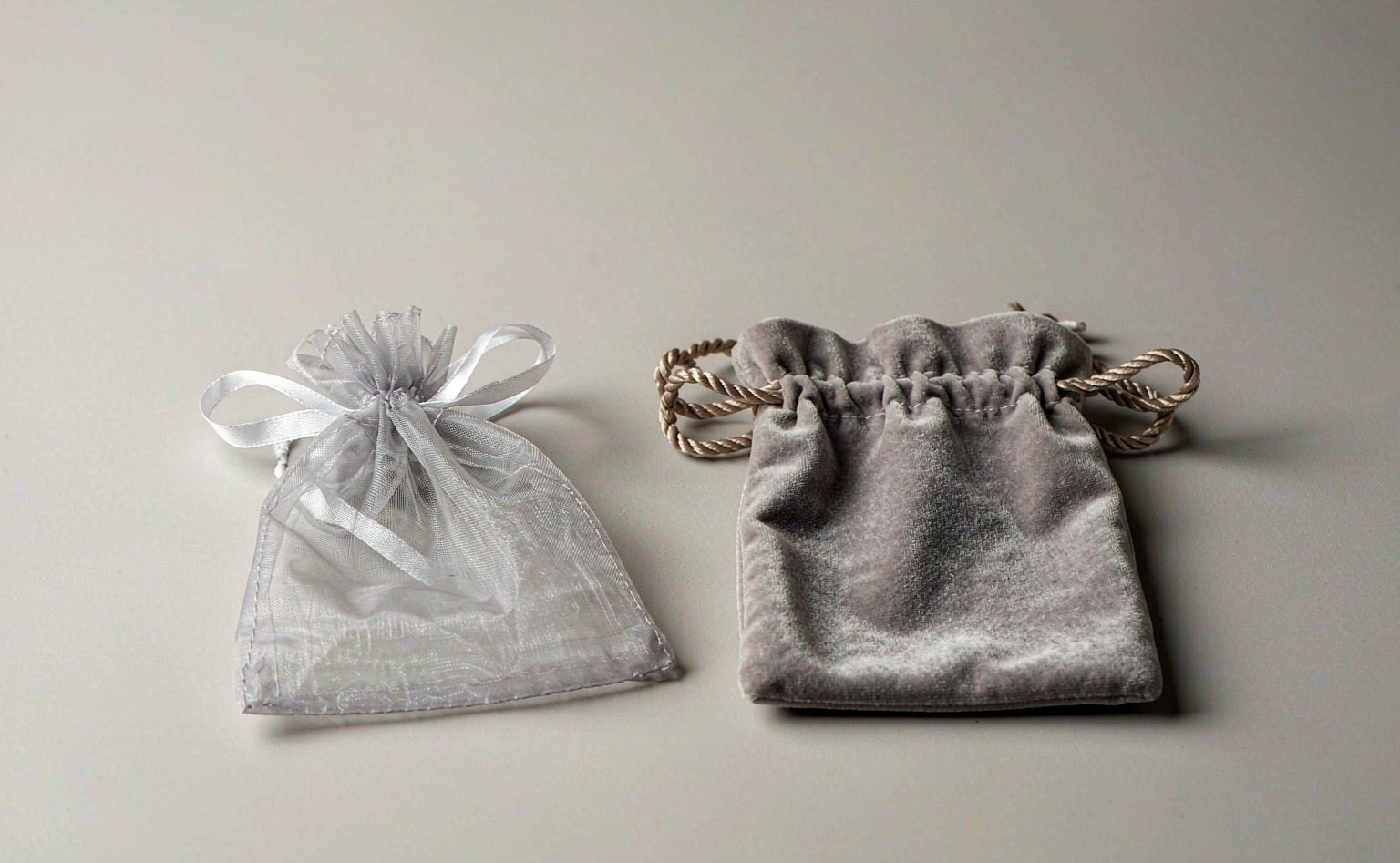
先说欧根纱袋。像“阿根纱袋ZBD22”这种半透纱质、袋口系丝带蝴蝶结加珍珠花的,看着仙,其实最怕压。退回来的十有八九袋身皱了,纱面一皱就回不直,熨都熨不出原形。这种袋起订量本来就高,小单两千、大单五千,成本摊在调性上,退回的基本直接进废品箱,没必要费劲整理。
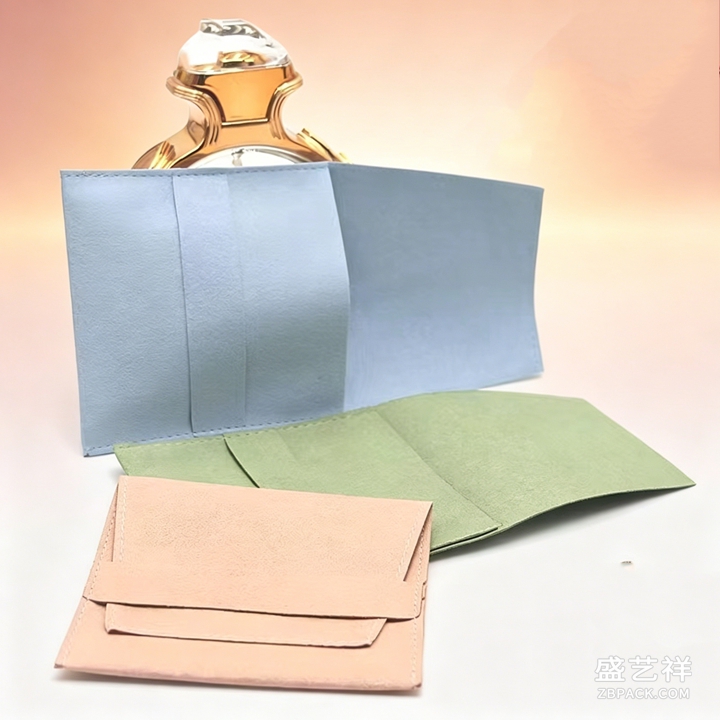 绒布索口袋不一样。“珠宝索口袋ZB9”这种多色植绒的,紫的红绿的橙的黄的黑的灰的白的,内衬植绒,防尘防刮还缓冲。退回来的如果抽绳没断、烫印没掉、绒面没沾妆,擦一擦还能用。它起订量极低,小单五十只就能做,本来就是当耗材备的,留着给下次赠品或换货周转,比现做划算。
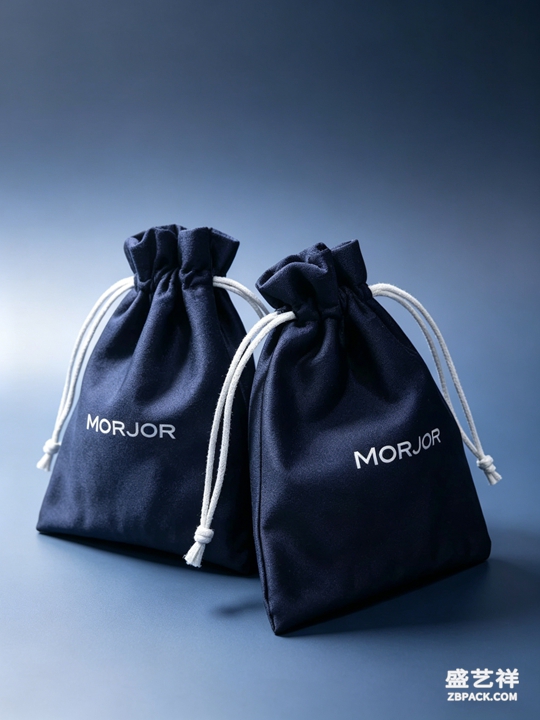 但“能留”不等于“该留”。凡是贴了品牌烫印、客户信息写过的,一律不留。退回袋里偶尔夹着写名字的吊牌,这种再干净也得废,信息的事不能碰。还有抽绳松紧不一致的,留着下次发出去两只手感不一样,客人对比着就挑刺。
硬盒比袋子更值得留,但品牌方管得严。圆角珠宝盒这类出厂带 OPP 袋独立封装的,没拆封的退回能二次售,可一旦客人开过盒、绒面压出印子,多半就不让再流回货架。所以袋子和盒子分开看:袋子看抽绳和绒面,盒子看内衬印痕和磁吸松没松。
最稳的做法,是退件登记那一步就把包装状态写进去。袋身皱、抽绳断、盒压痕,三栏打钩,仓库照单处理,不发错。我们见过门店嫌麻烦没记,退回袋和全新袋混进一个周转箱,下次抓一只发出去,客人收到旧的,投诉比丢几只袋子难看多了。
ZBD22 和 ZB9 摆在一起就很说明问题——一个娇气一个皮实,退货处理得分开对待。包装退回这环,省的是小钱,丢的是口碑。袋子皱巴巴发出去,客人觉得你连包装都懒得换新,前面陈列、售后的好印象全折在最后这一步。
本文为原创内容,版权归盛艺祥所有。如需转载请注明出处。
但“能留”不等于“该留”。凡是贴了品牌烫印、客户信息写过的,一律不留。退回袋里偶尔夹着写名字的吊牌,这种再干净也得废,信息的事不能碰。还有抽绳松紧不一致的,留着下次发出去两只手感不一样,客人对比着就挑刺。
硬盒比袋子更值得留,但品牌方管得严。圆角珠宝盒这类出厂带 OPP 袋独立封装的,没拆封的退回能二次售,可一旦客人开过盒、绒面压出印子,多半就不让再流回货架。所以袋子和盒子分开看:袋子看抽绳和绒面,盒子看内衬印痕和磁吸松没松。
最稳的做法,是退件登记那一步就把包装状态写进去。袋身皱、抽绳断、盒压痕,三栏打钩,仓库照单处理,不发错。我们见过门店嫌麻烦没记,退回袋和全新袋混进一个周转箱,下次抓一只发出去,客人收到旧的,投诉比丢几只袋子难看多了。
ZBD22 和 ZB9 摆在一起就很说明问题——一个娇气一个皮实,退货处理得分开对待。包装退回这环,省的是小钱,丢的是口碑。袋子皱巴巴发出去,客人觉得你连包装都懒得换新,前面陈列、售后的好印象全折在最后这一步。
本文为原创内容,版权归盛艺祥所有。如需转载请注明出处。
盛艺祥(Shengyixiang)——退回来也要体面,高端珠宝包装设计与定制专家。 When a customer returns an item, the box and pouch come back too. Plenty of stores have no clear rule for this — they either toss everything and waste it, or keep everything and create trouble. Start with organza pouches. A bag like the Organza Pouch ZBD22, sheer fabric tied with a ribbon bow and a pearl flower, looks ethereal but hates pressure. Returned ones are usually creased, and creased organza will not straighten — you cannot even iron it back. These bags carry a high minimum order, two thousand for a small run, five thousand for a bulk one, with the cost buried in the brand feel, so returned ones basically go to the bin. Not worth rescuing.
Velvet drawstring pouches are different. The Jewelry Pouch ZB9 comes in velvet across purple, red, green, orange, yellow, grey, white and black, with a velvet lining that protects against dust, scratches and knocks. If the returned one has an intact drawstring, clean foil and unstained nap, a wipe makes it reusable. Its minimum is tiny — fifty pieces for a small run — so it is stocked as a consumable anyway. Keep it for the next gift-with-purchase or exchange rather than ordering fresh.
But reusable is not the same as should-keep. Anything with a branded foil or a customer's name on the tag goes straight to scrap; a written name tag in a returned pouch, however clean, is a privacy line not to cross. And pouches with uneven drawstring tension — keep one and the next shipment feels different in the hand, and customers compare.
Hard boxes are more worth keeping, but brands police them tightly. A rounded jewelry box ships sealed in its own OPP bag; an unopened return can resell, but once the customer has opened it and the velvet shows a press mark, it usually cannot go back on the shelf. So judge bags and boxes separately: bags by drawstring and nap, boxes by lining marks and magnet tension.
The safest method is to record packaging condition at the return step. Creased bag, broken string, crushed box — tick three boxes, and the warehouse processes by the sheet, no mistakes. I have seen stores skip it; returned and brand-new pouches ended up in one tote, a customer got the old one, and the complaint stung worse than losing a few pouches.
ZBD22 and ZB9 side by side say it plainly — one is delicate, one is tough, and returns need separate handling. This last step of packaging recovery saves pocket change and risks reputation. Ship a creased pouch and the customer thinks you will not even bother with fresh packaging, and every good impression from display and service folds at the finish.
Thinking in cost terms helps. An organza pouch at a two-thousand minimum is cheap per unit but precious as a finished piece; a velvet pouch at a fifty minimum is genuinely a throwaway. Treating both the same at the return desk is where stores lose money or look sloppy. Separate bins, separate rules, and the occasional honest note to the customer that a pouch gets recycled builds more trust than pretending every pouch lasts forever.
We keep two labelled bins by the return desk — one for delicate, one for durable — and a one-line note in the system per returned order. It takes ten seconds and stops the expensive mistake of shipping a pouch a customer already handled. The goal is not zero waste; it is no surprises in the customer's hands.
This is original content. Copyright belongs to Shengyixiang.
Shengyixiang — your expert in high-end jewelry packaging design & customization.
返回资讯列表
Back To News List
绒布索口袋不一样。“珠宝索口袋ZB9”这种多色植绒的,紫的红绿的橙的黄的黑的灰的白的,内衬植绒,防尘防刮还缓冲。退回来的如果抽绳没断、烫印没掉、绒面没沾妆,擦一擦还能用。它起订量极低,小单五十只就能做,本来就是当耗材备的,留着给下次赠品或换货周转,比现做划算。
但“能留”不等于“该留”。凡是贴了品牌烫印、客户信息写过的,一律不留。退回袋里偶尔夹着写名字的吊牌,这种再干净也得废,信息的事不能碰。还有抽绳松紧不一致的,留着下次发出去两只手感不一样,客人对比着就挑刺。
硬盒比袋子更值得留,但品牌方管得严。圆角珠宝盒这类出厂带 OPP 袋独立封装的,没拆封的退回能二次售,可一旦客人开过盒、绒面压出印子,多半就不让再流回货架。所以袋子和盒子分开看:袋子看抽绳和绒面,盒子看内衬印痕和磁吸松没松。
最稳的做法,是退件登记那一步就把包装状态写进去。袋身皱、抽绳断、盒压痕,三栏打钩,仓库照单处理,不发错。我们见过门店嫌麻烦没记,退回袋和全新袋混进一个周转箱,下次抓一只发出去,客人收到旧的,投诉比丢几只袋子难看多了。
ZBD22 和 ZB9 摆在一起就很说明问题——一个娇气一个皮实,退货处理得分开对待。包装退回这环,省的是小钱,丢的是口碑。袋子皱巴巴发出去,客人觉得你连包装都懒得换新,前面陈列、售后的好印象全折在最后这一步。
本文为原创内容,版权归盛艺祥所有。如需转载请注明出处。盛艺祥(Shengyixiang)——退回来也要体面,高端珠宝包装设计与定制专家。 When a customer returns an item, the box and pouch come back too. Plenty of stores have no clear rule for this — they either toss everything and waste it, or keep everything and create trouble. Start with organza pouches. A bag like the Organza Pouch ZBD22, sheer fabric tied with a ribbon bow and a pearl flower, looks ethereal but hates pressure. Returned ones are usually creased, and creased organza will not straighten — you cannot even iron it back. These bags carry a high minimum order, two thousand for a small run, five thousand for a bulk one, with the cost buried in the brand feel, so returned ones basically go to the bin. Not worth rescuing.
Velvet drawstring pouches are different. The Jewelry Pouch ZB9 comes in velvet across purple, red, green, orange, yellow, grey, white and black, with a velvet lining that protects against dust, scratches and knocks. If the returned one has an intact drawstring, clean foil and unstained nap, a wipe makes it reusable. Its minimum is tiny — fifty pieces for a small run — so it is stocked as a consumable anyway. Keep it for the next gift-with-purchase or exchange rather than ordering fresh.
But reusable is not the same as should-keep. Anything with a branded foil or a customer's name on the tag goes straight to scrap; a written name tag in a returned pouch, however clean, is a privacy line not to cross. And pouches with uneven drawstring tension — keep one and the next shipment feels different in the hand, and customers compare.
Hard boxes are more worth keeping, but brands police them tightly. A rounded jewelry box ships sealed in its own OPP bag; an unopened return can resell, but once the customer has opened it and the velvet shows a press mark, it usually cannot go back on the shelf. So judge bags and boxes separately: bags by drawstring and nap, boxes by lining marks and magnet tension.
The safest method is to record packaging condition at the return step. Creased bag, broken string, crushed box — tick three boxes, and the warehouse processes by the sheet, no mistakes. I have seen stores skip it; returned and brand-new pouches ended up in one tote, a customer got the old one, and the complaint stung worse than losing a few pouches.
ZBD22 and ZB9 side by side say it plainly — one is delicate, one is tough, and returns need separate handling. This last step of packaging recovery saves pocket change and risks reputation. Ship a creased pouch and the customer thinks you will not even bother with fresh packaging, and every good impression from display and service folds at the finish.
Thinking in cost terms helps. An organza pouch at a two-thousand minimum is cheap per unit but precious as a finished piece; a velvet pouch at a fifty minimum is genuinely a throwaway. Treating both the same at the return desk is where stores lose money or look sloppy. Separate bins, separate rules, and the occasional honest note to the customer that a pouch gets recycled builds more trust than pretending every pouch lasts forever.
We keep two labelled bins by the return desk — one for delicate, one for durable — and a one-line note in the system per returned order. It takes ten seconds and stops the expensive mistake of shipping a pouch a customer already handled. The goal is not zero waste; it is no surprises in the customer's hands.
This is original content. Copyright belongs to Shengyixiang.Shengyixiang — your expert in high-end jewelry packaging design & customization.