首饰袋出厂,路上别先塌了 Jewelry Pouches in Transit: Don't Let Them Sag
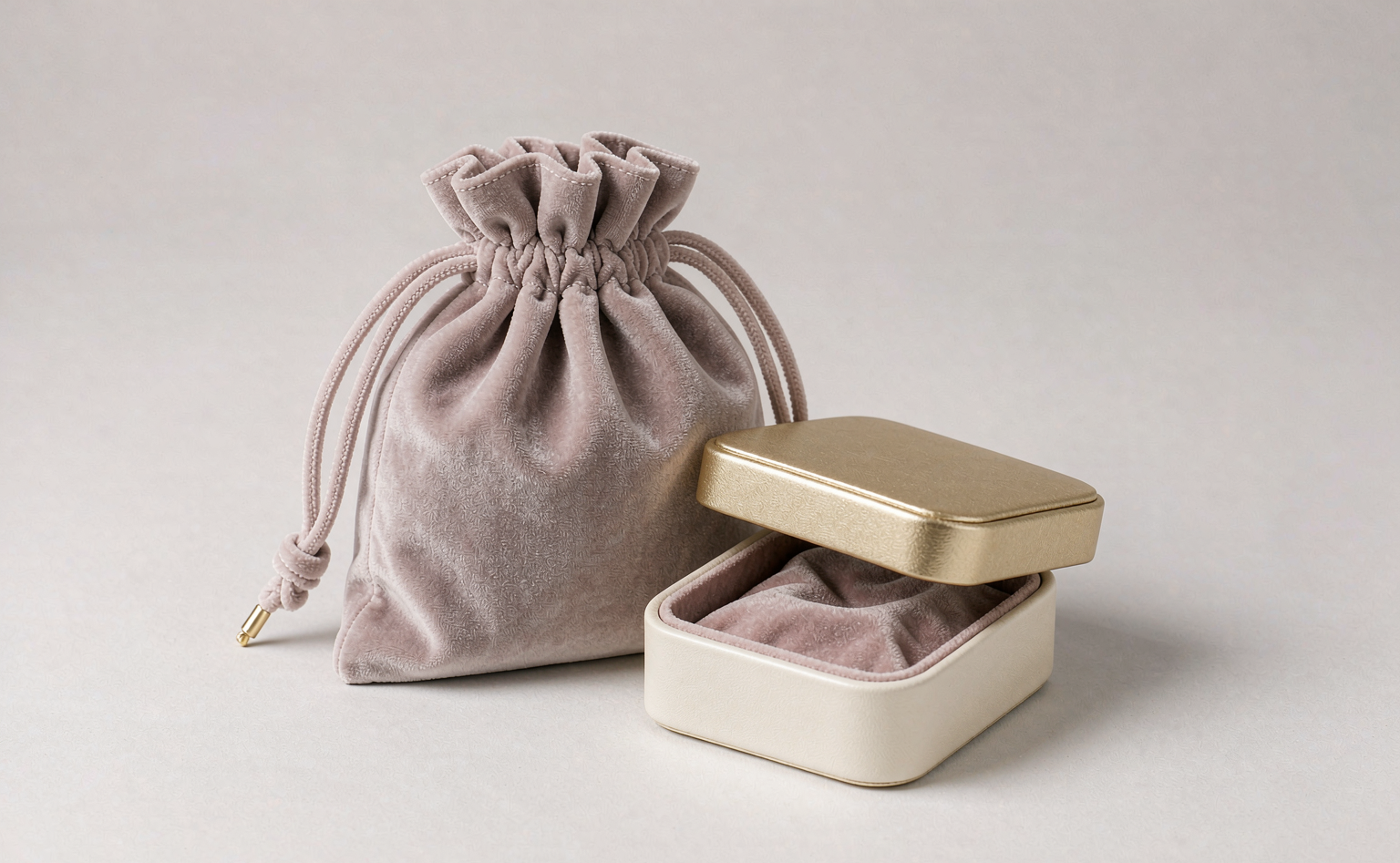
做首饰袋的厂,最怕听到品牌方一句“到货怎么瘪了”。袋子是软的,出厂时鼓鼓的,塞了拷贝纸撑形,发到门店要是塌成一团,客户第一眼就觉得廉价。问题很少出在袋子上,多半出在路上。
ZB14 这款给 PANDORA 做的纯白超细纤维绒布袋,手感柔滑,防尘防刮还能缓冲,正面黑色烫印着品牌字样,抽绳是同色系。这种白绒布最娇气:淋不得潮、压不得角。南方梅雨季发往华东的货,纸箱外层一潮,内袋跟着闷,绒面发暗,摸着还潮乎乎的。我们的做法是一层 OPP 内袋先把袋子套住,再进五层外箱,箱角塞珍珠棉,潮气和挤压都挡在外面。
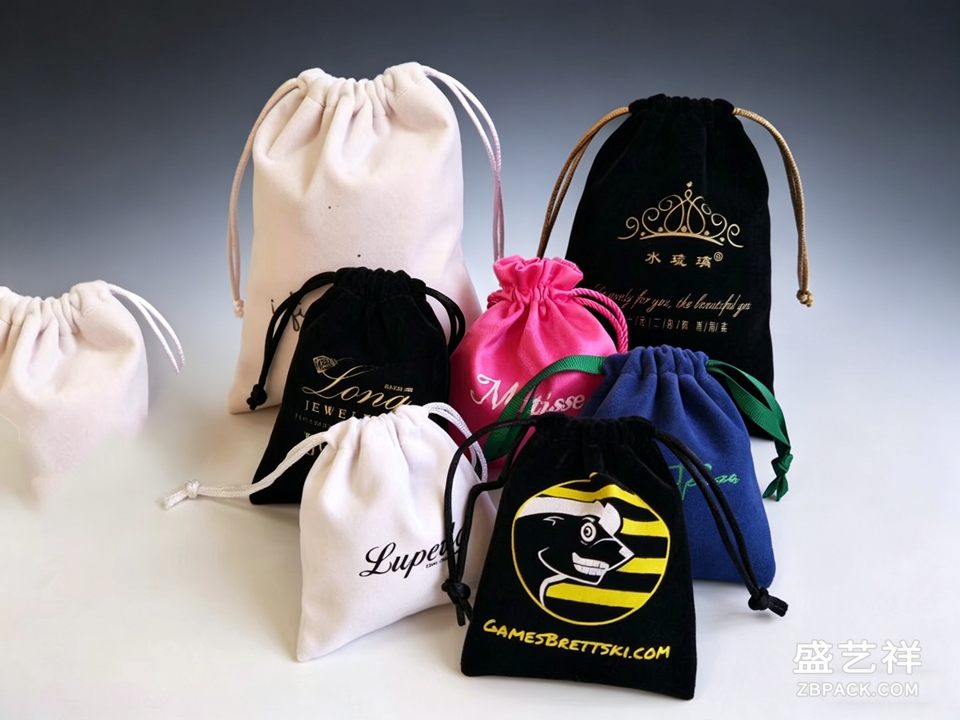 ZB12 是丝绒束口袋加手提包的组合,柔滑丝绒袋身用同色系刺绣写品牌名,左侧束口款配宽幅白缎带蝴蝶结,开合优雅;右侧手提托特款带双提手和侧边缎带,能装也能拎。这类组合袋最怕运输里相互压。缎带蝴蝶结要是被上面的盒子压一天,打开就是个死褶,熨都熨不回原样。所以装箱时束口袋和托特包得分层,蝴蝶结那侧朝上,绝不让重货压着。
我们走过一次弯路。早几年给一个轻奢品牌发一批 ZB12,为了省箱子,托特包和束口袋混装,蝴蝶结那侧朝下。到店开箱,十几只的缎带压成了扁片,客户拍照发来,第一句话就是“这还怎么送人”。那批我们全数重做,运费自己吞了。从那以后装箱 SOP 里多了一条:组合袋蝴蝶结必须朝上,违者整箱重包。
门店收到货开箱那一刻,袋子挺括、烫印清晰、没有霉点,采购的第一反应就是“这厂靠谱”。反过来,塌了、潮了、金印蹭花,后面再便宜也难续单。首饰袋批发拼的不只是单价,是到店那一下还好不好看。
我们也给品牌方一个验收小动作:到货先抽三只袋子对着光看绒面有没有水印,再抖一抖听烫印有没有脱粉的沙沙声。这一步在收货单上签字前做,出问题能退能换,过了这关就只能自己扛。
ZB12 是丝绒束口袋加手提包的组合,柔滑丝绒袋身用同色系刺绣写品牌名,左侧束口款配宽幅白缎带蝴蝶结,开合优雅;右侧手提托特款带双提手和侧边缎带,能装也能拎。这类组合袋最怕运输里相互压。缎带蝴蝶结要是被上面的盒子压一天,打开就是个死褶,熨都熨不回原样。所以装箱时束口袋和托特包得分层,蝴蝶结那侧朝上,绝不让重货压着。
我们走过一次弯路。早几年给一个轻奢品牌发一批 ZB12,为了省箱子,托特包和束口袋混装,蝴蝶结那侧朝下。到店开箱,十几只的缎带压成了扁片,客户拍照发来,第一句话就是“这还怎么送人”。那批我们全数重做,运费自己吞了。从那以后装箱 SOP 里多了一条:组合袋蝴蝶结必须朝上,违者整箱重包。
门店收到货开箱那一刻,袋子挺括、烫印清晰、没有霉点,采购的第一反应就是“这厂靠谱”。反过来,塌了、潮了、金印蹭花,后面再便宜也难续单。首饰袋批发拼的不只是单价,是到店那一下还好不好看。
我们也给品牌方一个验收小动作:到货先抽三只袋子对着光看绒面有没有水印,再抖一抖听烫印有没有脱粉的沙沙声。这一步在收货单上签字前做,出问题能退能换,过了这关就只能自己扛。
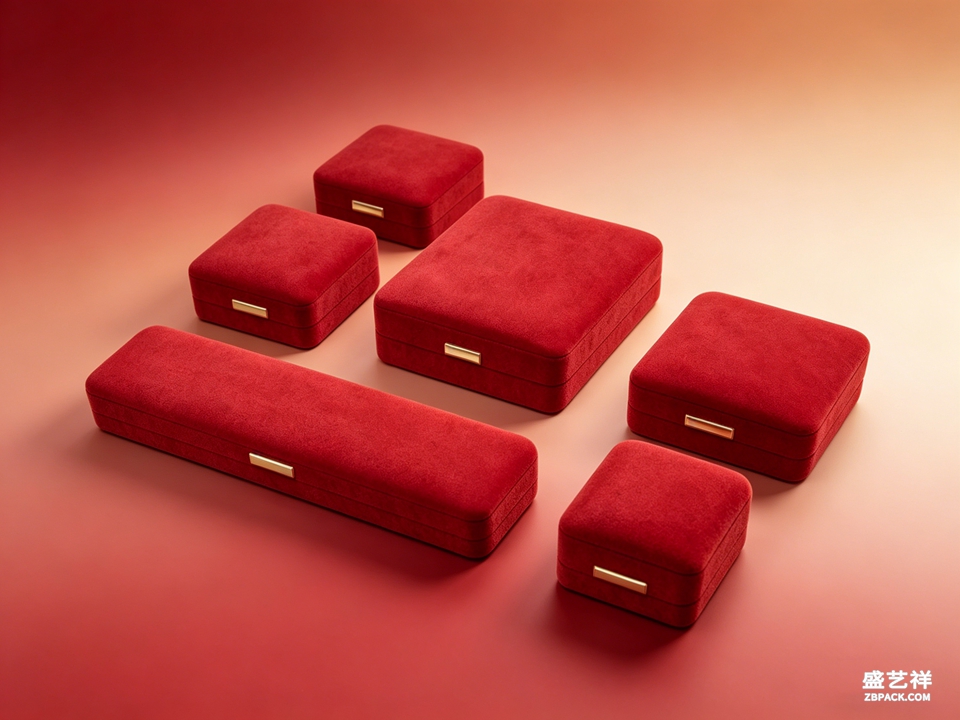 我们做珠宝袋加工十几年,结论很朴素:袋型能在路上保住,靠的是撑形、隔潮、分层这三步,不是靠袋子本身多厚。珠宝盒定制能管到盒型,袋子这边也得管到运输,两头都护住,品牌门店拆箱时才笑得出来。挑代工厂时,别只问“袋子什么料、什么价”,多问一句“你们怎么装箱、梅雨季怎么防潮”——能答上来细节的,才敢把品牌名烫在那只袋子上。
我们也见过反例。有品牌为了压成本,让供应商把 OPP 内袋省了,白绒袋直接进箱。头两批没事,第三批赶上连续阴雨,到店整批发暗,品牌方直接换了供应商。省那几毛钱的内袋,丢了一年订单。ZB14 的烫印是黑色,白底上特别显眼,一旦蹭花比同色烫印更难救,所以装箱时袋子之间要隔一层拷贝纸,别袋贴袋互相磨。
本文为原创内容,版权归盛艺祥所有。如需转载请注明出处。
我们做珠宝袋加工十几年,结论很朴素:袋型能在路上保住,靠的是撑形、隔潮、分层这三步,不是靠袋子本身多厚。珠宝盒定制能管到盒型,袋子这边也得管到运输,两头都护住,品牌门店拆箱时才笑得出来。挑代工厂时,别只问“袋子什么料、什么价”,多问一句“你们怎么装箱、梅雨季怎么防潮”——能答上来细节的,才敢把品牌名烫在那只袋子上。
我们也见过反例。有品牌为了压成本,让供应商把 OPP 内袋省了,白绒袋直接进箱。头两批没事,第三批赶上连续阴雨,到店整批发暗,品牌方直接换了供应商。省那几毛钱的内袋,丢了一年订单。ZB14 的烫印是黑色,白底上特别显眼,一旦蹭花比同色烫印更难救,所以装箱时袋子之间要隔一层拷贝纸,别袋贴袋互相磨。
本文为原创内容,版权归盛艺祥所有。如需转载请注明出处。
盛艺祥(Shengyixiang)——高端珠宝包装设计与定制专家。 For a factory that makes jewelry pouches, the worst sentence to hear from a brand is: the shipment arrived flat. A pouch is soft. It leaves the plant plump, stuffed with copy paper to hold its shape, and if it reaches the store collapsed into a lump, the client's first thought is cheap. The fault is rarely the pouch itself. It is almost always the road. The ZB14 we make for PANDORA is a pure-white microfibre velvet bag, smooth to the touch, dust-proof, scratch-proof and padded, with the brand name foil-printed in black on the front and a matching drawstring. This white velvet is the most delicate of all: no damp, no crushed corners. Ship it from the south during the rainy season toward East China and the outer carton drinks moisture; the inner bag goes muggy, the surface dulls, and it feels damp in the hand. Our fix is a layer of OPP inner bag slipped over the pouch first, then into a five-ply outer carton with pearl cotton wedged into every corner. Moisture and pressure stay outside.
The ZB12 is a combo: a velvet drawstring pouch plus a tote. The silky velvet body carries the brand name in tone-on-tone embroidery; the left piece is a drawstring with a wide white satin bow for an elegant open; the right is a handled tote with double straps and side ribbon, built to carry and to carry in the hand. Combo bags like this fear one thing in transit: each other. Let a bow sit under a box for a day and it opens as a permanent crease no iron will undo. So we pack the drawstring and the tote in separate layers, bow side up, never under weight.
We learned this the hard way. A few years back we shipped a run of ZB12 to a light-luxury brand and, to save a carton, mixed the totes and the drawstrings with the bows facing down. On arrival the satin bows were flattened into thin slabs. The client sent a photo and one line: how are we supposed to gift these. We remade the whole batch and ate the freight ourselves. Since then the packing SOP has one extra line: combo bows face up, or the whole carton gets re-packed.
The moment a store opens the box, if the pouch stands crisp, the print is sharp and there is no mildew, the buyer's first reaction is this factory is reliable. Reverse it, collapsed, damp, foil smudged, and no price will save the reorder. In jewelry pouch wholesale the contest is not only unit price. It is whether the piece still looks good the second it lands on the shelf.
We give brands one small check on arrival too. Pull three pouches, hold them to the light, look for water marks on the velvet, then give each a shake and listen for the dry rasp of foil powder shedding. Do this before you sign the receipt. Problems caught here can be returned or swapped; past that gate, you carry them yourself.
There is a habit worth calling out across the trade. Brands negotiate hard on the bag, then forget that the bag travels. They approve a swatch that looks perfect on the desk and are surprised when the shipment looks tired. The desk and the truck are different places. A pouch that survives the desk but not the journey is not a finished product.
We have been in jewelry bag manufacturing for over a decade, and the conclusion stays plain: a pouch keeps its shape on the road through three steps, shaping, moisture barrier and layering, not through thicker cloth. Custom jewelry boxes can govern the box form; the pouch side has to govern the transport. Protect both ends and the brand's store can actually smile when it opens the carton. When you choose a contract factory, do not only ask what material the bag is and what it costs. Ask how they pack it, and how they fight damp in the rainy season. The ones who answer with detail are the ones you can trust to foil your brand name onto that pouch.
返回资讯列表
Back To News List
ZB12 是丝绒束口袋加手提包的组合,柔滑丝绒袋身用同色系刺绣写品牌名,左侧束口款配宽幅白缎带蝴蝶结,开合优雅;右侧手提托特款带双提手和侧边缎带,能装也能拎。这类组合袋最怕运输里相互压。缎带蝴蝶结要是被上面的盒子压一天,打开就是个死褶,熨都熨不回原样。所以装箱时束口袋和托特包得分层,蝴蝶结那侧朝上,绝不让重货压着。
我们走过一次弯路。早几年给一个轻奢品牌发一批 ZB12,为了省箱子,托特包和束口袋混装,蝴蝶结那侧朝下。到店开箱,十几只的缎带压成了扁片,客户拍照发来,第一句话就是“这还怎么送人”。那批我们全数重做,运费自己吞了。从那以后装箱 SOP 里多了一条:组合袋蝴蝶结必须朝上,违者整箱重包。
门店收到货开箱那一刻,袋子挺括、烫印清晰、没有霉点,采购的第一反应就是“这厂靠谱”。反过来,塌了、潮了、金印蹭花,后面再便宜也难续单。首饰袋批发拼的不只是单价,是到店那一下还好不好看。
我们也给品牌方一个验收小动作:到货先抽三只袋子对着光看绒面有没有水印,再抖一抖听烫印有没有脱粉的沙沙声。这一步在收货单上签字前做,出问题能退能换,过了这关就只能自己扛。
我们做珠宝袋加工十几年,结论很朴素:袋型能在路上保住,靠的是撑形、隔潮、分层这三步,不是靠袋子本身多厚。珠宝盒定制能管到盒型,袋子这边也得管到运输,两头都护住,品牌门店拆箱时才笑得出来。挑代工厂时,别只问“袋子什么料、什么价”,多问一句“你们怎么装箱、梅雨季怎么防潮”——能答上来细节的,才敢把品牌名烫在那只袋子上。
我们也见过反例。有品牌为了压成本,让供应商把 OPP 内袋省了,白绒袋直接进箱。头两批没事,第三批赶上连续阴雨,到店整批发暗,品牌方直接换了供应商。省那几毛钱的内袋,丢了一年订单。ZB14 的烫印是黑色,白底上特别显眼,一旦蹭花比同色烫印更难救,所以装箱时袋子之间要隔一层拷贝纸,别袋贴袋互相磨。
本文为原创内容,版权归盛艺祥所有。如需转载请注明出处。盛艺祥(Shengyixiang)——高端珠宝包装设计与定制专家。 For a factory that makes jewelry pouches, the worst sentence to hear from a brand is: the shipment arrived flat. A pouch is soft. It leaves the plant plump, stuffed with copy paper to hold its shape, and if it reaches the store collapsed into a lump, the client's first thought is cheap. The fault is rarely the pouch itself. It is almost always the road. The ZB14 we make for PANDORA is a pure-white microfibre velvet bag, smooth to the touch, dust-proof, scratch-proof and padded, with the brand name foil-printed in black on the front and a matching drawstring. This white velvet is the most delicate of all: no damp, no crushed corners. Ship it from the south during the rainy season toward East China and the outer carton drinks moisture; the inner bag goes muggy, the surface dulls, and it feels damp in the hand. Our fix is a layer of OPP inner bag slipped over the pouch first, then into a five-ply outer carton with pearl cotton wedged into every corner. Moisture and pressure stay outside.
The ZB12 is a combo: a velvet drawstring pouch plus a tote. The silky velvet body carries the brand name in tone-on-tone embroidery; the left piece is a drawstring with a wide white satin bow for an elegant open; the right is a handled tote with double straps and side ribbon, built to carry and to carry in the hand. Combo bags like this fear one thing in transit: each other. Let a bow sit under a box for a day and it opens as a permanent crease no iron will undo. So we pack the drawstring and the tote in separate layers, bow side up, never under weight.
We learned this the hard way. A few years back we shipped a run of ZB12 to a light-luxury brand and, to save a carton, mixed the totes and the drawstrings with the bows facing down. On arrival the satin bows were flattened into thin slabs. The client sent a photo and one line: how are we supposed to gift these. We remade the whole batch and ate the freight ourselves. Since then the packing SOP has one extra line: combo bows face up, or the whole carton gets re-packed.
The moment a store opens the box, if the pouch stands crisp, the print is sharp and there is no mildew, the buyer's first reaction is this factory is reliable. Reverse it, collapsed, damp, foil smudged, and no price will save the reorder. In jewelry pouch wholesale the contest is not only unit price. It is whether the piece still looks good the second it lands on the shelf.
We give brands one small check on arrival too. Pull three pouches, hold them to the light, look for water marks on the velvet, then give each a shake and listen for the dry rasp of foil powder shedding. Do this before you sign the receipt. Problems caught here can be returned or swapped; past that gate, you carry them yourself.
There is a habit worth calling out across the trade. Brands negotiate hard on the bag, then forget that the bag travels. They approve a swatch that looks perfect on the desk and are surprised when the shipment looks tired. The desk and the truck are different places. A pouch that survives the desk but not the journey is not a finished product.
We have been in jewelry bag manufacturing for over a decade, and the conclusion stays plain: a pouch keeps its shape on the road through three steps, shaping, moisture barrier and layering, not through thicker cloth. Custom jewelry boxes can govern the box form; the pouch side has to govern the transport. Protect both ends and the brand's store can actually smile when it opens the carton. When you choose a contract factory, do not only ask what material the bag is and what it costs. Ask how they pack it, and how they fight damp in the rainy season. The ones who answer with detail are the ones you can trust to foil your brand name onto that pouch.