珠宝陈列道具的制作方案:从开料到封样的五道工序盛艺祥 · 行业资讯
珠宝陈列道具的制作方案:从开料到封样的五道工序 How Display Props Are Made: Five Steps from Material to Sealed Sample
很多店买陈列道具只看外观,摆上柜台才发现高度差一点、角度不对、绒面几个月就起球。问题不在道具本身,而在生产端有没有一套严格的制作方案。一套合格的珠宝陈列道具,从开料到封样,至少要过五道工序,每一道都有明确的验收标准。
第一道,选料配色。绒布的密度和克重决定手感与寿命,克重太低的绒布用一两个月就塌绒;海绵的密度与厚度决定回弹,托盘的弧度靠它撑形;基材在密度板、亚克力、实木之间按货品重量与柜台风场选定。配色要贴着货品走:白金、铂金配深灰或黑色绒面,黄金、玫瑰金配米色或驼色绒面,颜色衬对了,灯光一打高级感就出来了。
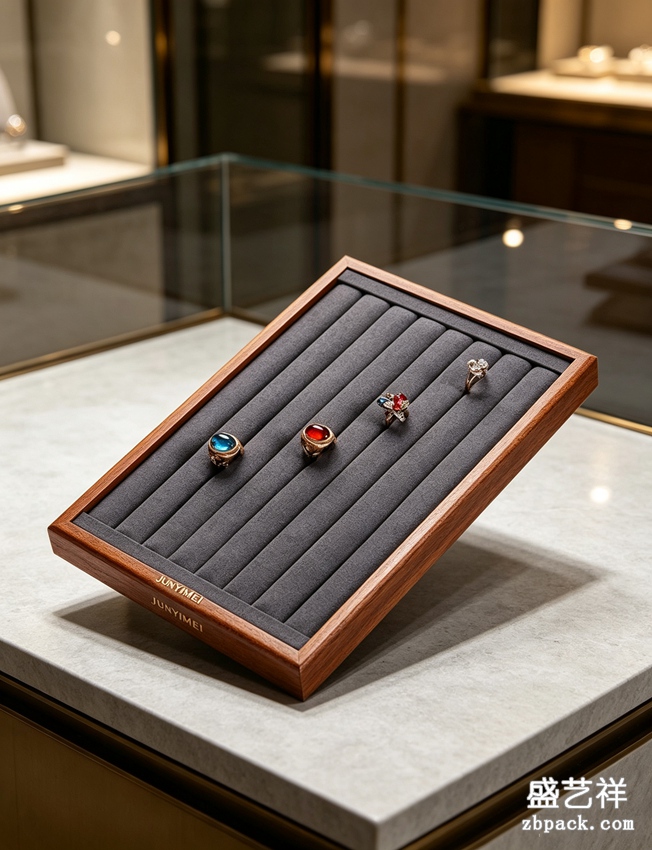 第二道,开料与做型。斜放托盘的槽口角度、套盘的深浅、戒指槽的宽窄,都要按货品尺寸画图开料。斜放槽一般控制在三十到四十五度,戒面朝斜上方,客人一眼看到整只戒指的正面;槽宽跟着戒圈走,普通对戒两厘米到两厘米半,宽戒面异形戒留到三厘米以上,戒指放进去卡得住、拿得出。
第三道,复合与围边。绒布与海绵、基材的复合要用环保胶水并压合到位,避免边角起空鼓;金边、银边这类装饰边条走压合工艺,边条脱角往往是质检没跟上。围边收边要齐,四角不能翘,抽屉款还要注意合上时盘面不蹭隔板。
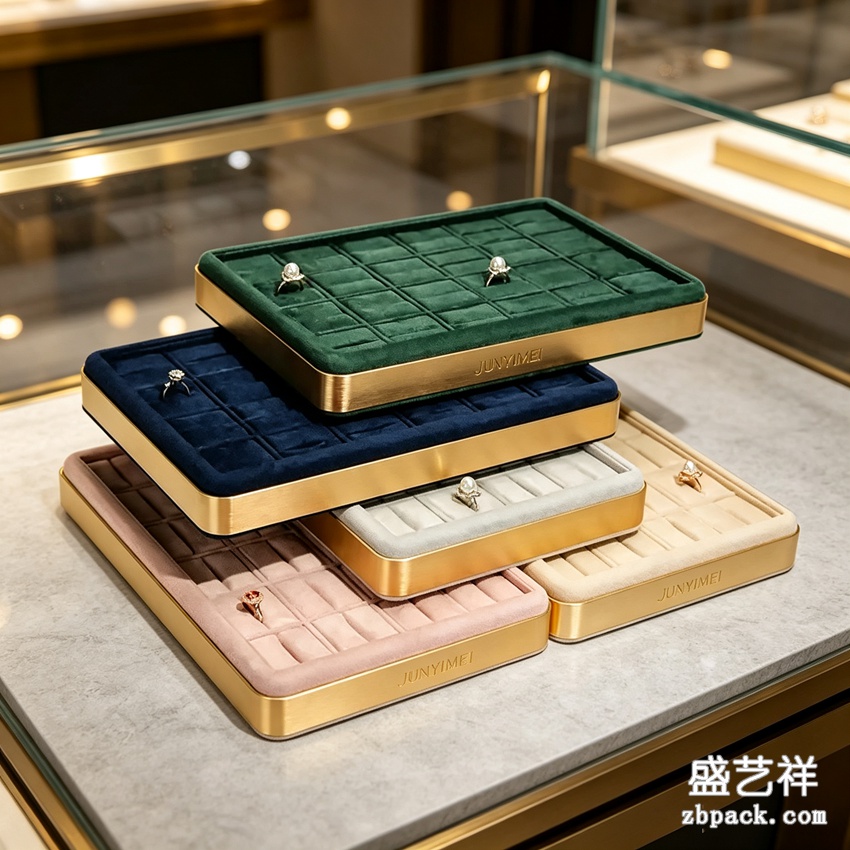 第四道,质检。平整度、四角高度、绒面无起球无脱毛、防滑垫是否加装,都要逐项过检。一套托盘吃一年还是吃三个月,差距就在质检这一环节。
第五道,封样。确认样签字留档,批量生产按确认样对色对尺寸,首件与确认样逐项比对,材料或工艺有任何变更都要重新封样。道具做了封样管理,翻单才稳,柜台里的卖相才稳。
Many shops pick display props by looks alone, and only realize weeks later that the height is off, the angle is wrong, or the velvet pills within months. The problem is rarely the prop itself — it is whether the maker runs a strict production plan. A qualified jewelry display prop passes at least five steps from raw material to sealed sample, each with its own acceptance standard.
Step one: material and color. The density and weight of the velvet decide feel and lifespan — fabric that is too light goes flat in a month or two. Foam density and thickness decide rebound and hold the curves of a tray. The base material — MDF, acrylic, or solid wood — is chosen by product weight and counter conditions. Color follows the goods: platinum and white gold sit best on charcoal or black velvet; yellow gold and rose gold look warm and rich on beige or camel velvet. Match the colors right, and the counter lighting does the rest.
Step two: cutting and shaping. The angle of a slanting slot, the depth of a set tray, the width of a ring groove — all are drawn and cut to the goods. Slant slots are usually set between 30 and 45 degrees so the face of the ring tilts up toward the customer. Groove width follows the ring band: two to two-and-a-half centimeters for ordinary pairs, three centimeters or more for wide or fancy bands, so the ring sits snug yet comes out easily.
Step three: lamination and edging. Velvet is bonded to foam and base with eco-friendly adhesive and pressed firmly so corners never bubble. Gold or silver trim strips are pressed and locked in place — loose trim is usually a QC failure. Edges must be even, corners flat, and drawer trays must clear the dividers when closed.
Step four: quality control. Flatness, corner height, velvet free of pilling and shedding, anti-slip pads in place — each item is checked one by one. Whether a tray lasts three months or a year depends on this step.
Step five: sample sealing. The approved sample is signed and kept on file; production batches match it for color and size, the first piece is compared item by item, and any change in material or process requires a new seal. With sample sealing in place, reorders stay consistent and the counter keeps its good looks.
返回资讯列表
Back To News List
第二道,开料与做型。斜放托盘的槽口角度、套盘的深浅、戒指槽的宽窄,都要按货品尺寸画图开料。斜放槽一般控制在三十到四十五度,戒面朝斜上方,客人一眼看到整只戒指的正面;槽宽跟着戒圈走,普通对戒两厘米到两厘米半,宽戒面异形戒留到三厘米以上,戒指放进去卡得住、拿得出。
第三道,复合与围边。绒布与海绵、基材的复合要用环保胶水并压合到位,避免边角起空鼓;金边、银边这类装饰边条走压合工艺,边条脱角往往是质检没跟上。围边收边要齐,四角不能翘,抽屉款还要注意合上时盘面不蹭隔板。
第四道,质检。平整度、四角高度、绒面无起球无脱毛、防滑垫是否加装,都要逐项过检。一套托盘吃一年还是吃三个月,差距就在质检这一环节。
第五道,封样。确认样签字留档,批量生产按确认样对色对尺寸,首件与确认样逐项比对,材料或工艺有任何变更都要重新封样。道具做了封样管理,翻单才稳,柜台里的卖相才稳。
Many shops pick display props by looks alone, and only realize weeks later that the height is off, the angle is wrong, or the velvet pills within months. The problem is rarely the prop itself — it is whether the maker runs a strict production plan. A qualified jewelry display prop passes at least five steps from raw material to sealed sample, each with its own acceptance standard.
Step one: material and color. The density and weight of the velvet decide feel and lifespan — fabric that is too light goes flat in a month or two. Foam density and thickness decide rebound and hold the curves of a tray. The base material — MDF, acrylic, or solid wood — is chosen by product weight and counter conditions. Color follows the goods: platinum and white gold sit best on charcoal or black velvet; yellow gold and rose gold look warm and rich on beige or camel velvet. Match the colors right, and the counter lighting does the rest.
Step two: cutting and shaping. The angle of a slanting slot, the depth of a set tray, the width of a ring groove — all are drawn and cut to the goods. Slant slots are usually set between 30 and 45 degrees so the face of the ring tilts up toward the customer. Groove width follows the ring band: two to two-and-a-half centimeters for ordinary pairs, three centimeters or more for wide or fancy bands, so the ring sits snug yet comes out easily.
Step three: lamination and edging. Velvet is bonded to foam and base with eco-friendly adhesive and pressed firmly so corners never bubble. Gold or silver trim strips are pressed and locked in place — loose trim is usually a QC failure. Edges must be even, corners flat, and drawer trays must clear the dividers when closed.
Step four: quality control. Flatness, corner height, velvet free of pilling and shedding, anti-slip pads in place — each item is checked one by one. Whether a tray lasts three months or a year depends on this step.
Step five: sample sealing. The approved sample is signed and kept on file; production batches match it for color and size, the first piece is compared item by item, and any change in material or process requires a new seal. With sample sealing in place, reorders stay consistent and the counter keeps its good looks.