珠宝陈列包装设计方案:展示托盘与收纳盒的组合方案盛艺祥 · 行业资讯
珠宝陈列包装设计方案:展示托盘与收纳盒的组合方案 Jewelry Display Packaging Design: Combining Display Trays with Storage Boxes
珠宝包装的边界正在延展:盒子不再只是装产品的容器,托盘也不再只是柜台里的道具,两者开始互相渗透。展示托盘与收纳盒的组合方案,就是在这种趋势下出现的产品类型——同一套结构,摆在柜台上是陈列托盘,收进库房是收纳盒,一物两用,既节省空间又统一了陈列与存储的视觉。对于柜台空间有限、又追求陈列统一度的珠宝品牌来说,这套组合方案尤其实用。
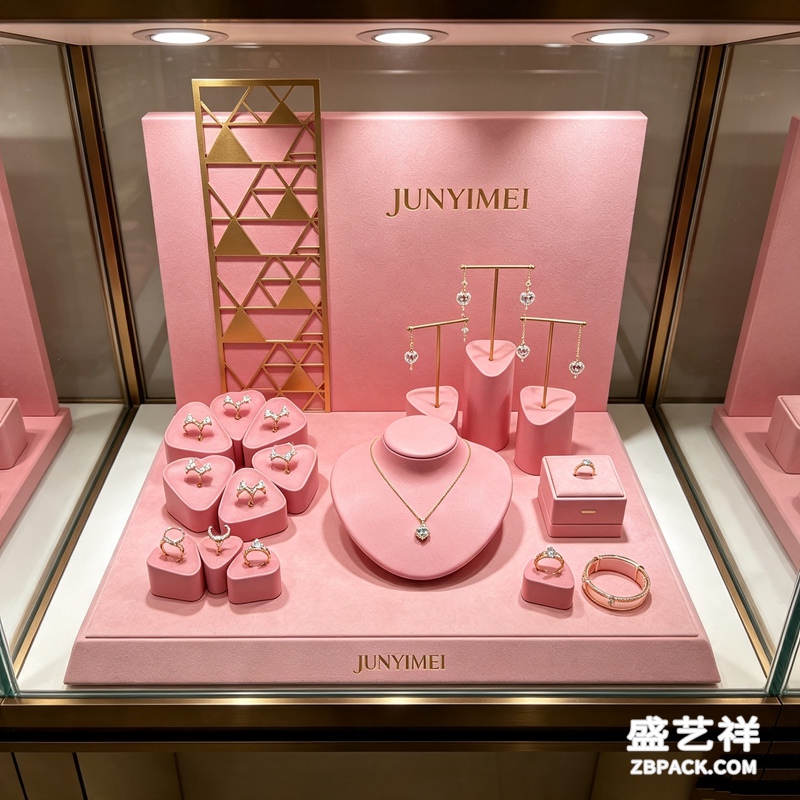 组合方案的基本形态有三种。第一种是盒内托盘式,收纳盒内嵌可取出托盘,开盒即展示,合盒即收纳,最常见于戒指与吊坠的精品款;第二种是层叠托盘式,多个薄托盘上下叠放,每层独立成盘,需要展示时单层抽出放进柜台,平时叠置于储物柜内,适合耳饰与手链这类数量多的品类;第三种是可翻转托盘式,托盘一面为陈列绒面、另一面为收纳格面,翻转即可切换,一个托盘完成两种职能。三种形态对应不同品类与场景,品牌方可以根据货品结构组合选用。
托盘与收纳盒的尺寸设计要遵循"模块化"思路。以通用模数为基准,比如托盘长宽按六厘米、八厘米的倍数取整,收纳盒的层高按托盘高度加一厘米叠加。模块化带来的直接好处是替换灵活:某一品类的托盘损坏或更新时,只需更换单层,不需要整体重做;新品上市需要新增托盘时,也可以在现有收纳盒内直接增加层位。同模块的托盘可以在展示柜与收纳柜之间自由移动,柜台陈列与库房管理共用一套规格,减少了重复采购。
内衬与收纳结构要兼顾两种场景的诉求。展示状态要求绒面美观、槽位固定,收纳状态要求隔离防碰、堆叠稳定。设计上可以采取"主绒副格"结构:托盘主面用短毛植绒,按产品轮廓开槽,负责展示;托盘背面或盒体内侧设浅格与隔条,负责分格收纳。绒面开槽的深度建议为产品高度的二分之一上下,既能在展示时立得住,也能在收纳时防止相互刮碰。堆叠稳定靠盒体四角的定位柱与托盘四角的定位孔实现,叠放时一一对应,搬动时不会错位滑移。
材质选择上,组合方案要在展示质感与收纳耐用之间取平衡。托盘本体常用密度板加绒布包覆,分量适中、绒面挺括,适合长期展示;收纳盒外壳则建议使用加厚的灰板或轻质ABS,耐压防潮,满足堆叠存放的需求。盒体的表面工艺与柜台道具保持一致,比如同色系哑光处理,让收纳盒摆上柜台时不显得突兀。五金件尽量精简,常用的可拆卸锁扣与提手可以共用一套模具,降低单件成本。防潮方面,收纳盒内预留干燥剂位,长期存储时放入干燥剂包,保护绒面与产品。
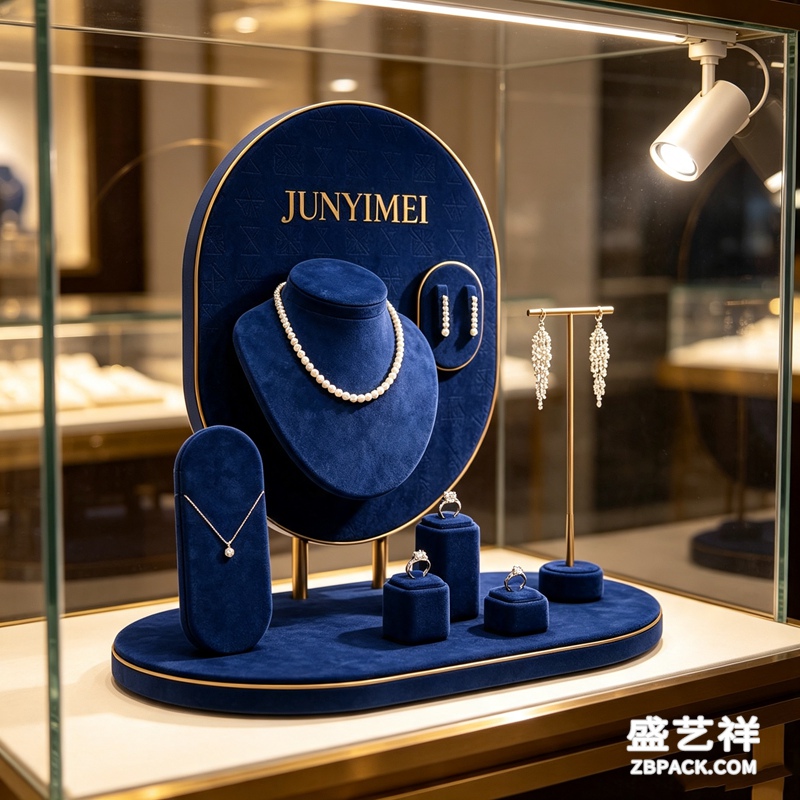 场景落地时,组合方案要跟着店铺的动线走。柜台展示区摆放展示托盘,店员补货时直接从货架下层抽出对应收纳盒,无需跨库房搬运整箱货品;闭店后,把托盘从柜台移入收纳盒的标准层位,整盒推入储物柜。这样一套动作下来,陈列与收纳的切换时间可以压缩到几分钟内,晚班交接时尤其省事。节庆换主题时,也只需替换托盘层的绒面色或槽位布局,收纳盒壳体保持不变,主题切换成本低、变更速度快。
这套组合方案的商业价值在于"一套钱办两件事"。相比分别采购展示托盘与收纳盒,组合方案在结构上共用外框与五金,采购单价通常更低,仓储却减少了一半的品类。更重要的是,陈列与收纳使用同一视觉语言之后,顾客在柜台看到的托盘与店员在库房看到的盒子是一套体系,品牌的管理秩序感会传递到陈列细节上,这是单买托盘或单买盒子很难实现的附加价值。
展示托盘与收纳盒的组合,本质是把珠宝店内"给人看"与"给自己用"的两套工具合并成一套系统。模块化规格、主绒副格结构、统一的材质语言,三个设计要点环环相扣。对正在优化柜台空间、梳理货品流转的珠宝品牌来说,从一套组合方案开始,往往能顺带把陈列标准与库存管理一起理顺。
The boundary of jewelry packaging is extending: boxes are no longer only containers, trays are no longer only counter props, and the two are penetrating each other. The combination of display trays and storage boxes is a product type born from this trend - the same structure serves as a display tray on the counter and a storage box in the warehouse. One item for two uses saves space and unifies the visual of display and storage. This is especially practical for brands with limited counter space and a pursuit of display consistency.
There are three basic forms. The first is the in-box tray: a removable tray inside a storage box, displaying when open and storing when closed, common for ring and pendant premium items. The second is the stacked tray: several thin trays stacked vertically, each an independent tray, single layers pulled out for counter display and stacked in cabinets otherwise, suitable for earrings and bracelets in large quantities. The third is the flip tray: one side velvet display, the other side storage cells, flipping to switch functions. The three forms suit different categories and scenes, and brands can combine them according to product structure.
Tray and box dimensions should follow a modular approach. Take a universal module as the base, for example tray length and width rounded to multiples of six or eight centimeters, and box layer height as tray height plus one centimeter. Modularity brings flexible replacement: a damaged single tray is replaced alone, not the whole set; new products can add layers in existing boxes. Trays of the same module move freely between display cabinets and storage cabinets, sharing one specification for counter display and warehouse management.
Lining and storage structure must serve both scenes. Display requires beautiful velvet and fixed slots; storage requires isolation and stable stacking. A "main velvet plus secondary cells" structure works: the tray main face uses short-pile velvet with slots cut to product contours for display; the tray back or box interior has shallow cells and dividers for storing. Slot depth should be about half the product height, standing firmly when displayed and preventing scratches when stored. Stacking stability comes from locating posts at box corners and holes at tray corners.
On materials, balance display texture and storage durability. Tray bodies often use density board with velvet wrapping, moderate weight and crisp surface for long display; box shells use thickened gray board or lightweight ABS, pressure-resistant and moisture-proof for stacking. Surface craft matches counter props, such as matte treatment in the same color family, so storage boxes do not look odd on the counter. Simplify hardware; share one mold for detachable buckles and handles to lower unit cost. Reserve a desiccant position inside the box for long-term storage.
In practice, the combination follows store traffic flow. Display trays sit in counter zones; staff pull the corresponding storage box from a lower shelf for restocking without carrying whole cartons across the warehouse; after closing, trays move back into standard box layers and the whole box slides into the cabinet. Switching between display and storage can be compressed to minutes, especially convenient at evening handover. For festival theme changes, only replace the tray velvet color or slot layout while shells stay, making theme change cheap and fast.
The commercial value is "one purchase does two jobs". Compared with buying trays and boxes separately, the combination shares outer frames and hardware, usually at a lower unit price, while halving storage categories. More importantly, with display and storage under one visual language, the tray customers see and the box staff see form one system; the brand's management order is conveyed into display details, an added value hard to achieve by buying trays or boxes alone.
The combination of display trays and storage boxes essentially merges two sets of tools - for showing customers and for internal use - into one system. Modular specifications, main-velvet secondary-cell structure and a unified material language are three interlocking design points. For jewelry brands optimizing counter space and streamlining goods flow, starting with one combination plan often straightens out display standards and inventory management together.
返回资讯列表
Back To News List
组合方案的基本形态有三种。第一种是盒内托盘式,收纳盒内嵌可取出托盘,开盒即展示,合盒即收纳,最常见于戒指与吊坠的精品款;第二种是层叠托盘式,多个薄托盘上下叠放,每层独立成盘,需要展示时单层抽出放进柜台,平时叠置于储物柜内,适合耳饰与手链这类数量多的品类;第三种是可翻转托盘式,托盘一面为陈列绒面、另一面为收纳格面,翻转即可切换,一个托盘完成两种职能。三种形态对应不同品类与场景,品牌方可以根据货品结构组合选用。
托盘与收纳盒的尺寸设计要遵循"模块化"思路。以通用模数为基准,比如托盘长宽按六厘米、八厘米的倍数取整,收纳盒的层高按托盘高度加一厘米叠加。模块化带来的直接好处是替换灵活:某一品类的托盘损坏或更新时,只需更换单层,不需要整体重做;新品上市需要新增托盘时,也可以在现有收纳盒内直接增加层位。同模块的托盘可以在展示柜与收纳柜之间自由移动,柜台陈列与库房管理共用一套规格,减少了重复采购。
内衬与收纳结构要兼顾两种场景的诉求。展示状态要求绒面美观、槽位固定,收纳状态要求隔离防碰、堆叠稳定。设计上可以采取"主绒副格"结构:托盘主面用短毛植绒,按产品轮廓开槽,负责展示;托盘背面或盒体内侧设浅格与隔条,负责分格收纳。绒面开槽的深度建议为产品高度的二分之一上下,既能在展示时立得住,也能在收纳时防止相互刮碰。堆叠稳定靠盒体四角的定位柱与托盘四角的定位孔实现,叠放时一一对应,搬动时不会错位滑移。
材质选择上,组合方案要在展示质感与收纳耐用之间取平衡。托盘本体常用密度板加绒布包覆,分量适中、绒面挺括,适合长期展示;收纳盒外壳则建议使用加厚的灰板或轻质ABS,耐压防潮,满足堆叠存放的需求。盒体的表面工艺与柜台道具保持一致,比如同色系哑光处理,让收纳盒摆上柜台时不显得突兀。五金件尽量精简,常用的可拆卸锁扣与提手可以共用一套模具,降低单件成本。防潮方面,收纳盒内预留干燥剂位,长期存储时放入干燥剂包,保护绒面与产品。
场景落地时,组合方案要跟着店铺的动线走。柜台展示区摆放展示托盘,店员补货时直接从货架下层抽出对应收纳盒,无需跨库房搬运整箱货品;闭店后,把托盘从柜台移入收纳盒的标准层位,整盒推入储物柜。这样一套动作下来,陈列与收纳的切换时间可以压缩到几分钟内,晚班交接时尤其省事。节庆换主题时,也只需替换托盘层的绒面色或槽位布局,收纳盒壳体保持不变,主题切换成本低、变更速度快。
这套组合方案的商业价值在于"一套钱办两件事"。相比分别采购展示托盘与收纳盒,组合方案在结构上共用外框与五金,采购单价通常更低,仓储却减少了一半的品类。更重要的是,陈列与收纳使用同一视觉语言之后,顾客在柜台看到的托盘与店员在库房看到的盒子是一套体系,品牌的管理秩序感会传递到陈列细节上,这是单买托盘或单买盒子很难实现的附加价值。
展示托盘与收纳盒的组合,本质是把珠宝店内"给人看"与"给自己用"的两套工具合并成一套系统。模块化规格、主绒副格结构、统一的材质语言,三个设计要点环环相扣。对正在优化柜台空间、梳理货品流转的珠宝品牌来说,从一套组合方案开始,往往能顺带把陈列标准与库存管理一起理顺。
The boundary of jewelry packaging is extending: boxes are no longer only containers, trays are no longer only counter props, and the two are penetrating each other. The combination of display trays and storage boxes is a product type born from this trend - the same structure serves as a display tray on the counter and a storage box in the warehouse. One item for two uses saves space and unifies the visual of display and storage. This is especially practical for brands with limited counter space and a pursuit of display consistency.
There are three basic forms. The first is the in-box tray: a removable tray inside a storage box, displaying when open and storing when closed, common for ring and pendant premium items. The second is the stacked tray: several thin trays stacked vertically, each an independent tray, single layers pulled out for counter display and stacked in cabinets otherwise, suitable for earrings and bracelets in large quantities. The third is the flip tray: one side velvet display, the other side storage cells, flipping to switch functions. The three forms suit different categories and scenes, and brands can combine them according to product structure.
Tray and box dimensions should follow a modular approach. Take a universal module as the base, for example tray length and width rounded to multiples of six or eight centimeters, and box layer height as tray height plus one centimeter. Modularity brings flexible replacement: a damaged single tray is replaced alone, not the whole set; new products can add layers in existing boxes. Trays of the same module move freely between display cabinets and storage cabinets, sharing one specification for counter display and warehouse management.
Lining and storage structure must serve both scenes. Display requires beautiful velvet and fixed slots; storage requires isolation and stable stacking. A "main velvet plus secondary cells" structure works: the tray main face uses short-pile velvet with slots cut to product contours for display; the tray back or box interior has shallow cells and dividers for storing. Slot depth should be about half the product height, standing firmly when displayed and preventing scratches when stored. Stacking stability comes from locating posts at box corners and holes at tray corners.
On materials, balance display texture and storage durability. Tray bodies often use density board with velvet wrapping, moderate weight and crisp surface for long display; box shells use thickened gray board or lightweight ABS, pressure-resistant and moisture-proof for stacking. Surface craft matches counter props, such as matte treatment in the same color family, so storage boxes do not look odd on the counter. Simplify hardware; share one mold for detachable buckles and handles to lower unit cost. Reserve a desiccant position inside the box for long-term storage.
In practice, the combination follows store traffic flow. Display trays sit in counter zones; staff pull the corresponding storage box from a lower shelf for restocking without carrying whole cartons across the warehouse; after closing, trays move back into standard box layers and the whole box slides into the cabinet. Switching between display and storage can be compressed to minutes, especially convenient at evening handover. For festival theme changes, only replace the tray velvet color or slot layout while shells stay, making theme change cheap and fast.
The commercial value is "one purchase does two jobs". Compared with buying trays and boxes separately, the combination shares outer frames and hardware, usually at a lower unit price, while halving storage categories. More importantly, with display and storage under one visual language, the tray customers see and the box staff see form one system; the brand's management order is conveyed into display details, an added value hard to achieve by buying trays or boxes alone.
The combination of display trays and storage boxes essentially merges two sets of tools - for showing customers and for internal use - into one system. Modular specifications, main-velvet secondary-cell structure and a unified material language are three interlocking design points. For jewelry brands optimizing counter space and streamlining goods flow, starting with one combination plan often straightens out display standards and inventory management together.