首饰盒的开箱仪式感:从盒型到内衬的体验设计盛艺祥 · 行业资讯
首饰盒的开箱仪式感:从盒型到内衬的体验设计 The Unboxing Ritual of Jewelry Boxes: Experience Design from Box Shape to Lining
开箱,是珠宝交付流程里被低估的最后一步。顾客在柜台前已经看过、试过、比过,真正让他在离店后仍不断回忆起这次购买的,往往是打开首饰盒那几秒钟的手感与节奏:盒盖掀起的阻尼、绒布摩擦的轻响、内衬稳稳托住主石的角度。这些细节集合起来,就是开箱仪式感。对珠宝包装设计而言,仪式感不是玄学,而是可以用盒型、结构与内衬工艺逐项落地的体验工程。本文从这三个层面拆解一套可执行的开箱体验设计方案。
 盒型决定开箱的节奏。常见的翻盖盒开合直接、动作利落,适合日常高频取用的银饰与时尚饰品;磁吸盖盒盖与盒身之间没有铰链,开盖时干脆合缝,更适合年轻客群的轻奢线。若想拉长仪式感,可以选择天地盖或侧开的皮盒:天地盖需要双手配合,盒盖提起的瞬间,内衬与首饰一同呈现,有一种揭幕的意味;侧开盒则在侧面设置铰链,开启方向与视线垂直,适合在柜台演示时逐层展示。盒盖开启角度也值得计算,落在九十到一百一十度之间时,顾客无需扶住盒盖即可单手取物,体验最顺手;角度过小会挡住视线,过大则盒盖易倾倒,反而破坏了节奏。
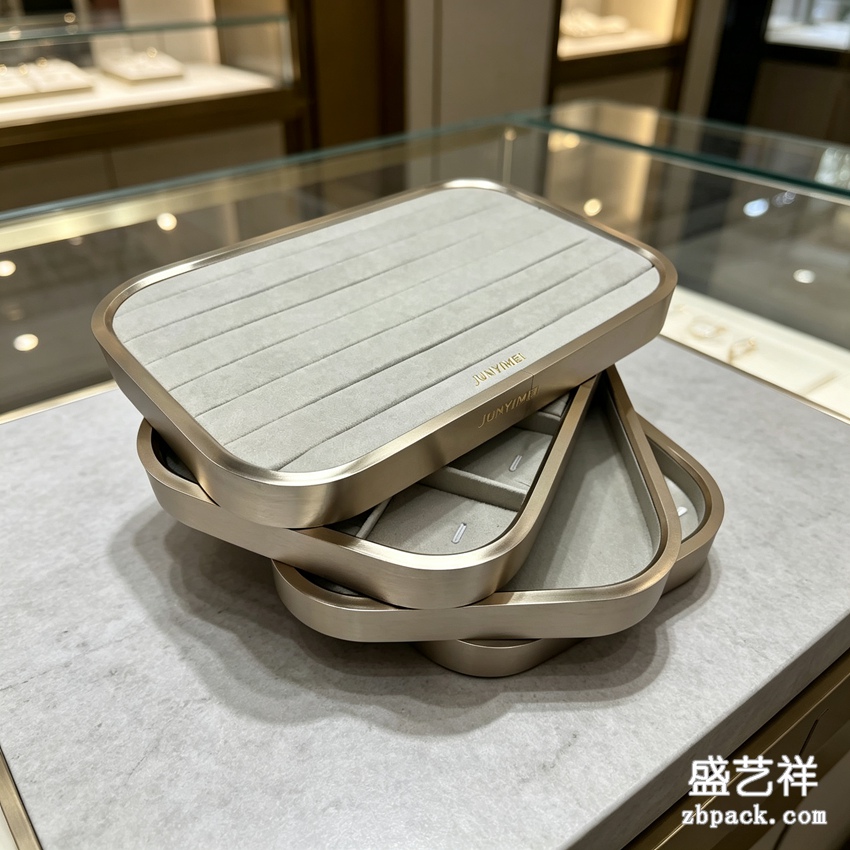
 结构设计负责承接首饰的姿态。开箱瞬间的亮相感,主要来自内衬对首饰的定位方式。最常用的U形槽托工艺,用珍珠棉或植绒板铣出与首饰轮廓一致的槽位,戒指、耳钉放入后稳稳卡住,即使盒体翻转也不移位,适合单个主推产品。多格翻盖盒则用隔条分区,每格底部加高密度海绵垫,小件饰品嵌入后与绒面齐平,顾客打开时看到的是整洁阵列。近两年流行的悬浮托工艺更有仪式感:首饰被细缝的透明尼龙丝或硅胶圈托起,视觉上与内衬表面分离,灯光下像悬浮在盒中,贵重主石款尤其受用。但悬浮托对组装精度要求高,槽位偏差超过一毫米就会出现歪斜,量产前务必做首件检验。
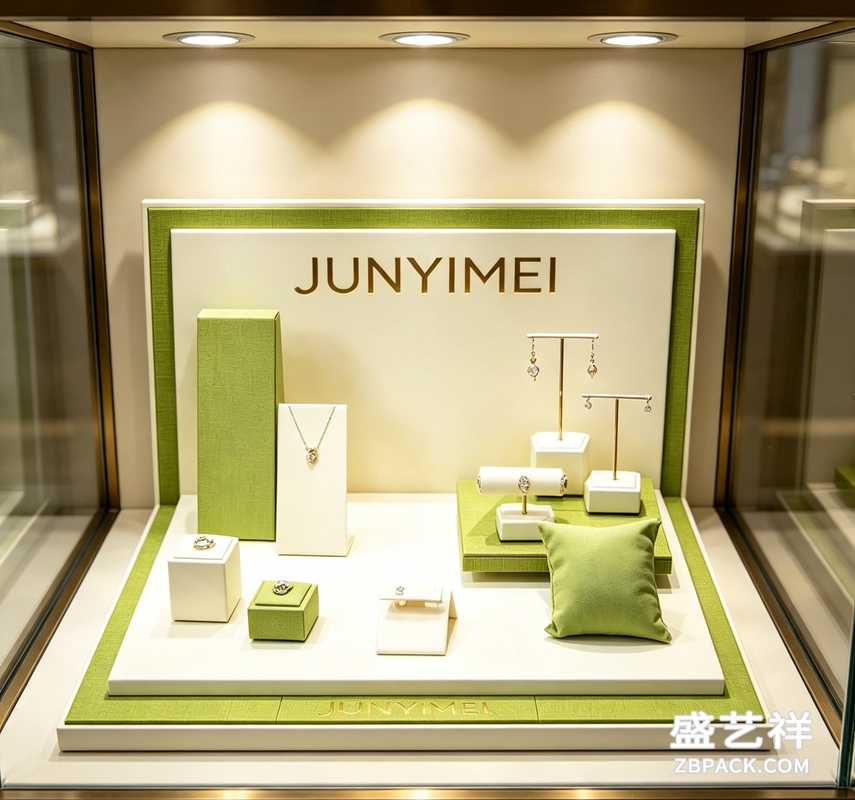
内衬面料与色彩决定手感与情绪。开箱时手指最先接触的是绒面,面料密度直接影响手感等级:普通短毛绒触感柔软但光泽平淡,适合简约银饰;真丝天鹅绒绒毛更长、光泽随光线流动,配合暖色灯光能形成高级的华丽感,适合婚礼与纪念日场景;麂皮绒触感细腻涩感适中,防滑性好,适合深色产品线。内衬颜色并不等于品牌色,而是要与首饰本身的材质对比:黄金与玫瑰金适合墨绿、酒红等深色绒面,依靠明暗反差突出金属光泽;白金与钻石适合浅灰、米白绒面,避免深色把宝石的闪烁吞掉。若一条产品线横跨多类材质,建议采用可拆卸的内衬托盘,按品类换装,用同一只盒子完成不同系列的呈现。
最后是包装层级的配合。仪式感的峰值往往不在打开首饰盒那一刻,而在层层打开的过程:外盒的哑光纸面、烫金标识的第一印象,丝带或封条的拆解动作,再到首饰盒本身。三层结构比两层多出一个悬念节拍,但也不宜超过四层,过多的包装会让顾客觉得繁琐,也会抬高包装与运输成本。内衬中还可预埋一枚品牌卡片或保养说明卡,位置固定在盒盖内侧,顾客打开盒盖的视线终点恰好落在这张卡片上,这是成本最低却最有效的品牌记忆点。
开箱仪式感的本质,是让顾客在购买行为结束后,再获得一次完整的品牌体验。盒型控制节奏,结构决定亮相,面料传递情绪,三层设计共同完成这次体验的闭环。对珠宝品牌而言,首饰盒不是产品的容器,而是销售过程的收尾句——这句话说得好,顾客就会愿意把下一次购买也交给同样的包装。
Unboxing is an often overlooked final step in the jewelry delivery process. By the time customers reach the counter, they have already seen, tried and compared. What truly makes them recall the purchase long after leaving the store is often the feel and rhythm of those few seconds when the box opens: the damping of the lifted lid, the soft rustle of velvet, the angle at which the lining cradles the main stone. Together, these details create what can be called the unboxing ritual. For jewelry packaging design, ritual is not mysticism but an experience engineering project that can be implemented item by item through box shape, structure and lining techniques. This article breaks down a practical unboxing experience design plan from these three aspects.
Box shape determines the rhythm of opening. The common hinged lid opens directly and smoothly, suitable for silver and fashion accessories that are taken out frequently. Magnetic lid boxes have no hinge between lid and body, closing with a crisp fit, which suits young, accessible luxury lines. To prolong the ritual, choose two-piece or side-opening leather boxes: the two-piece lid requires both hands, and the moment the lid is lifted, the lining and jewelry appear together with a sense of unveiling. A side-opening box places the hinge laterally, with the opening direction perpendicular to the line of sight, ideal for layered demonstration at the counter. The opening angle deserves calculation: between 90 and 110 degrees, customers can take out items with one hand without holding the lid, the most comfortable experience. Too small an angle blocks the view, while too large a one makes the lid prone to falling, breaking the rhythm.
Structure design takes charge of presenting the jewelry. The sense of reveal at the moment of opening mainly comes from how the lining positions the jewelry. The most common U-shaped groove process uses pearl cotton or flocked board milled with a groove matching the jewelry profile. Rings and earrings sit firmly in place and do not shift even if the box is turned over, suitable for single hero products. Multi-grid hinged boxes use dividers for zones, with a high-density foam pad at the bottom of each grid, so small pieces sit flush with the velvet surface, presenting a neat array when opened. The floating holder technique popular in recent years adds more ritual: the jewelry is suspended by fine nylon threads or silicone rings, visually separated from the lining surface, appearing to float under light, especially favored for precious center stones. However, floating holders demand high assembly precision; a groove deviation of more than one millimeter causes tilting, so first-article inspection before mass production is essential.
Lining fabric and color determine touch and mood. When opening the box, fingers first contact the velvet, and fabric density directly affects perceived quality: ordinary short pile velvet is soft but plain in luster, suitable for minimalist silver; silk velvet has longer fibers and luster that flows with light, creating an upscale feel under warm lighting, ideal for weddings and anniversaries; suede feels fine with moderate friction, resistant to slipping, and suits deep-toned product lines. Lining color does not necessarily equal brand color but must contrast with the jewelry material itself: gold and rose gold suit dark green, wine red and other deep velvet, using light-dark contrast to highlight metallic luster; white gold and diamonds suit light gray and off-white velvet, avoiding deep colors that swallow the sparkle. If a product line spans multiple materials, consider removable lining trays that can be swapped by category, using one box for different collections.
Finally, coordinate the packaging layers. The peak of ritual often occurs not when the jewelry box opens, but during the layered opening process: the first impression of the matte paper and foil-stamped logo of the outer box, the action of untying the ribbon or seal, and then the jewelry box itself. Three layers create one more suspense beat than two, but should not exceed four layers, as too much packaging feels cumbersome and raises packaging and shipping costs. A brand card or care instruction card can be embedded in the lining, fixed on the inside of the lid, so the endpoint of the customer's gaze when lifting the lid falls exactly on this card-the lowest-cost yet most effective brand memory point.
The essence of the unboxing ritual is to give customers one more complete brand experience after the purchase itself. The box shape controls rhythm, the structure decides the reveal, and the fabric conveys emotion; the three layers together complete the loop of this experience. For jewelry brands, the box is not a container for the product but the closing sentence of the sales process. If that sentence is well delivered, customers will be willing to entrust their next purchase to the same packaging.
返回资讯列表
Back To News List
盒型决定开箱的节奏。常见的翻盖盒开合直接、动作利落,适合日常高频取用的银饰与时尚饰品;磁吸盖盒盖与盒身之间没有铰链,开盖时干脆合缝,更适合年轻客群的轻奢线。若想拉长仪式感,可以选择天地盖或侧开的皮盒:天地盖需要双手配合,盒盖提起的瞬间,内衬与首饰一同呈现,有一种揭幕的意味;侧开盒则在侧面设置铰链,开启方向与视线垂直,适合在柜台演示时逐层展示。盒盖开启角度也值得计算,落在九十到一百一十度之间时,顾客无需扶住盒盖即可单手取物,体验最顺手;角度过小会挡住视线,过大则盒盖易倾倒,反而破坏了节奏。
结构设计负责承接首饰的姿态。开箱瞬间的亮相感,主要来自内衬对首饰的定位方式。最常用的U形槽托工艺,用珍珠棉或植绒板铣出与首饰轮廓一致的槽位,戒指、耳钉放入后稳稳卡住,即使盒体翻转也不移位,适合单个主推产品。多格翻盖盒则用隔条分区,每格底部加高密度海绵垫,小件饰品嵌入后与绒面齐平,顾客打开时看到的是整洁阵列。近两年流行的悬浮托工艺更有仪式感:首饰被细缝的透明尼龙丝或硅胶圈托起,视觉上与内衬表面分离,灯光下像悬浮在盒中,贵重主石款尤其受用。但悬浮托对组装精度要求高,槽位偏差超过一毫米就会出现歪斜,量产前务必做首件检验。
内衬面料与色彩决定手感与情绪。开箱时手指最先接触的是绒面,面料密度直接影响手感等级:普通短毛绒触感柔软但光泽平淡,适合简约银饰;真丝天鹅绒绒毛更长、光泽随光线流动,配合暖色灯光能形成高级的华丽感,适合婚礼与纪念日场景;麂皮绒触感细腻涩感适中,防滑性好,适合深色产品线。内衬颜色并不等于品牌色,而是要与首饰本身的材质对比:黄金与玫瑰金适合墨绿、酒红等深色绒面,依靠明暗反差突出金属光泽;白金与钻石适合浅灰、米白绒面,避免深色把宝石的闪烁吞掉。若一条产品线横跨多类材质,建议采用可拆卸的内衬托盘,按品类换装,用同一只盒子完成不同系列的呈现。
最后是包装层级的配合。仪式感的峰值往往不在打开首饰盒那一刻,而在层层打开的过程:外盒的哑光纸面、烫金标识的第一印象,丝带或封条的拆解动作,再到首饰盒本身。三层结构比两层多出一个悬念节拍,但也不宜超过四层,过多的包装会让顾客觉得繁琐,也会抬高包装与运输成本。内衬中还可预埋一枚品牌卡片或保养说明卡,位置固定在盒盖内侧,顾客打开盒盖的视线终点恰好落在这张卡片上,这是成本最低却最有效的品牌记忆点。
开箱仪式感的本质,是让顾客在购买行为结束后,再获得一次完整的品牌体验。盒型控制节奏,结构决定亮相,面料传递情绪,三层设计共同完成这次体验的闭环。对珠宝品牌而言,首饰盒不是产品的容器,而是销售过程的收尾句——这句话说得好,顾客就会愿意把下一次购买也交给同样的包装。
Unboxing is an often overlooked final step in the jewelry delivery process. By the time customers reach the counter, they have already seen, tried and compared. What truly makes them recall the purchase long after leaving the store is often the feel and rhythm of those few seconds when the box opens: the damping of the lifted lid, the soft rustle of velvet, the angle at which the lining cradles the main stone. Together, these details create what can be called the unboxing ritual. For jewelry packaging design, ritual is not mysticism but an experience engineering project that can be implemented item by item through box shape, structure and lining techniques. This article breaks down a practical unboxing experience design plan from these three aspects.
Box shape determines the rhythm of opening. The common hinged lid opens directly and smoothly, suitable for silver and fashion accessories that are taken out frequently. Magnetic lid boxes have no hinge between lid and body, closing with a crisp fit, which suits young, accessible luxury lines. To prolong the ritual, choose two-piece or side-opening leather boxes: the two-piece lid requires both hands, and the moment the lid is lifted, the lining and jewelry appear together with a sense of unveiling. A side-opening box places the hinge laterally, with the opening direction perpendicular to the line of sight, ideal for layered demonstration at the counter. The opening angle deserves calculation: between 90 and 110 degrees, customers can take out items with one hand without holding the lid, the most comfortable experience. Too small an angle blocks the view, while too large a one makes the lid prone to falling, breaking the rhythm.
Structure design takes charge of presenting the jewelry. The sense of reveal at the moment of opening mainly comes from how the lining positions the jewelry. The most common U-shaped groove process uses pearl cotton or flocked board milled with a groove matching the jewelry profile. Rings and earrings sit firmly in place and do not shift even if the box is turned over, suitable for single hero products. Multi-grid hinged boxes use dividers for zones, with a high-density foam pad at the bottom of each grid, so small pieces sit flush with the velvet surface, presenting a neat array when opened. The floating holder technique popular in recent years adds more ritual: the jewelry is suspended by fine nylon threads or silicone rings, visually separated from the lining surface, appearing to float under light, especially favored for precious center stones. However, floating holders demand high assembly precision; a groove deviation of more than one millimeter causes tilting, so first-article inspection before mass production is essential.
Lining fabric and color determine touch and mood. When opening the box, fingers first contact the velvet, and fabric density directly affects perceived quality: ordinary short pile velvet is soft but plain in luster, suitable for minimalist silver; silk velvet has longer fibers and luster that flows with light, creating an upscale feel under warm lighting, ideal for weddings and anniversaries; suede feels fine with moderate friction, resistant to slipping, and suits deep-toned product lines. Lining color does not necessarily equal brand color but must contrast with the jewelry material itself: gold and rose gold suit dark green, wine red and other deep velvet, using light-dark contrast to highlight metallic luster; white gold and diamonds suit light gray and off-white velvet, avoiding deep colors that swallow the sparkle. If a product line spans multiple materials, consider removable lining trays that can be swapped by category, using one box for different collections.
Finally, coordinate the packaging layers. The peak of ritual often occurs not when the jewelry box opens, but during the layered opening process: the first impression of the matte paper and foil-stamped logo of the outer box, the action of untying the ribbon or seal, and then the jewelry box itself. Three layers create one more suspense beat than two, but should not exceed four layers, as too much packaging feels cumbersome and raises packaging and shipping costs. A brand card or care instruction card can be embedded in the lining, fixed on the inside of the lid, so the endpoint of the customer's gaze when lifting the lid falls exactly on this card-the lowest-cost yet most effective brand memory point.
The essence of the unboxing ritual is to give customers one more complete brand experience after the purchase itself. The box shape controls rhythm, the structure decides the reveal, and the fabric conveys emotion; the three layers together complete the loop of this experience. For jewelry brands, the box is not a container for the product but the closing sentence of the sales process. If that sentence is well delivered, customers will be willing to entrust their next purchase to the same packaging.