首饰盒大货怎么抽查:批次、抽样与五金一致性清单盛艺祥 · 行业资讯
首饰盒大货怎么抽查:批次、抽样与五金一致性清单 How to Spot-Check a Bulk Order of Jewelry Boxes: Batches, Sampling and Hardware Consistency
首饰盒从打样走向大货,最大的风险往往不在图纸,而在批与批之间的一致性。同一款盒子,首批和次批之间,绒布颜色可能偏了半个色阶,开合手感也悄悄变了,单看每一只都没问题,摆在一起就露馅。品牌方收货前做抽检,不是不信任工厂,而是把"批次一致性"这件抽象的事,变成一套可以量化、可以执行的检查动作。对珠宝包装定制而言,抽检是成本最低的质量防线。本文给出一份大货抽检的完整清单:先分批次,再定抽样比例,然后按外观、绒布、五金、内衬四个维度逐项检查,最后登记归档。
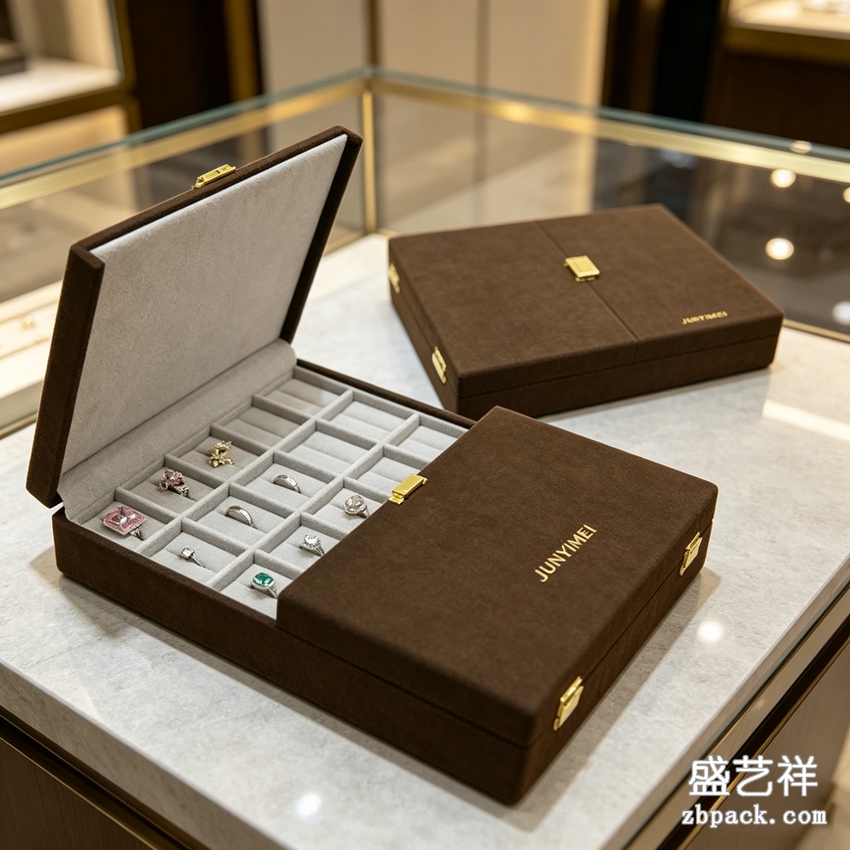 先分批次,再定抽样比例。大货到仓的第一步不是开箱验货,而是按生产工序分组:同一批面料、同一批五金配件、同一天装订的盒子归为一组,不同组的盒子绝不能混在一起抽。分组是抽检的地基,组分错了,后面所有数据都失去意义。抽样比例按批量浮动:数量在500只以下的批次,至少抽检10%;500到2000只的批次,抽检8%且不少于50只;2000只以上的,抽检5%以上。抽样必须随机,从每箱的上、中、下三层各取几只,避免只抽箱口的好盒子。抽出的每一只都要编号登记:批次号、箱号、位置、检查结果,一旦发现问题,能回溯到具体生产环节。
外观和绒布的一致性,是品牌质感的第一道关。把抽出的盒子并排摆开,在标准光源或自然光下整体扫一遍:绒布颜色是否均匀,同一批里有没有深浅不一的"花脸";车线是否顺直,边角是否圆润;Logo烫印的位置是否统一,深浅是否一致。绒布检查要重点看三处:盒盖内里、主格内衬、边条收口——这三处最容易出现色差和褶皱。用指腹顺着绒面划过,感受绒毛方向,顺毛与逆毛的色差在灯光下会被放大。若两只盒子的绒布颜色在肉眼可辨的范围内有明显差异,这一批就要整批隔离或返工,不要抱着"装进首饰就看不出来"的侥幸心理。
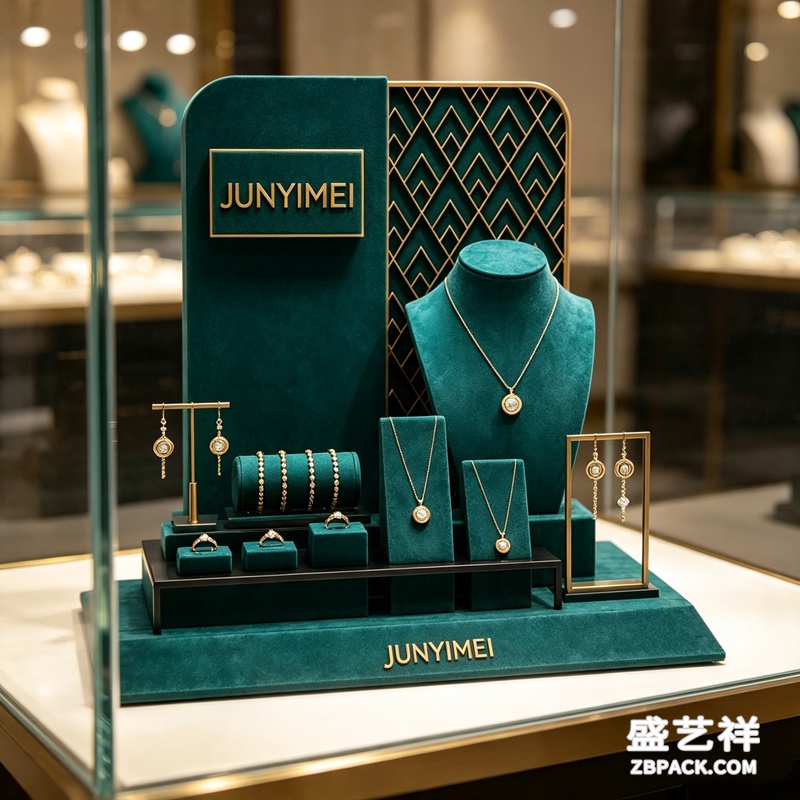 五金一致性,是"高级感"最诚实的检验。首饰盒好不好开合,第一手感在五金。以 ZBH 系列翻盖盒为例,逐只开合抽出的盒子:盒盖阻尼要均匀,盖到一半不应发涩,回弹不应过快;ZBH 系列磁吸盒的吸力要一致,不能让这只盒子啪地合上、那只盒子半天吸不拢;铰链和锁扣要位置端正,开合多次后不偏移、不异响。五金表面同样要查:电镀颜色统一,无明显划痕、氧化点或纹路,刻字深浅一致。抽检时准备一把小螺丝刀和一块软绒布,逐只开合十次,听声音、试手感——顺畅、吸实、无杂音是及格线,任何一只手感异常的盒子都应单独挑出复查。
内衬和结构,决定盒子"托不托得住货"。以 CC 系列展示盒和 TP 系列托盘为例:CC 系列戒指格的内径能否让戒臂放到底,项链托槽的深浅是否正好托住链坠,卡位的松紧是否适中——太松货品晃动,太紧取放困难。内衬要检查合模线、粘胶处是否溢胶、开胶,绒布与底板是否贴合起泡。再抽一到两只做耐久测试:开合一百次,观察第50次后是否出现异响,第100次后盒盖能否自然闭合到位。结构问题会随着使用次数放大,必须在出货前拦截,而不是等零售端甚至顾客端来买单。尺寸、松紧、耐久三项全过,内衬这关才算及格。
抽检收尾,做三件事。第一,记录归档:每批次的抽检表存档,写明合格率、问题分布和返工批次号,作为后续复检和与工厂对账的依据。第二,不合格批次按下限处理:色差超标的整批隔离,五金不良的先修再检,修过的盒子必须重新走一遍抽检流程,不能直接混入大货。第三,把抽检结果反馈给生产端,让同一问题不跨批次复发——哪道工序出的问题,就回到哪道工序去改。首饰盒的大货一致性不是运气,是每一批次用清单、用记录管出来的。对定制品牌而言,收货那天多花半天做抽检,远比出货后面对客诉和返工便宜得多。
When jewelry boxes move from sampling to bulk production, the greatest risk usually lies not in the drawings but in consistency between batches. Between the first and second batches, velvet color may drift half a shade and hinge feel may quietly change; each box alone looks fine, but placed side by side the differences show. Spot-checking before acceptance is not distrust of the factory; it turns the abstract idea of "batch consistency" into a measurable, executable set of checks. For custom jewelry packaging, inspection is the cheapest quality defense. This article provides a complete checklist for bulk inspection: group by batch, set the sampling ratio, then check appearance, velvet, hardware and lining item by item, and finally archive the records.
Group batches first, then set the sampling ratio. The first step when bulk goods arrive is not opening boxes randomly, but grouping by production process: boxes from the same fabric batch, the same hardware batch and the same assembly day belong to one group, and different groups must never be mixed when sampling. Grouping is the foundation; if groups are wrong, every number that follows is meaningless. The sampling ratio scales with order size: for batches under 500 pieces, inspect at least 10%; for 500 to 2000 pieces, inspect 8% and no fewer than 50 pieces; for more than 2000 pieces, inspect over 5%. Samples must be random, taken from the top, middle and bottom layers of each carton, rather than only the good boxes at the opening. Every sampled box is numbered and recorded with batch number, carton number, position and result, so problems can be traced back to the specific production step.
Consistency of appearance and velvet is the first gate of brand quality. Lay the sampled boxes side by side under a standard light source or natural light and scan them as a whole: is the velvet color uniform, any patchy shades within the same batch; are the stitches straight, corners rounded, Logo stamping positions consistent and depths even? Velvet inspection focuses on three areas: the inside of the lid, the main compartment lining and the edge trim-the places most prone to color deviation and wrinkles. Run a fingertip across the nap to feel its direction; the shade difference between with-nap and against-nap is magnified under light. If the velvet color of two boxes clearly differs to the naked eye, isolate or rework the whole batch. Do not console yourself that the difference will not be noticed once jewelry is placed inside.
Hardware consistency is the most honest test of a premium feel. Whether a jewelry box opens and closes well is felt first in the hardware. Open and close every sampled box one by one: take the ZBH series flip-top boxes as an example, lid damping should be even, without sticking mid-way or rebounding too fast; the magnetic closures of the ZBH series should match in strength, so no box snaps shut while another barely engages; hinges and locks should be straight, without shifting or rattling after repeated use. Surfaces matter too: plating color should be uniform, free of obvious scratches, oxidation or streaks, and engraving should be consistent in depth. During inspection, keep a small screwdriver and a soft cloth handy; open each box ten times, listening to the sound and feeling the action-smooth, firm, silent is the passing line. Any box feeling abnormal should be set aside and rechecked.
The lining and structure decide whether the box really holds the jewelry. Taking the CC series display boxes and TP series trays as examples, ring cells, earring cells and necklace grooves should be checked item by item against the drawing: does a CC series ring cell allow the shank to sit to the bottom, is the necklace groove deep enough to cradle the pendant, is the tension of the TP tray seats moderate-not so loose that pieces shift, not so tight that taking them out is a struggle. Check the lining for overflow or lifting glue along mold lines, and for bubbles where velvet meets the board. Then take one or two boxes for a durability test: open and close one hundred times, note whether abnormal sounds appear after the 50th cycle, and whether the lid still closes naturally at the 100th. Structural problems amplify with use and must be intercepted before shipment, rather than being paid for later at the retail end or by the customer.
At the end of inspection, do three things. First, archive the records: save each batch's inspection sheet with pass rate, problem distribution and rework batch numbers, as the basis for future re-checks and reconciliation with the factory. Second, handle failed batches at the lower bound: isolate entire batches with out-of-range color deviation, repair and re-inspect hardware defects, and make sure repaired boxes go through the full inspection flow again instead of being mixed back in. Third, feed the results back to production so the same problem does not recur across batches-find which process caused it and fix that process. Bulk consistency of jewelry boxes is not luck; it is managed batch by batch with checklists and records. For a custom brand, spending half a day on inspection at goods receipt is far cheaper than facing customer complaints and rework after shipment.
返回资讯列表
Back To News List
先分批次,再定抽样比例。大货到仓的第一步不是开箱验货,而是按生产工序分组:同一批面料、同一批五金配件、同一天装订的盒子归为一组,不同组的盒子绝不能混在一起抽。分组是抽检的地基,组分错了,后面所有数据都失去意义。抽样比例按批量浮动:数量在500只以下的批次,至少抽检10%;500到2000只的批次,抽检8%且不少于50只;2000只以上的,抽检5%以上。抽样必须随机,从每箱的上、中、下三层各取几只,避免只抽箱口的好盒子。抽出的每一只都要编号登记:批次号、箱号、位置、检查结果,一旦发现问题,能回溯到具体生产环节。
外观和绒布的一致性,是品牌质感的第一道关。把抽出的盒子并排摆开,在标准光源或自然光下整体扫一遍:绒布颜色是否均匀,同一批里有没有深浅不一的"花脸";车线是否顺直,边角是否圆润;Logo烫印的位置是否统一,深浅是否一致。绒布检查要重点看三处:盒盖内里、主格内衬、边条收口——这三处最容易出现色差和褶皱。用指腹顺着绒面划过,感受绒毛方向,顺毛与逆毛的色差在灯光下会被放大。若两只盒子的绒布颜色在肉眼可辨的范围内有明显差异,这一批就要整批隔离或返工,不要抱着"装进首饰就看不出来"的侥幸心理。
五金一致性,是"高级感"最诚实的检验。首饰盒好不好开合,第一手感在五金。以 ZBH 系列翻盖盒为例,逐只开合抽出的盒子:盒盖阻尼要均匀,盖到一半不应发涩,回弹不应过快;ZBH 系列磁吸盒的吸力要一致,不能让这只盒子啪地合上、那只盒子半天吸不拢;铰链和锁扣要位置端正,开合多次后不偏移、不异响。五金表面同样要查:电镀颜色统一,无明显划痕、氧化点或纹路,刻字深浅一致。抽检时准备一把小螺丝刀和一块软绒布,逐只开合十次,听声音、试手感——顺畅、吸实、无杂音是及格线,任何一只手感异常的盒子都应单独挑出复查。
内衬和结构,决定盒子"托不托得住货"。以 CC 系列展示盒和 TP 系列托盘为例:CC 系列戒指格的内径能否让戒臂放到底,项链托槽的深浅是否正好托住链坠,卡位的松紧是否适中——太松货品晃动,太紧取放困难。内衬要检查合模线、粘胶处是否溢胶、开胶,绒布与底板是否贴合起泡。再抽一到两只做耐久测试:开合一百次,观察第50次后是否出现异响,第100次后盒盖能否自然闭合到位。结构问题会随着使用次数放大,必须在出货前拦截,而不是等零售端甚至顾客端来买单。尺寸、松紧、耐久三项全过,内衬这关才算及格。
抽检收尾,做三件事。第一,记录归档:每批次的抽检表存档,写明合格率、问题分布和返工批次号,作为后续复检和与工厂对账的依据。第二,不合格批次按下限处理:色差超标的整批隔离,五金不良的先修再检,修过的盒子必须重新走一遍抽检流程,不能直接混入大货。第三,把抽检结果反馈给生产端,让同一问题不跨批次复发——哪道工序出的问题,就回到哪道工序去改。首饰盒的大货一致性不是运气,是每一批次用清单、用记录管出来的。对定制品牌而言,收货那天多花半天做抽检,远比出货后面对客诉和返工便宜得多。
When jewelry boxes move from sampling to bulk production, the greatest risk usually lies not in the drawings but in consistency between batches. Between the first and second batches, velvet color may drift half a shade and hinge feel may quietly change; each box alone looks fine, but placed side by side the differences show. Spot-checking before acceptance is not distrust of the factory; it turns the abstract idea of "batch consistency" into a measurable, executable set of checks. For custom jewelry packaging, inspection is the cheapest quality defense. This article provides a complete checklist for bulk inspection: group by batch, set the sampling ratio, then check appearance, velvet, hardware and lining item by item, and finally archive the records.
Group batches first, then set the sampling ratio. The first step when bulk goods arrive is not opening boxes randomly, but grouping by production process: boxes from the same fabric batch, the same hardware batch and the same assembly day belong to one group, and different groups must never be mixed when sampling. Grouping is the foundation; if groups are wrong, every number that follows is meaningless. The sampling ratio scales with order size: for batches under 500 pieces, inspect at least 10%; for 500 to 2000 pieces, inspect 8% and no fewer than 50 pieces; for more than 2000 pieces, inspect over 5%. Samples must be random, taken from the top, middle and bottom layers of each carton, rather than only the good boxes at the opening. Every sampled box is numbered and recorded with batch number, carton number, position and result, so problems can be traced back to the specific production step.
Consistency of appearance and velvet is the first gate of brand quality. Lay the sampled boxes side by side under a standard light source or natural light and scan them as a whole: is the velvet color uniform, any patchy shades within the same batch; are the stitches straight, corners rounded, Logo stamping positions consistent and depths even? Velvet inspection focuses on three areas: the inside of the lid, the main compartment lining and the edge trim-the places most prone to color deviation and wrinkles. Run a fingertip across the nap to feel its direction; the shade difference between with-nap and against-nap is magnified under light. If the velvet color of two boxes clearly differs to the naked eye, isolate or rework the whole batch. Do not console yourself that the difference will not be noticed once jewelry is placed inside.
Hardware consistency is the most honest test of a premium feel. Whether a jewelry box opens and closes well is felt first in the hardware. Open and close every sampled box one by one: take the ZBH series flip-top boxes as an example, lid damping should be even, without sticking mid-way or rebounding too fast; the magnetic closures of the ZBH series should match in strength, so no box snaps shut while another barely engages; hinges and locks should be straight, without shifting or rattling after repeated use. Surfaces matter too: plating color should be uniform, free of obvious scratches, oxidation or streaks, and engraving should be consistent in depth. During inspection, keep a small screwdriver and a soft cloth handy; open each box ten times, listening to the sound and feeling the action-smooth, firm, silent is the passing line. Any box feeling abnormal should be set aside and rechecked.
The lining and structure decide whether the box really holds the jewelry. Taking the CC series display boxes and TP series trays as examples, ring cells, earring cells and necklace grooves should be checked item by item against the drawing: does a CC series ring cell allow the shank to sit to the bottom, is the necklace groove deep enough to cradle the pendant, is the tension of the TP tray seats moderate-not so loose that pieces shift, not so tight that taking them out is a struggle. Check the lining for overflow or lifting glue along mold lines, and for bubbles where velvet meets the board. Then take one or two boxes for a durability test: open and close one hundred times, note whether abnormal sounds appear after the 50th cycle, and whether the lid still closes naturally at the 100th. Structural problems amplify with use and must be intercepted before shipment, rather than being paid for later at the retail end or by the customer.
At the end of inspection, do three things. First, archive the records: save each batch's inspection sheet with pass rate, problem distribution and rework batch numbers, as the basis for future re-checks and reconciliation with the factory. Second, handle failed batches at the lower bound: isolate entire batches with out-of-range color deviation, repair and re-inspect hardware defects, and make sure repaired boxes go through the full inspection flow again instead of being mixed back in. Third, feed the results back to production so the same problem does not recur across batches-find which process caused it and fix that process. Bulk consistency of jewelry boxes is not luck; it is managed batch by batch with checklists and records. For a custom brand, spending half a day on inspection at goods receipt is far cheaper than facing customer complaints and rework after shipment.