首饰盒的堆叠与抗压:整箱仓储里的生存法则盛艺祥 · 行业资讯
首饰盒的堆叠与抗压:整箱仓储里的生存法则 Stacking and Crush Resistance: How Jewelry Boxes Survive Bulk Storage
首饰盒从出厂到上柜,路上经历的不是一条丝绒大道,而是一段段硬碰硬的路程:整箱装车、层层堆码、叉车搬运、仓库久放、二次转库。很多定制商只在意盒子打开时的仪式感,却忽略了盒子在纸箱里的生存问题——到客户手里时,盒角塌了、盖面压出了印子、内衬变形,再美的开箱也成了事故现场。珠宝包装行业里有一句话:先扛得住仓库和货车,才谈得上柜台和礼赠。抗压与堆叠,是首饰盒的第一课。
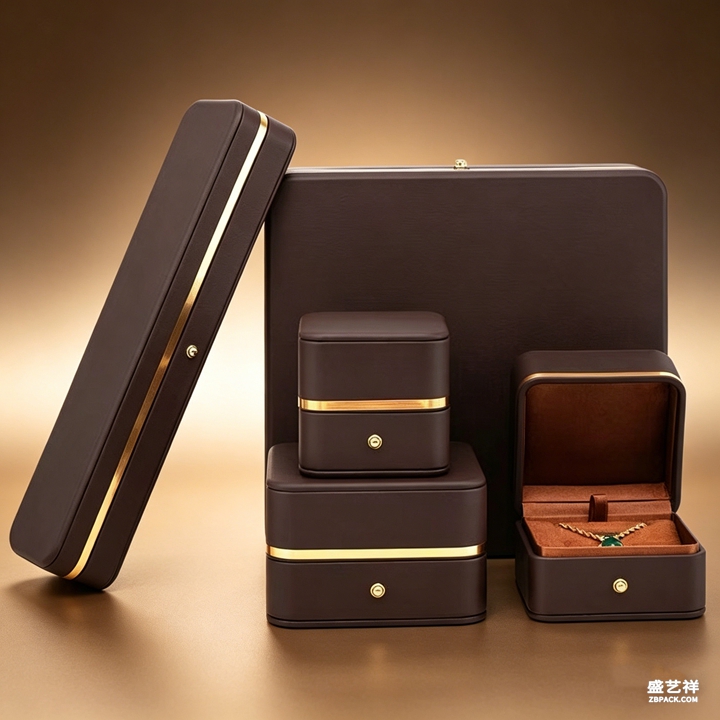 先看盒子的结构强度。首饰盒的抗压能力,第一来源是盒壁和盒底的承重结构。以天地盖盒型为例,ZBH13 系列的三层灰板盒壁,单盒空载可以支撑约三十公斤的静压,堆码五到八层完全不成问题;盒底若是整板结构而不是拼接结构,受压时力能均匀传递到四角,不会从中间塌陷。翻盖盒要看合页一侧的受力,抽拉盒则看底部滑轨的支撑。无论哪种盒型,四个盒角都值得重点加强:多数压痕都从边角开始,角部加厚或做圆角包边,能把局部压强分散掉。
选盒型也是在选抗压策略。同一批礼盒里,天地盖盒堆码表现最好,盒盖与盒身分离插合,受力均匀;翻盖盒由于合页一侧带铰链,堆码时最好错开铰链位置,或者盒盖朝下放置,让盖面压向盒身而不是压向合页;抽拉盒的抽屉口朝上堆码时,压重容易把抽屉压得合不拢,仓储时让抽屉口朝侧面摆放更稳妥。大货定制时如果知道运输和仓储的量比较大,可以优先考虑天地盖结构,CC20 系列这类展示盒因为盖面带视窗,堆码时要在视窗位置加防压条,避免多层重压让视窗变形。
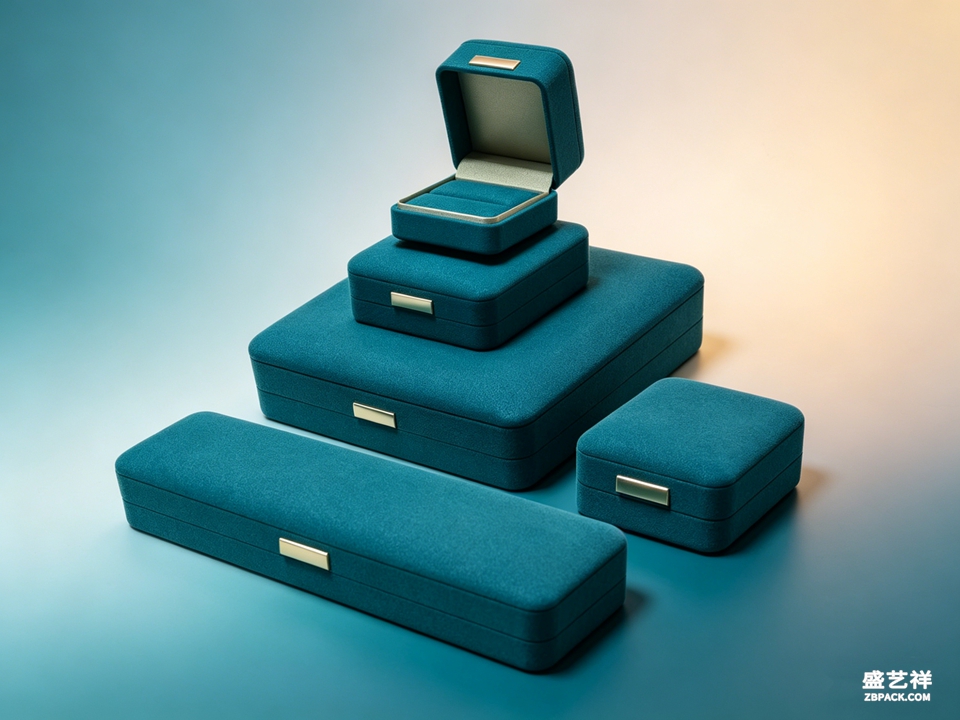 内衬不是只有好看的功能,它也在参与抗压。盒子受压时,最先变形的是空腔——盒盖和盒身之间的悬空区域压下去就回不来。所以内衬要“填得满、撑得住”:绒布内衬下面垫 EVA 泡棉或吸塑托板,把首饰卡槽之间的空隙填实;镂空设计的卡槽,深一点的托槽能托住项链坠子,让坠子在受压时落到泡棉上而不是悬空受压。整箱打包时,盒内如果放首饰,首饰的厚度要低于盒内托槽的深度,保证盒盖合上时里外不互相顶压;如果只装空盒,可以在每层垫一张薄瓦楞纸,把层与层之间的压力隔开。
仓储条件决定盒子能撑多久。纸类与木质首饰盒都怕潮怕晒:湿度一高,灰板吸潮变软,抗压能力断崖式下跌;阳光直射会让表层面料褪色发脆。仓库里要控制湿度在五十到六十之间,盒子下方垫托盘架空,离墙离地,避免直接贴地吸潮;码放时优先平放,竖放虽然省地方,但长条形的盒子竖放久了容易受重力影响变形。整箱的堆码高度也有限制,普通三层瓦楞外箱里装首饰盒,堆码建议不超过十层,超过就要加护角或改用五层瓦楞箱。箱体上要印清晰的堆码标识:向上箭头、最高层数、禁止压重。
外箱是首饰盒抗压的最后一道防线。外箱的瓦楞层数决定缓冲上限,三层箱适合同城短途,五层箱适合长途和层数高的堆码;箱内四角放护角、上下垫蜂窝纸板,能让单箱承重提升不少。整箱打包时把盒子码成“砖墙式”,上下层错缝排列,而不是垂直对齐——错缝能让上一层箱的接缝落在下一层箱的实面上,受力更均匀。箱体尺寸宁紧勿松,盒子在箱内晃动的每一厘米,都是运输路上的磨损来源。
最后是样箱压测这道验收关。大货装箱前抽一箱做最简单的静压测试:开箱检查有没有盒角塌陷、盖面留印、内衬变形;发货前再抽两箱做摔箱试验,,看外箱和内置盒的损伤情况。抗压数据不是喊出来的,是测出来的;把压测结果存档,既是给客户的交代,也是给生产线的改进依据。包装的生存法则,最终要落在不靠运气的数据上。
首饰盒的生存法则,说到底是一套系统:盒壁结构撑得住压力,内衬填得住空腔,仓储环境控得住潮气,外箱挡得住磕碰。每一层都牢靠,盒子才能从工厂一路体面地走到柜台。定制采购时把抗压写进验收清单,比到货后才发现压损再补货,划算得多。
A jewelry box does not travel a velvet road from the factory to the counter; it covers hard, unforgiving miles - loaded into cartons, stacked layer after layer, moved by forklift, stored in a warehouse, and transferred again. Many custom buyers obsess over the ritual of opening the box yet forget how the box survives inside its carton. When it finally reaches the customer with a crushed corner, a dented lid or deformed lining, the most beautiful unboxing becomes an accident scene. As they say in the jewelry packaging trade: survive the warehouse and the truck first; the counter and the gift moment come later. Crush resistance and stacking are lesson one for jewelry boxes.
Start with structural strength. A box's crush resistance comes first from the walls and bottom. Take the lid-and-base type: with a three-layer greyboard wall on the ZBH13 series, a single empty box supports roughly thirty kilograms of static pressure, so stacking five to eight layers is no problem at all. When the bottom is one solid board rather than a spliced assembly, pressure transmits evenly to the four corners instead of caving in the middle. For flip-lid boxes, watch the loading on the hinge side; for drawer boxes, look at how the bottom rails carry weight. In every style, reinforce the four corners - most dent lines start at the corners, and thickened or rounded corners spread local pressure.
Choosing a box style is choosing a stacking strategy. In the same bulk order, lid-and-base boxes stack best because the lid and body are separate, receiving pressure evenly. Flip-lid boxes have hinges on one side, so when stacked they should be offset to clear the hinge, or lie lid-down so the pressure goes into the body rather than the hinge. Drawer boxes stacked with the opening up tend to have drawers pressed shut; store them with the opening facing sideways. If the order is known to ship and store in volume, choose the lid-and-base structure. Boxes with display windows - like the CC20 series - need a pressure bar over the window when stacked, so several layers do not distort the window.
The lining is not just decorative; it also takes part in resisting pressure. Under pressure, the first thing to deform is the cavity - the empty space between lid and body collapses and never springs back. The lining should fill and support: velvet over EVA foam or a thermoformed insert, with the gaps between card slots filled solid. Deep slots in hollowed designs hold pendants so that under pressure the pendant lands on the foam instead of hanging suspended. When packing with jewelry inside, the jewelry's height must be lower than the slot depth so lid and contents do not press against each other; for empty boxes, lay a thin sheet of corrugated paper between layers to separate the pressure.
Storage conditions decide how long boxes survive. Paper and wood boxes hate both damp and direct sun: in high humidity, greyboard absorbs moisture and softens, and crush resistance drops sharply; direct sunlight fades and embrittles the surface fabric. Keep warehouse humidity between fifty and sixty percent, place boxes on pallets away from walls and floor, and prefer flat stacking - vertical storage saves space but long thin boxes deform over time. Carton stacking has its limit too: for three-layer corrugated cartons of jewelry boxes, keep the stack under ten layers; beyond that, add corner guards or switch to five-layer cartons. Print clear stacking marks on the carton: an up arrow, the maximum layer count, and no heavy loads on top.
The outer carton is the last line of defense. The number of corrugated layers decides the buffer ceiling: three-layer cartons suit short local trips, five-layer suit long hauls and tall stacks. Corner guards inside and honeycomb paper top and bottom raise single-carton capacity noticeably. Pack the boxes in a brick pattern, with layers offset rather than aligned, so the seams of one layer rest on the solid faces of the layer below and the load spreads evenly. Make the carton snug rather than loose - every centimeter of loose movement inside the box is a source of wear in transit.
The survival rules for jewelry boxes are, in the end, a system: walls that can bear pressure, linings that fill the cavities, a warehouse that controls humidity, and an outer carton that absorbs the knocks. When every layer is solid, the box can travel from the factory to the counter in good shape. Adding crush resistance to the acceptance checklist at procurement time costs far less than replacing damaged stock after arrival.
返回资讯列表
Back To News List
先看盒子的结构强度。首饰盒的抗压能力,第一来源是盒壁和盒底的承重结构。以天地盖盒型为例,ZBH13 系列的三层灰板盒壁,单盒空载可以支撑约三十公斤的静压,堆码五到八层完全不成问题;盒底若是整板结构而不是拼接结构,受压时力能均匀传递到四角,不会从中间塌陷。翻盖盒要看合页一侧的受力,抽拉盒则看底部滑轨的支撑。无论哪种盒型,四个盒角都值得重点加强:多数压痕都从边角开始,角部加厚或做圆角包边,能把局部压强分散掉。
选盒型也是在选抗压策略。同一批礼盒里,天地盖盒堆码表现最好,盒盖与盒身分离插合,受力均匀;翻盖盒由于合页一侧带铰链,堆码时最好错开铰链位置,或者盒盖朝下放置,让盖面压向盒身而不是压向合页;抽拉盒的抽屉口朝上堆码时,压重容易把抽屉压得合不拢,仓储时让抽屉口朝侧面摆放更稳妥。大货定制时如果知道运输和仓储的量比较大,可以优先考虑天地盖结构,CC20 系列这类展示盒因为盖面带视窗,堆码时要在视窗位置加防压条,避免多层重压让视窗变形。
内衬不是只有好看的功能,它也在参与抗压。盒子受压时,最先变形的是空腔——盒盖和盒身之间的悬空区域压下去就回不来。所以内衬要“填得满、撑得住”:绒布内衬下面垫 EVA 泡棉或吸塑托板,把首饰卡槽之间的空隙填实;镂空设计的卡槽,深一点的托槽能托住项链坠子,让坠子在受压时落到泡棉上而不是悬空受压。整箱打包时,盒内如果放首饰,首饰的厚度要低于盒内托槽的深度,保证盒盖合上时里外不互相顶压;如果只装空盒,可以在每层垫一张薄瓦楞纸,把层与层之间的压力隔开。
仓储条件决定盒子能撑多久。纸类与木质首饰盒都怕潮怕晒:湿度一高,灰板吸潮变软,抗压能力断崖式下跌;阳光直射会让表层面料褪色发脆。仓库里要控制湿度在五十到六十之间,盒子下方垫托盘架空,离墙离地,避免直接贴地吸潮;码放时优先平放,竖放虽然省地方,但长条形的盒子竖放久了容易受重力影响变形。整箱的堆码高度也有限制,普通三层瓦楞外箱里装首饰盒,堆码建议不超过十层,超过就要加护角或改用五层瓦楞箱。箱体上要印清晰的堆码标识:向上箭头、最高层数、禁止压重。
外箱是首饰盒抗压的最后一道防线。外箱的瓦楞层数决定缓冲上限,三层箱适合同城短途,五层箱适合长途和层数高的堆码;箱内四角放护角、上下垫蜂窝纸板,能让单箱承重提升不少。整箱打包时把盒子码成“砖墙式”,上下层错缝排列,而不是垂直对齐——错缝能让上一层箱的接缝落在下一层箱的实面上,受力更均匀。箱体尺寸宁紧勿松,盒子在箱内晃动的每一厘米,都是运输路上的磨损来源。
最后是样箱压测这道验收关。大货装箱前抽一箱做最简单的静压测试:开箱检查有没有盒角塌陷、盖面留印、内衬变形;发货前再抽两箱做摔箱试验,,看外箱和内置盒的损伤情况。抗压数据不是喊出来的,是测出来的;把压测结果存档,既是给客户的交代,也是给生产线的改进依据。包装的生存法则,最终要落在不靠运气的数据上。
首饰盒的生存法则,说到底是一套系统:盒壁结构撑得住压力,内衬填得住空腔,仓储环境控得住潮气,外箱挡得住磕碰。每一层都牢靠,盒子才能从工厂一路体面地走到柜台。定制采购时把抗压写进验收清单,比到货后才发现压损再补货,划算得多。
A jewelry box does not travel a velvet road from the factory to the counter; it covers hard, unforgiving miles - loaded into cartons, stacked layer after layer, moved by forklift, stored in a warehouse, and transferred again. Many custom buyers obsess over the ritual of opening the box yet forget how the box survives inside its carton. When it finally reaches the customer with a crushed corner, a dented lid or deformed lining, the most beautiful unboxing becomes an accident scene. As they say in the jewelry packaging trade: survive the warehouse and the truck first; the counter and the gift moment come later. Crush resistance and stacking are lesson one for jewelry boxes.
Start with structural strength. A box's crush resistance comes first from the walls and bottom. Take the lid-and-base type: with a three-layer greyboard wall on the ZBH13 series, a single empty box supports roughly thirty kilograms of static pressure, so stacking five to eight layers is no problem at all. When the bottom is one solid board rather than a spliced assembly, pressure transmits evenly to the four corners instead of caving in the middle. For flip-lid boxes, watch the loading on the hinge side; for drawer boxes, look at how the bottom rails carry weight. In every style, reinforce the four corners - most dent lines start at the corners, and thickened or rounded corners spread local pressure.
Choosing a box style is choosing a stacking strategy. In the same bulk order, lid-and-base boxes stack best because the lid and body are separate, receiving pressure evenly. Flip-lid boxes have hinges on one side, so when stacked they should be offset to clear the hinge, or lie lid-down so the pressure goes into the body rather than the hinge. Drawer boxes stacked with the opening up tend to have drawers pressed shut; store them with the opening facing sideways. If the order is known to ship and store in volume, choose the lid-and-base structure. Boxes with display windows - like the CC20 series - need a pressure bar over the window when stacked, so several layers do not distort the window.
The lining is not just decorative; it also takes part in resisting pressure. Under pressure, the first thing to deform is the cavity - the empty space between lid and body collapses and never springs back. The lining should fill and support: velvet over EVA foam or a thermoformed insert, with the gaps between card slots filled solid. Deep slots in hollowed designs hold pendants so that under pressure the pendant lands on the foam instead of hanging suspended. When packing with jewelry inside, the jewelry's height must be lower than the slot depth so lid and contents do not press against each other; for empty boxes, lay a thin sheet of corrugated paper between layers to separate the pressure.
Storage conditions decide how long boxes survive. Paper and wood boxes hate both damp and direct sun: in high humidity, greyboard absorbs moisture and softens, and crush resistance drops sharply; direct sunlight fades and embrittles the surface fabric. Keep warehouse humidity between fifty and sixty percent, place boxes on pallets away from walls and floor, and prefer flat stacking - vertical storage saves space but long thin boxes deform over time. Carton stacking has its limit too: for three-layer corrugated cartons of jewelry boxes, keep the stack under ten layers; beyond that, add corner guards or switch to five-layer cartons. Print clear stacking marks on the carton: an up arrow, the maximum layer count, and no heavy loads on top.
The outer carton is the last line of defense. The number of corrugated layers decides the buffer ceiling: three-layer cartons suit short local trips, five-layer suit long hauls and tall stacks. Corner guards inside and honeycomb paper top and bottom raise single-carton capacity noticeably. Pack the boxes in a brick pattern, with layers offset rather than aligned, so the seams of one layer rest on the solid faces of the layer below and the load spreads evenly. Make the carton snug rather than loose - every centimeter of loose movement inside the box is a source of wear in transit.
The survival rules for jewelry boxes are, in the end, a system: walls that can bear pressure, linings that fill the cavities, a warehouse that controls humidity, and an outer carton that absorbs the knocks. When every layer is solid, the box can travel from the factory to the counter in good shape. Adding crush resistance to the acceptance checklist at procurement time costs far less than replacing damaged stock after arrival.