贵金属首饰出口破百亿美元:14K金与培育钻石背后的包装考题盛艺祥 · 行业资讯
贵金属首饰出口破百亿美元:14K金与培育钻石背后的包装考题 Precious-Metal Jewelry Exports Pass USD 10 Billion: Packaging Tests Behind the 14K and Lab-Grown Boom
海关总署最新数据显示,今年前三季度我国贵金属或包贵金属首饰出口总额突破102亿美元,同比增长17.55%,出口规模大幅攀升;其中广东一省就贡献了约73亿美元,同比增幅超过36.54%。这组数据的背后,是“中国制造”首饰正在全球市场加速放量:既有镶嵌珍珠、宝石的贵金属首饰走俏欧美,也有14K金产品成为增长主力,还有一批工厂把培育钻石品类全面铺开、专门增设了新车间。出口增长带来的是实打实的订单,而订单背后,是首饰盒、展示盒与物流包装必须同步升级的考题——货卖得越远,包装越不能掉链子。
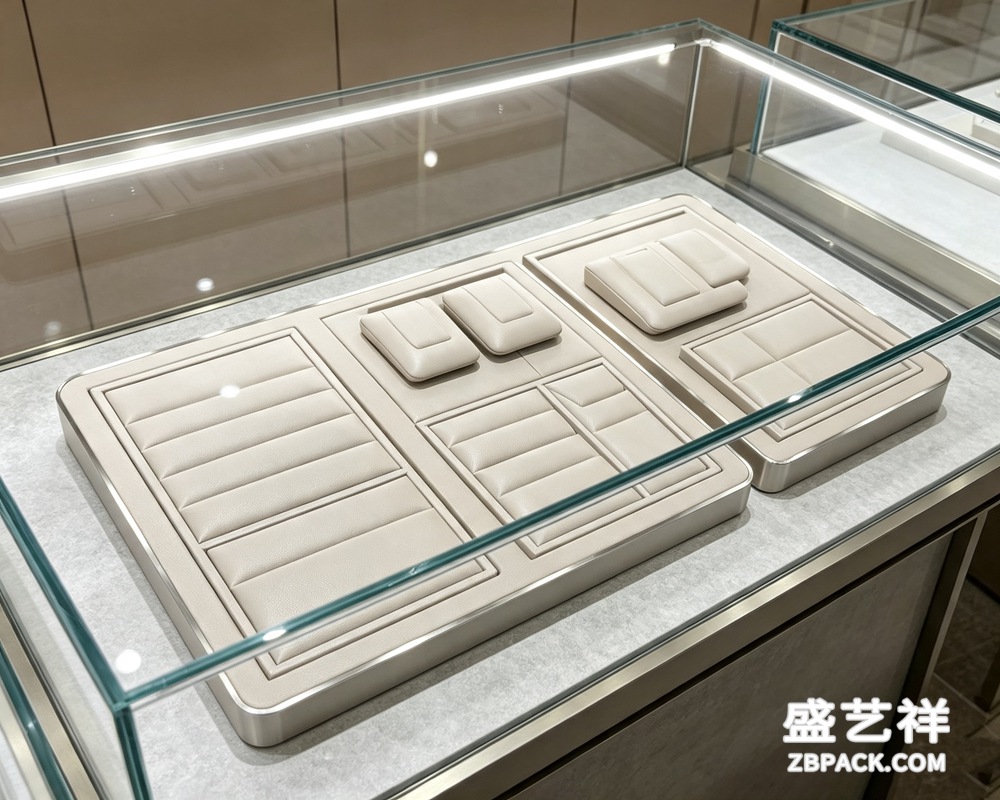 先看认证与材质这道门槛。出口首饰盒首先要过的是供应链合规关:欧美市场对甲醛释放、重金属含量、偶氮染料都有明确限定,儿童可接触的首饰收纳产品还要额外满足小部件与误吞风险测试。选材时优先考虑环保密度板、无醛纸板和食品级材质的内衬绒布,五金铰链与磁扣也要核对铅镉含量报告。对批量出货的客户,我们建议在样品阶段就完成整套测试文件的备份,并把每批次的检测报告随货归档——这不是流程负担,而是避免整柜被抽检退运的保险。材质与工艺讲清楚,客户才敢把海量订单交给你。
再看14K金与培育钻石这两类货品的特殊包装需求。14K金产品克重轻、款式密、颜色更丰富,出口包装要突出“轻而有序”:用带分格的海绵内衬把耳饰、戒指、吊坠分门别类固定,避免运输中互相刮擦;绒布颜色要衬得出金属色调,浅灰、深蓝、酒红都是常见搭配。培育钻石首饰则要走“高级感”路线,外盒压纹、内衬反绒、镶嵌展示托三件套几乎是标配,让客人在开箱瞬间感受到价值。参考我司ZBH10系列礼盒,多层抽屉式结构配合独立翻盖展示位,单个包装就能同时容纳戒指、吊坠与耳钉,深受跨境电商卖家欢迎;CC18系列则用磁吸翻盖与可拆内衬设计,兼顾展陈与减震,适合高单价培育钻石品类。
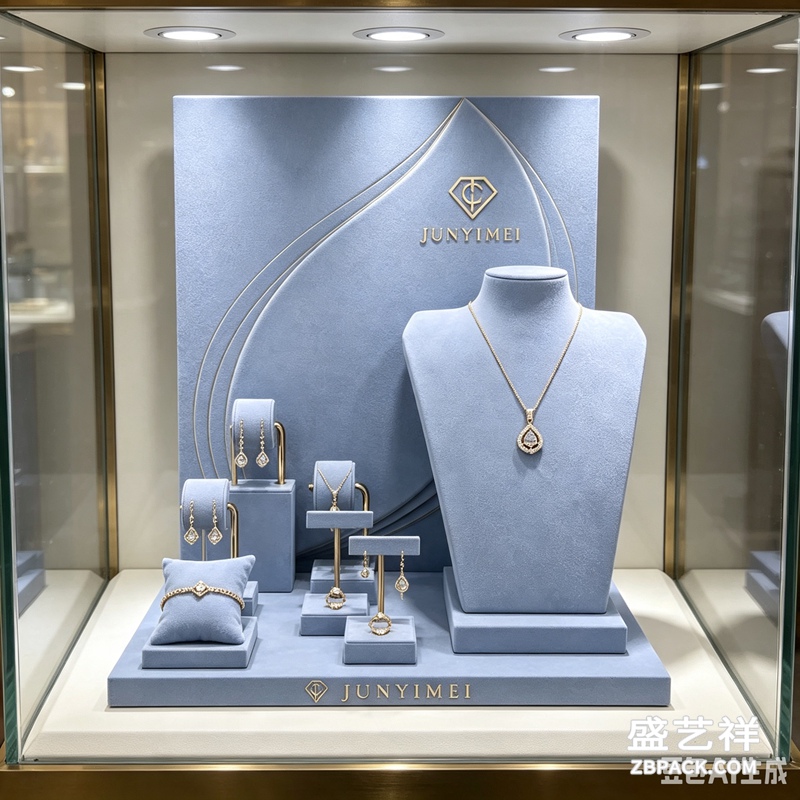 出口包装的另一个常见问题,是从样品到大货的“一致性”。很多客户看样品时非常满意,真正出货时却因为色差、绒布厚度、内衬开槽位置等原因反复返工。成熟的厂家会先把设计稿、打样确认单、现场照片与色卡一套留存,在大货生产前再打一次“产前样”,让客户确认后再投产,避免整批做完才发现细节不对。批量进口的首饰盒还要注意上下盖的紧配度与合页的耐用性:磁吸盖要测试开合次数,翻盖铰链要验证承重,珍珠棉内衬要根据货品尺寸微调开槽,而不是套用通用模具。出口订单最怕“小问题大返工”,前期多花一天确认,后期往往能省下一周的返工与空运费,这笔账一定要算清楚。
跨境电商卖家的订单则往往单品数量少、款式多,整箱混装几十个SKU是常态,对包装的“可识别性”提出更高要求:每个包装建议贴独立条码,箱内配装箱单,外箱标注箱号与SKU范围,方便海外仓与终端门店快速分拣。对高端线产品,还可以在包装内附上一张印有品牌信息的信封卡与保养说明卡,成本不高,却能明显提升客单价与复购率。首饰是情感属性极强的品类,买家收到包裹的那一刻,包装就是品牌发出的第一封情书——把“打开盒子”变成一个完整的体验流程,出口订单的溢价空间自然就出来了。
包装缓冲与整箱测试是出口的最后一公里。跨洋运输要经历多次装卸与堆压,单盒漂亮不够,整箱抗压才是关键。常规做法是内衬EVA或珍珠棉定位槽,单盒外再套气泡袋,装箱时层间纸板隔垫;出货前建议做一次跌落测试(60厘米高、边角着地)与整箱1米堆压测试,用数据替代“感觉没问题”。大货包装的标识也要按目的国规范执行:唛头、原产地标注、环保回收标志缺一不可,部分市场还要求提供可降解材料证明。包装上的每个细节都对应一笔真实成本与风险,把钱花在客户看得见的开箱体验上,比省在看不见的保护上更划算。
出口越旺,竞争越卷。当“中国首饰”从贴牌走向品牌,包装就是最早被客户摸到的品牌皮肤。这次的百亿美元出口数据提醒我们:与其在价格上互相挤压,不如在包装上建立差异化——同一款货品,换一套更有质感、更合规、更耐运输的包装,利润率往往能拉开好几个点。中宝包装专注首饰盒与珠宝包装十余年,ZBH、CC、TP等系列均支持定制尺寸、内衬结构与材质升级,可提供出口级材质测试文件与整箱包装方案,欢迎各出口企业与贸易商来图来样咨询。
Latest customs data show that China's exports of precious-metal or precious-metal-plated jewelry exceeded USD 10.2 billion in the first three quarters of this year, up 17.55% year on year, with Guangdong province alone contributing about USD 7.3 billion, up over 36.54%. Behind the numbers, Chinese-made jewelry is accelerating its global expansion: precious-metal pieces set with pearls and gemstones are selling well in Europe and the US, 14K gold products have become a growth engine, and a number of factories are rolling out lab-grown diamond categories with new dedicated workshops. Growing exports mean real orders, and orders pose an upgraded challenge for jewelry boxes, display boxes and shipping packaging: the farther goods travel, the less packaging can afford to fail.
The first threshold is certification and materials. Export jewelry boxes must clear supply-chain compliance: the EU and US markets set strict limits on formaldehyde, heavy metals and azo dyes, and jewelry storage that children may touch must additionally pass small-parts and choking-risk tests. Prefer eco-friendly MDF, formaldehyde-free paperboard and food-grade linings, and verify lead and cadmium reports for hinges and magnetic clasps. For bulk shipments, we recommend completing the full set of test documents at the sampling stage and archiving batch inspection reports with each shipment. This is not red tape; it is insurance against a whole container being rejected at inspection. Only when materials and processes are clearly documented will customers entrust you with huge orders.
14K gold and lab-grown diamond goods have special packaging needs. 14K pieces are light, dense and colorful; export packaging should emphasize "light but organized": foam inserts with compartments fix earrings, rings and pendants separately to avoid rubbing in transit, while velvet colors should flatter the metal, with light grey, navy and wine red as common choices. Lab-grown diamond jewelry calls for a premium route: embossed outer boxes, suede linings and setting display stands are almost standard, delivering an impressive unboxing moment. Our ZBH10 series gift boxes feature a multi-drawer structure with independent flip-up display positions, accommodating rings, pendants and earrings in one package, popular with cross-border sellers; the CC18 series uses magnetic flip lids and removable linings to balance display and cushioning, ideal for high-value lab-grown diamonds.
A common problem in export packaging is consistency from sampling to mass production. Customers are often very satisfied with the sample, but rework repeatedly over color difference, velvet thickness or insert slotting when goods actually ship. Established factories keep the design draft, sample confirmation form, photos and color cards on file, and make a "pre-production sample" for customer confirmation before mass production, avoiding the discovery of detail defects after the whole batch is finished. Bulk-import jewelry boxes also need attention to lid fit and hinge durability: magnetic lids should be tested for open-and-close cycles, flip hinges for load, and pearl-cotton inserts fine-tuned to product dimensions rather than using universal molds. Export orders fear "small problems, big rework" most; one extra day of confirmation up front often saves a week of rework and air freight.
Cross-border seller orders often feature many styles with small quantities per style, and a whole carton mixing dozens of SKUs is common, demanding better identifiability: attach an independent barcode to each package, include a packing list inside, and mark carton numbers and SKU ranges outside for fast sorting in overseas warehouses and stores. For premium lines, include a branded envelope card and a care-instruction card inside the package; the cost is low but perceived value and repurchase clearly improve. Jewelry is a strongly emotional category; the moment buyers receive the parcel, packaging is the first love letter from the brand. Turning "opening the box" into a complete experience naturally creates room for export premiums.
Cushioning and case-level testing are the last mile. Cross-ocean shipping involves multiple loadings and stack pressure; a beautiful individual box is not enough, and whole-case crush resistance matters. Common practice is EVA or pearl-cotton locating slots, bubble wrap around each box, and cardboard spacers between layers; before shipment, run a 60-cm corner-drop test and a 1-meter stacked compression test, letting data replace guesswork. Shipping marks must follow destination regulations: markings, country-of-origin labels and recycling symbols are indispensable, and some markets require biodegradable material statements. Every packaging detail corresponds to real cost and risk; spending on unboxing experience customers can see beats saving on protection they cannot.
The more exports grow, the more intense the competition. As Chinese jewelry moves from OEM to branding, packaging is the first brand skin customers touch. The USD 10 billion export figure reminds us: instead of squeezing price, differentiate through packaging. The same product with a more premium, more compliant, more transport-proof package can improve margins by several points. Zhongbao Packaging focuses on jewelry boxes for over a decade; ZBH, CC and TP series all support custom sizes, linings and material upgrades, with export-grade test documents and whole-case packaging solutions available. We welcome drawings and samples from exporters and traders.
返回资讯列表
Back To News List
先看认证与材质这道门槛。出口首饰盒首先要过的是供应链合规关:欧美市场对甲醛释放、重金属含量、偶氮染料都有明确限定,儿童可接触的首饰收纳产品还要额外满足小部件与误吞风险测试。选材时优先考虑环保密度板、无醛纸板和食品级材质的内衬绒布,五金铰链与磁扣也要核对铅镉含量报告。对批量出货的客户,我们建议在样品阶段就完成整套测试文件的备份,并把每批次的检测报告随货归档——这不是流程负担,而是避免整柜被抽检退运的保险。材质与工艺讲清楚,客户才敢把海量订单交给你。
再看14K金与培育钻石这两类货品的特殊包装需求。14K金产品克重轻、款式密、颜色更丰富,出口包装要突出“轻而有序”:用带分格的海绵内衬把耳饰、戒指、吊坠分门别类固定,避免运输中互相刮擦;绒布颜色要衬得出金属色调,浅灰、深蓝、酒红都是常见搭配。培育钻石首饰则要走“高级感”路线,外盒压纹、内衬反绒、镶嵌展示托三件套几乎是标配,让客人在开箱瞬间感受到价值。参考我司ZBH10系列礼盒,多层抽屉式结构配合独立翻盖展示位,单个包装就能同时容纳戒指、吊坠与耳钉,深受跨境电商卖家欢迎;CC18系列则用磁吸翻盖与可拆内衬设计,兼顾展陈与减震,适合高单价培育钻石品类。
出口包装的另一个常见问题,是从样品到大货的“一致性”。很多客户看样品时非常满意,真正出货时却因为色差、绒布厚度、内衬开槽位置等原因反复返工。成熟的厂家会先把设计稿、打样确认单、现场照片与色卡一套留存,在大货生产前再打一次“产前样”,让客户确认后再投产,避免整批做完才发现细节不对。批量进口的首饰盒还要注意上下盖的紧配度与合页的耐用性:磁吸盖要测试开合次数,翻盖铰链要验证承重,珍珠棉内衬要根据货品尺寸微调开槽,而不是套用通用模具。出口订单最怕“小问题大返工”,前期多花一天确认,后期往往能省下一周的返工与空运费,这笔账一定要算清楚。
跨境电商卖家的订单则往往单品数量少、款式多,整箱混装几十个SKU是常态,对包装的“可识别性”提出更高要求:每个包装建议贴独立条码,箱内配装箱单,外箱标注箱号与SKU范围,方便海外仓与终端门店快速分拣。对高端线产品,还可以在包装内附上一张印有品牌信息的信封卡与保养说明卡,成本不高,却能明显提升客单价与复购率。首饰是情感属性极强的品类,买家收到包裹的那一刻,包装就是品牌发出的第一封情书——把“打开盒子”变成一个完整的体验流程,出口订单的溢价空间自然就出来了。
包装缓冲与整箱测试是出口的最后一公里。跨洋运输要经历多次装卸与堆压,单盒漂亮不够,整箱抗压才是关键。常规做法是内衬EVA或珍珠棉定位槽,单盒外再套气泡袋,装箱时层间纸板隔垫;出货前建议做一次跌落测试(60厘米高、边角着地)与整箱1米堆压测试,用数据替代“感觉没问题”。大货包装的标识也要按目的国规范执行:唛头、原产地标注、环保回收标志缺一不可,部分市场还要求提供可降解材料证明。包装上的每个细节都对应一笔真实成本与风险,把钱花在客户看得见的开箱体验上,比省在看不见的保护上更划算。
出口越旺,竞争越卷。当“中国首饰”从贴牌走向品牌,包装就是最早被客户摸到的品牌皮肤。这次的百亿美元出口数据提醒我们:与其在价格上互相挤压,不如在包装上建立差异化——同一款货品,换一套更有质感、更合规、更耐运输的包装,利润率往往能拉开好几个点。中宝包装专注首饰盒与珠宝包装十余年,ZBH、CC、TP等系列均支持定制尺寸、内衬结构与材质升级,可提供出口级材质测试文件与整箱包装方案,欢迎各出口企业与贸易商来图来样咨询。
Latest customs data show that China's exports of precious-metal or precious-metal-plated jewelry exceeded USD 10.2 billion in the first three quarters of this year, up 17.55% year on year, with Guangdong province alone contributing about USD 7.3 billion, up over 36.54%. Behind the numbers, Chinese-made jewelry is accelerating its global expansion: precious-metal pieces set with pearls and gemstones are selling well in Europe and the US, 14K gold products have become a growth engine, and a number of factories are rolling out lab-grown diamond categories with new dedicated workshops. Growing exports mean real orders, and orders pose an upgraded challenge for jewelry boxes, display boxes and shipping packaging: the farther goods travel, the less packaging can afford to fail.
The first threshold is certification and materials. Export jewelry boxes must clear supply-chain compliance: the EU and US markets set strict limits on formaldehyde, heavy metals and azo dyes, and jewelry storage that children may touch must additionally pass small-parts and choking-risk tests. Prefer eco-friendly MDF, formaldehyde-free paperboard and food-grade linings, and verify lead and cadmium reports for hinges and magnetic clasps. For bulk shipments, we recommend completing the full set of test documents at the sampling stage and archiving batch inspection reports with each shipment. This is not red tape; it is insurance against a whole container being rejected at inspection. Only when materials and processes are clearly documented will customers entrust you with huge orders.
14K gold and lab-grown diamond goods have special packaging needs. 14K pieces are light, dense and colorful; export packaging should emphasize "light but organized": foam inserts with compartments fix earrings, rings and pendants separately to avoid rubbing in transit, while velvet colors should flatter the metal, with light grey, navy and wine red as common choices. Lab-grown diamond jewelry calls for a premium route: embossed outer boxes, suede linings and setting display stands are almost standard, delivering an impressive unboxing moment. Our ZBH10 series gift boxes feature a multi-drawer structure with independent flip-up display positions, accommodating rings, pendants and earrings in one package, popular with cross-border sellers; the CC18 series uses magnetic flip lids and removable linings to balance display and cushioning, ideal for high-value lab-grown diamonds.
A common problem in export packaging is consistency from sampling to mass production. Customers are often very satisfied with the sample, but rework repeatedly over color difference, velvet thickness or insert slotting when goods actually ship. Established factories keep the design draft, sample confirmation form, photos and color cards on file, and make a "pre-production sample" for customer confirmation before mass production, avoiding the discovery of detail defects after the whole batch is finished. Bulk-import jewelry boxes also need attention to lid fit and hinge durability: magnetic lids should be tested for open-and-close cycles, flip hinges for load, and pearl-cotton inserts fine-tuned to product dimensions rather than using universal molds. Export orders fear "small problems, big rework" most; one extra day of confirmation up front often saves a week of rework and air freight.
Cross-border seller orders often feature many styles with small quantities per style, and a whole carton mixing dozens of SKUs is common, demanding better identifiability: attach an independent barcode to each package, include a packing list inside, and mark carton numbers and SKU ranges outside for fast sorting in overseas warehouses and stores. For premium lines, include a branded envelope card and a care-instruction card inside the package; the cost is low but perceived value and repurchase clearly improve. Jewelry is a strongly emotional category; the moment buyers receive the parcel, packaging is the first love letter from the brand. Turning "opening the box" into a complete experience naturally creates room for export premiums.
Cushioning and case-level testing are the last mile. Cross-ocean shipping involves multiple loadings and stack pressure; a beautiful individual box is not enough, and whole-case crush resistance matters. Common practice is EVA or pearl-cotton locating slots, bubble wrap around each box, and cardboard spacers between layers; before shipment, run a 60-cm corner-drop test and a 1-meter stacked compression test, letting data replace guesswork. Shipping marks must follow destination regulations: markings, country-of-origin labels and recycling symbols are indispensable, and some markets require biodegradable material statements. Every packaging detail corresponds to real cost and risk; spending on unboxing experience customers can see beats saving on protection they cannot.
The more exports grow, the more intense the competition. As Chinese jewelry moves from OEM to branding, packaging is the first brand skin customers touch. The USD 10 billion export figure reminds us: instead of squeezing price, differentiate through packaging. The same product with a more premium, more compliant, more transport-proof package can improve margins by several points. Zhongbao Packaging focuses on jewelry boxes for over a decade; ZBH, CC and TP series all support custom sizes, linings and material upgrades, with export-grade test documents and whole-case packaging solutions available. We welcome drawings and samples from exporters and traders.