古董珠宝逆势翻红 Vintage Jewelry Becomes Fashion's New Obsession
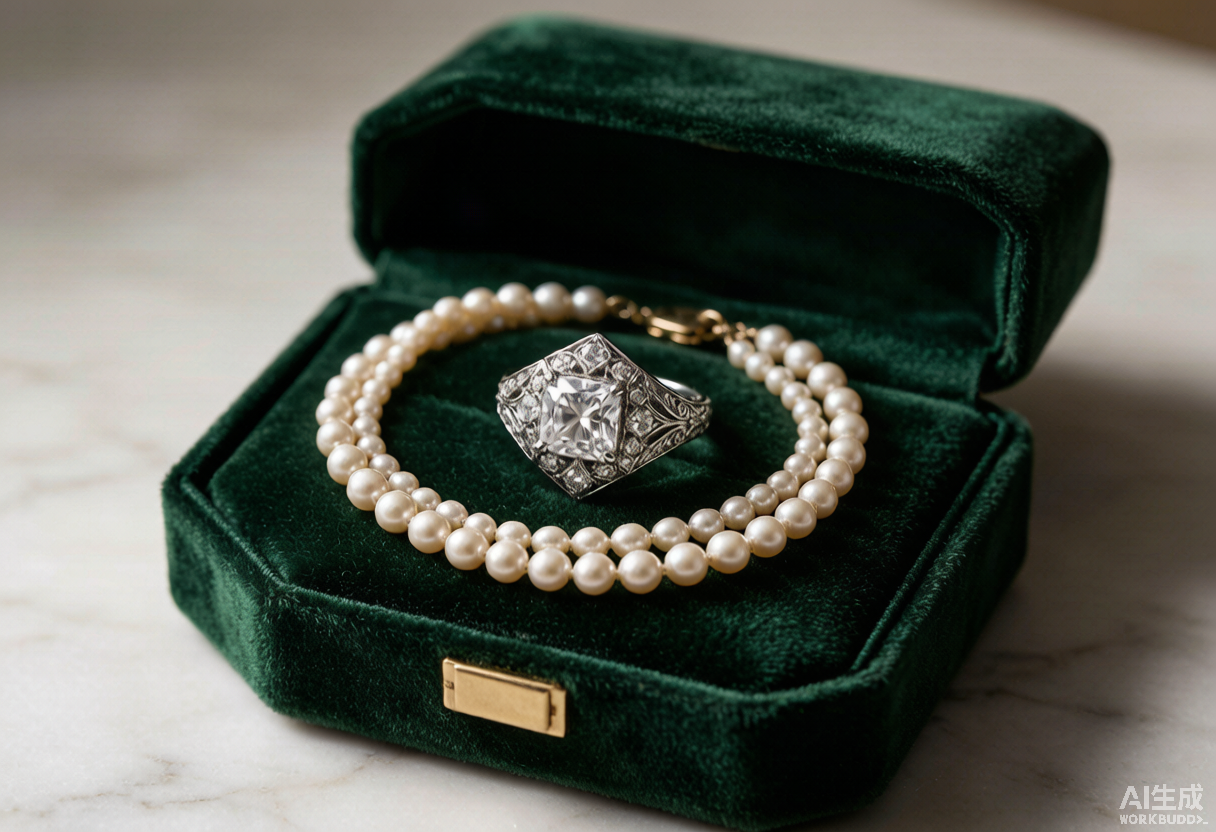
当新款珠宝还在为流量争抢眼球时,一批“有年头”的老珠宝正在悄悄改写市场规则。2025年11月,纽约珠宝古董展的门票罕见售罄,近7000人涌入展馆,只为淘一枚老矿式切割钻戒或一枚装饰艺术时期的胸针——主办方甚至因此决定在传统淡季的1月加开一场。二手与古董珠宝,正从收藏圈的小众爱好,变成全球时尚消费的显学。
数据给出了更直接的注脚。据 Growth Market Reports 最新研究,全球古董珠宝市场规模在2025年已达到442亿美元,预计2026至2034年将以7.2%的年复合增长率扩张,到2034年有望冲上825亿美元。在整体奢侈品消费趋于谨慎的当下,这条赛道的逆势增长显得格外扎眼。奢侈品转售平台 Rebag 在第六版《克莱尔报告》中指出,2025年的全球关税调整推高了腕表与高级珠宝的一级市场价格,反而巩固了二手市场的地位——梵克雅宝、劳力士、卡地亚等品牌的中古款式,成为消费者争相锁定的目标。
为什么是现在?三股力量的合流
第一股力量来自明星效应。去年8月,泰勒·斯威夫特订婚时佩戴的复古风老矿式切割钻戒引爆全网搜索,让“老式切割”一夜之间从行话变成热词。老矿工切割、玫瑰式切割、拉长垫形切割的钻石,光泽比现代明亮式切割更柔和温润,恰好击中了当下消费者对“不锋利的奢华”的偏好。
第二股力量是代际更替。《纽约时报》观察到,Z世代购物越来越“重质不重量”,甚至热衷在节日互赠二手好物。对他们而言,一件维多利亚时期的花丝吊坠、一枚1970年代的大胆金饰,承载的故事感与稀缺性,远比流水线新品的“崭新”更有吸引力。可持续理念又为这种选择加了一层道德光环——买中古,本身就是一种循环时尚。
第三股力量是资产逻辑。在经济不确定性延续的背景下,带签名的名家古董珠宝正被视作另类资产配置。卡地亚 Trinity、梵克雅宝四叶草等经典常青款,带原盒与证书的老件在二级市场流通性极强、溢价稳定;Art Deco 时期的铂金钻石作品更因“装饰艺术百年”的文化热点而持续升温。拍卖行的成交纪录一再证明:好的老珠宝,不仅保值,还会讲故事。
从拍卖行到买手店:渠道正在重构
这股热潮也在重塑零售版图。纽约买手品牌 Future Reference Vintage 成立仅一年,就带着维多利亚、爱德华与装饰艺术时期的珍品进驻了 Bergdorf Goodman 与 Bloomingdale's;Pinterest 则预测“胸针美学”将在2026年继续领跑,而古董胸针正是这一风潮的最大受益者。线上拍卖与电商平台的透明化鉴定机制,更让全球买家可以隔着屏幕竞逐一枚百年老件。
老珠宝的新呈现:行业的连锁反应
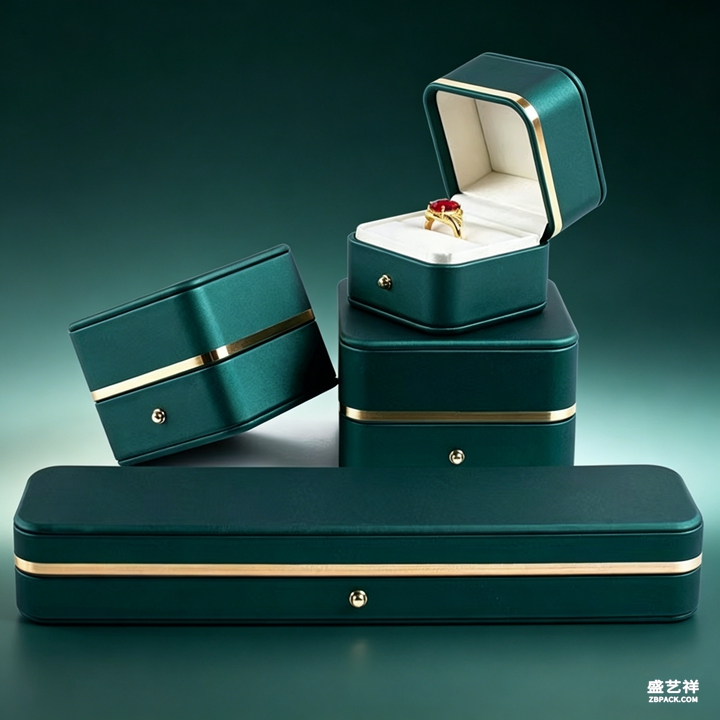
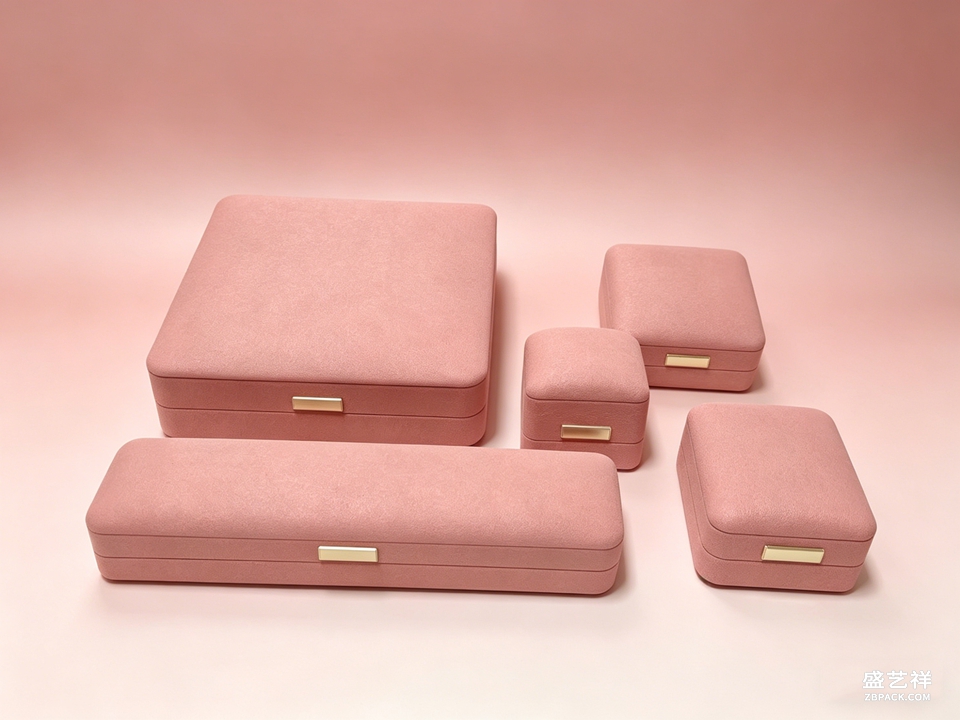
值得从业者注意的是,中古珠宝的走红正在向产业链下游传导。一件有百年历史的珠宝,不能随便塞进一个标准纸盒——它需要与其气质匹配的呈现方式。越来越多中古珠宝商与拍卖机构开始定制复古调性的首饰盒,用天鹅绒内衬、做旧五金与考究的珠宝包装设计还原“传家宝”的仪式感;门店端则加大了对珠宝陈列道具的投入,以博物馆式的策展逻辑陈列老件,让每一枚戒指都像展品一样被凝视。在深圳,以盛艺祥为代表的高端包装定制企业已经接到不少此类需求:为中古珠宝品牌开发带年代叙事感的礼盒与陈列方案,正成为一个增长中的细分市场。
潮流转瞬即逝,岁月自成经典。当“新”不再是奢侈的唯一注脚,那些历经时光打磨的老珠宝,反而成了这个时代最新鲜的风向标。对于品牌与零售商而言,问题已经不是“要不要入局”,而是如何用对的选品、对的鉴定与对的呈现,接住这波跨越百年的红利。
本文为原创内容,版权归盛艺祥所有。如需转载请注明出处。
盛艺祥(Shengyixiang)——高端珠宝包装设计与定制专家,为品牌护航。
While new jewelry collections fight for attention with marketing budgets, a quieter revolution is being led by pieces that are decades — sometimes a century — old. In November 2025, the New York Jewelry & Antique Show sold out, drawing nearly 7,000 visitors hunting for old mine cut diamonds and Art Deco brooches. Demand was so strong that organizers added an extra January edition in what is traditionally the slowest season. Pre-owned and antique jewelry has officially moved from a collector's niche to the center of global fashion consumption.
The numbers back up the buzz. According to the latest research from Growth Market Reports, the global antique jewelry market reached USD 44.2 billion in 2025 and is projected to grow at a 7.2% CAGR through 2034, when it could hit USD 82.5 billion. In a year when overall luxury spending turned cautious, that counter-cyclical growth stands out. Resale platform Rebag, in the sixth edition of its Clair Report, notes that 2025's global tariff adjustments pushed up first-hand prices of watches and fine jewelry — and in doing so, strengthened the secondary market. Vintage pieces from Van Cleef & Arpels, Rolex and Cartier are now among the most hunted items on resale platforms.
Why now? Three forces converging
The first force is celebrity influence. When Taylor Swift's engagement was announced last August, her vintage-style old mine cut diamond ring set search engines on fire, turning an insider term into a mainstream trend overnight. Old mine, rose and elongated cushion cuts offer a softer, warmer glow than modern brilliant cuts — perfectly matching today's appetite for understated luxury.
The second force is generational. The New York Times observes that Gen Z shoppers increasingly value quality over quantity, even embracing secondhand gifts for the holidays. For them, a Victorian filigree pendant or a bold 1970s gold piece carries a story and a scarcity that no mass-produced novelty can match. The sustainability movement adds a moral halo: buying vintage is circular fashion in its purest form.
The third force is investment logic. With economic uncertainty persisting, signed antique jewelry is being treated as an alternative asset class. Classics like Cartier's Trinity and Van Cleef's Alhambra — especially with original boxes and certificates — enjoy strong liquidity and stable premiums on the secondary market. Art Deco platinum-and-diamond pieces are heating up further thanks to the movement's centenary celebrations. Auction records keep proving the point: great old jewelry holds value, and tells a story while doing so.
From auction houses to concept stores
The boom is redrawing the retail map. New York's Future Reference Vintage, barely a year old, has already placed its Victorian, Edwardian and Art Deco treasures in Bergdorf Goodman and Bloomingdale's. Pinterest predicts the "brooch aesthetic" will keep trending through 2026 — and antique brooches are its biggest beneficiaries. Online auctions with transparent authentication now let buyers worldwide compete for century-old pieces from their sofas.
New presentation for old treasures
One ripple effect deserves the industry's attention: the vintage wave is reshaping how jewelry is presented. A hundred-year-old piece cannot simply be dropped into a standard carton — it demands packaging that matches its character. Vintage dealers and auction houses are commissioning heritage-style jewelry boxes with velvet linings and antiqued hardware, while boutiques invest in museum-grade jewelry display props to curate old pieces like exhibits. In Shenzhen, high-end packaging specialists such as Shengyixiang are seeing growing demand for custom jewelry packaging design with a sense of period storytelling — a fast-emerging niche within the packaging business.
Trends fade; time creates classics. As "newness" loses its monopoly on luxury, jewelry polished by decades has become the freshest signal of taste. For brands and retailers, the question is no longer whether to enter this market — but how to capture a century-spanning dividend with the right sourcing, authentication and presentation.
This is original content. Copyright belongs to Shengyixiang.
Shengyixiang — your expert in high-end jewelry packaging design & customization.