智能戒指戴上风口 Smart Rings Become Jewelry's New Frontier
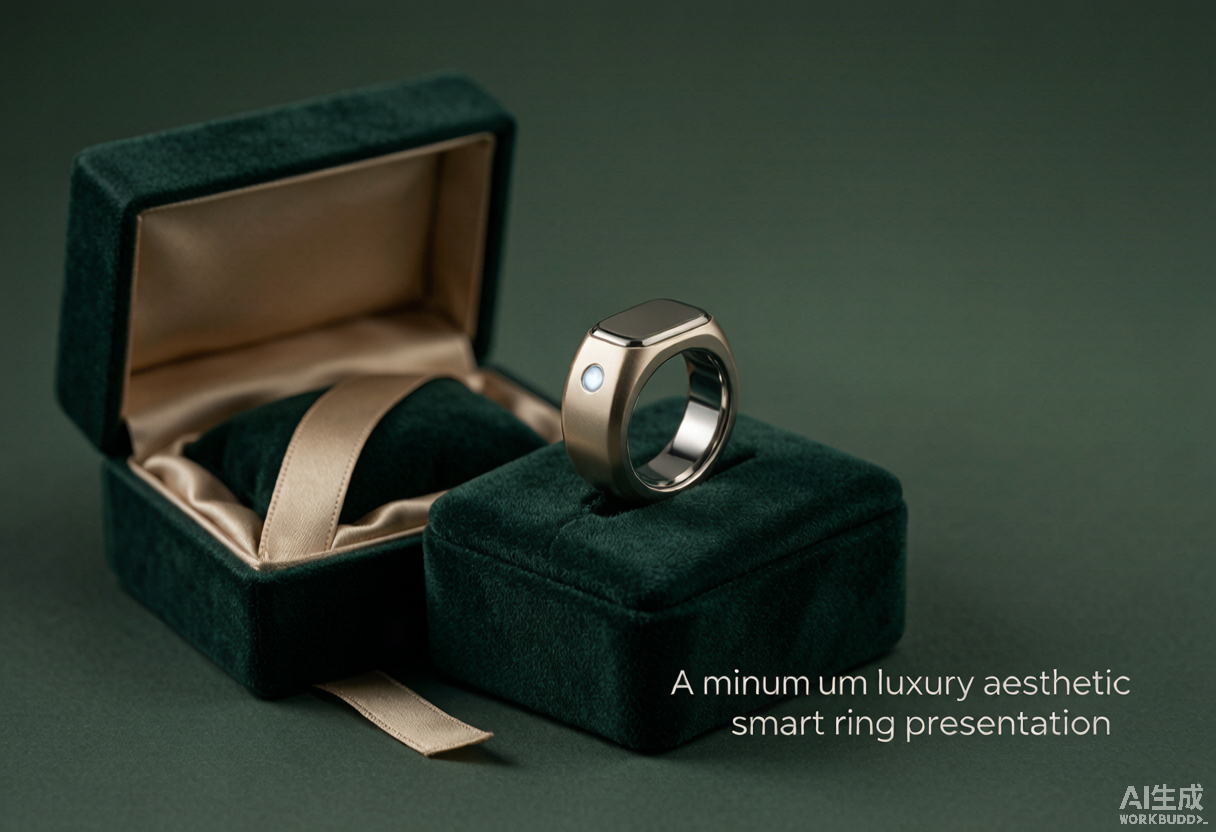
2026年5月,芬兰智能戒指公司Oura秘密递交美股IPO申请,估值高达110亿美元,高盛、摩根士丹利、摩根大通联合承销。一枚直径不过两厘米、重量只有几克的戒指,撑起了百亿美元的资本故事——这可能是今年珠宝与科技交叉地带最值得玩味的信号:戒指,正在重新定义自己。
出货量两年翻近五倍,小品类跑出大行情
数据的陡峭程度超出多数人想象。Omdia统计显示,全球智能戒指出货量2023年约85万枚,2024年增至180万枚,2025年仅上半年就达到160万枚,全年突破400万枚——两年时间接近五倍增长,而同期智能手表的年均增速仅约1.7%。市场规模层面,Fortune Business Insights测算2025年全球智能戒指市场约4.17亿美元,预计2034年将攀升至37.7亿美元,年复合增长率高达29.3%;放大到整个智能珠宝品类,2024年约36亿美元的盘子,预计2030年将达到216亿美元。中国市场的爆发更为直观:2025年国内智能戒指市场容量约88亿元人民币,预计2030年突破500亿元,国内电商平台智能指环销售额一度录得同比增长6410.7%的惊人数字。
为什么是戒指?无感佩戴击中了手表的盲区
智能戒指的走红并非偶然。过去几年,智能手表教育了数亿消费者,却留下一个真实痛点——很多人不愿戴着厚重的设备入睡,而夜间恰恰是心率变异性、体温波动、呼吸速率等健康数据价值最高的时段。戒指只有3至6克重,侧睡不硌手腕、没有屏幕光干扰,加上指尖血管密集、光学传感器信号更稳定,「无感佩戴+高精度监测」的组合正好卡进了手表没填上的缝隙。头部品牌Oura的Ring 4定价349美元,外加每月5.99美元订阅费,依然在2025年上半年拿下全球74%的市占率,活跃用户突破440万。麦肯锡的调研给出了背后的消费逻辑:对千禧一代和Z世代而言,健康管理已经从偶尔为之的消费,变成了日常化、个性化的生活实践。
传统珠宝品牌坐不住了
更值得行业关注的,是传统金饰品牌的下场。2026年4月,深耕黄金珠宝三十余年的梦金园在新品发布会上正式宣布启动智能珠宝业务,展示了首款智能戒指工程样机iRing N1。背景并不轻松:2025年中国黄金首饰消费量仅364吨,同比下滑超过31%,头部品牌普遍承压。当传统装饰属性难以打动年轻客群,「科技+珠宝」成了一条被认真对待的出路。三星、魅族、追觅等厂商的智能指环定价1500至3000元不等,国产品牌RingConn更以「睡眠呼吸暂停监测」切入医疗级赛道——戒指这个古老的珠宝形态,正在被重新发明。
当珠宝有了「数字灵魂」,呈现方式也要升级
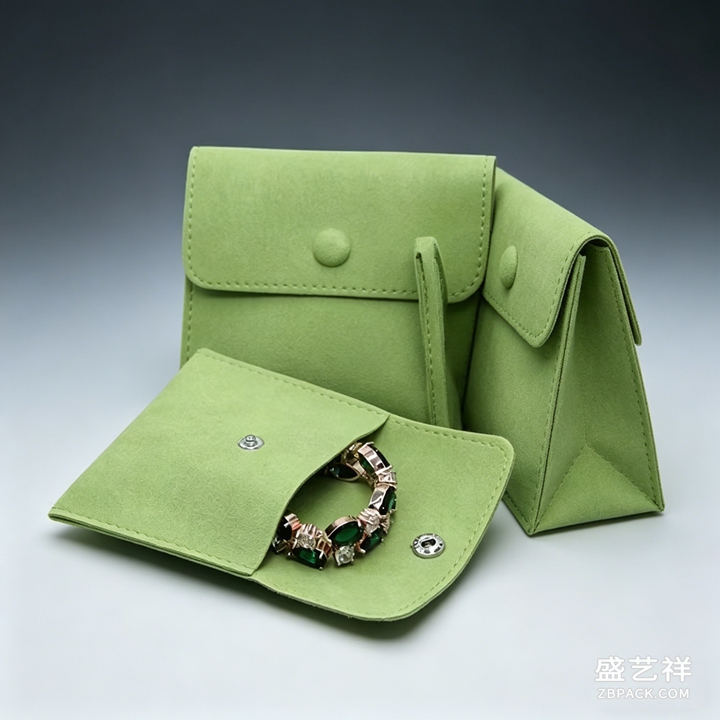
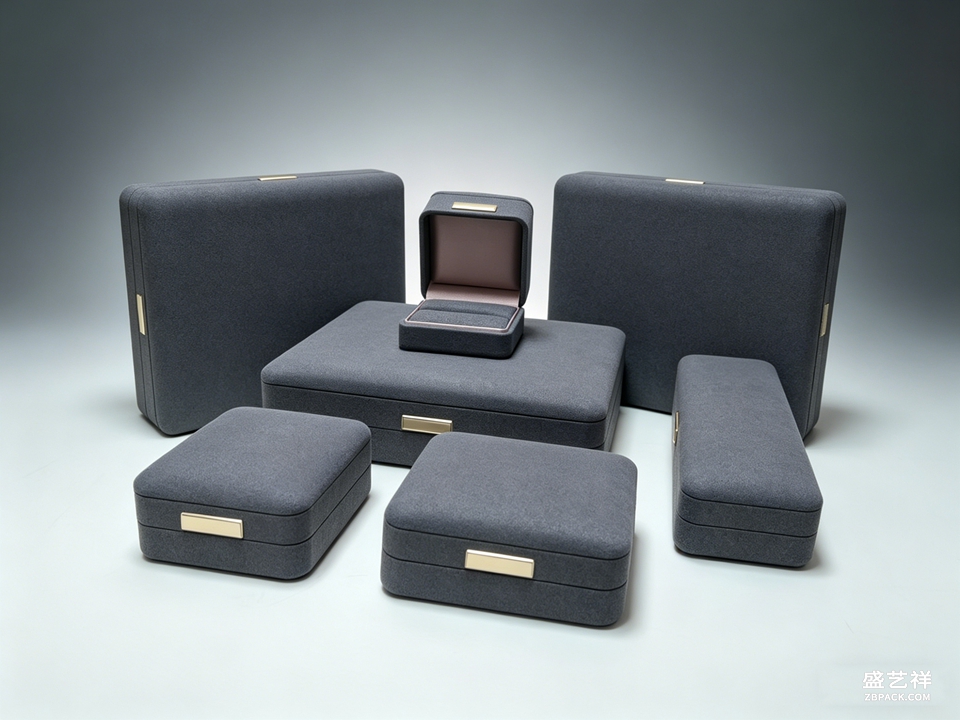
智能珠宝的崛起,也在悄悄改写终端的呈现逻辑。一枚兼具首饰与硬件双重身份的戒指,既要讲珠宝的仪式感,又要交代充电、传感、App配对等科技叙事——这对首饰盒设计提出了全新命题:内衬要为充电底座预留结构,开盒动线要同时呈现产品与说明。门店侧同理,珠宝陈列道具需要在丝绒与灯光之外,容纳交互体验位;而智能戒指与传统腕表的同柜销售,也让手表盒与戒指收纳的一体化设计成为新需求。以盛艺祥为代表的高端包装与陈列服务商已经注意到这一趋势:科技感与奢华感不是对立面,谁能把两者装进同一个盒子,谁就接住了这轮新品类的红利。
戒指承载婚约与誓言的历史有几千年,如今它开始承载心率、睡眠与支付。风口之上,唯一确定的是:珠宝的边界,比我们想象的更宽。
本文为原创内容,版权归盛艺祥所有。如需转载请注明出处。
盛艺祥(Shengyixiang)——高端珠宝包装设计与定制专家,为品牌护航。
In May 2026, Finnish smart ring maker Oura confidentially filed for a US IPO at a valuation of 11 billion dollars, with Goldman Sachs, Morgan Stanley and J.P. Morgan as underwriters. A ring barely two centimeters wide, weighing just a few grams, is now carrying a multi-billion-dollar capital story. It may be the most telling signal at the intersection of jewelry and technology this year: the ring is redefining itself.
Shipments up nearly fivefold in two years
The numbers are steeper than most expected. According to Omdia, global smart ring shipments grew from about 850,000 units in 2023 to 1.8 million in 2024, and reached 1.6 million in the first half of 2025 alone, with the full year surpassing 4 million units — a near fivefold jump in two years, while smartwatch shipments grew only about 1.7% annually over the same period. Fortune Business Insights puts the global smart ring market at roughly 417 million dollars in 2025, projected to climb to 3.77 billion dollars by 2034, a 29.3% CAGR. Zoom out to smart jewelry as a whole and the category is expected to grow from about 3.6 billion dollars in 2024 to 21.6 billion dollars by 2030. China is moving even faster: its smart ring market is estimated at 8.8 billion yuan in 2025 and forecast to exceed 50 billion yuan by 2030, with one e-commerce platform reporting year-on-year sales growth of over 6,400% for smart rings.
Why the ring? Invisible wearability fills the watch's blind spot
The rise of the smart ring is no accident. Smartwatches educated hundreds of millions of consumers, yet left one real pain point: many people refuse to sleep with a bulky device on their wrist — and nighttime is precisely when health data such as heart rate variability, body temperature and respiratory rate are most valuable. A ring weighs three to six grams, does not press into the wrist during side sleeping, has no glowing screen, and benefits from dense blood vessels at the fingertip that give optical sensors a cleaner signal. That combination of invisible wearability and high-precision monitoring slots exactly into the gap watches never filled. Market leader Oura, whose Ring 4 sells for 349 dollars plus a 5.99-dollar monthly subscription, still held 74% of the global market in the first half of 2025, with more than 4.4 million active users. McKinsey research explains the demand: for millennials and Gen Z, health and wellness have shifted from occasional purchases to daily, personalized practice.
Traditional jewelers are jumping in
Even more telling is the entry of heritage jewelry brands. In April 2026, Mengjinyuan, a Chinese gold jeweler with over three decades of history, officially launched its smart jewelry business and unveiled the iRing N1 engineering prototype. The backdrop is sobering: China's gold jewelry consumption fell to 364 tonnes in 2025, down more than 31% year on year, squeezing even top brands. When pure ornamentation no longer moves younger consumers, tech-plus-jewelry becomes a serious strategy. Samsung, Meizu and Dreame all sell smart rings priced between 1,500 and 3,000 yuan, while Chinese brand RingConn pushes into medical-grade territory with sleep apnea monitoring. One of jewelry's oldest forms is being reinvented.
When jewelry gains a digital soul, presentation must evolve
The rise of smart jewelry is quietly rewriting retail presentation as well. A ring that is both fine jewelry and hardware must deliver the ceremony of jewelry while communicating charging, sensors and app pairing — a brand-new brief for jewelry box design, where inserts must accommodate charging docks and the unboxing sequence must present both product and instructions. In stores, jewelry display props now need to host interactive demo zones alongside velvet and lighting, and as smart rings share counters with traditional timepieces, integrated watch box and ring storage design is becoming a genuine need. High-end packaging and display specialists such as Shengyixiang are already tracking this shift: technology and luxury are not opposites, and whoever fits both into one box will capture the upside of this new category.
For thousands of years, rings have carried vows and promises. Now they carry heart rates, sleep scores and payments. Amid the hype, one thing is certain: the boundaries of jewelry are wider than we thought.
This is original content. Copyright belongs to Shengyixiang.
Shengyixiang — your expert in high-end jewelry packaging design & customization.