彩宝改写婚嫁珠宝 Colored Gems Rewrite Bridal Jewelry Rules
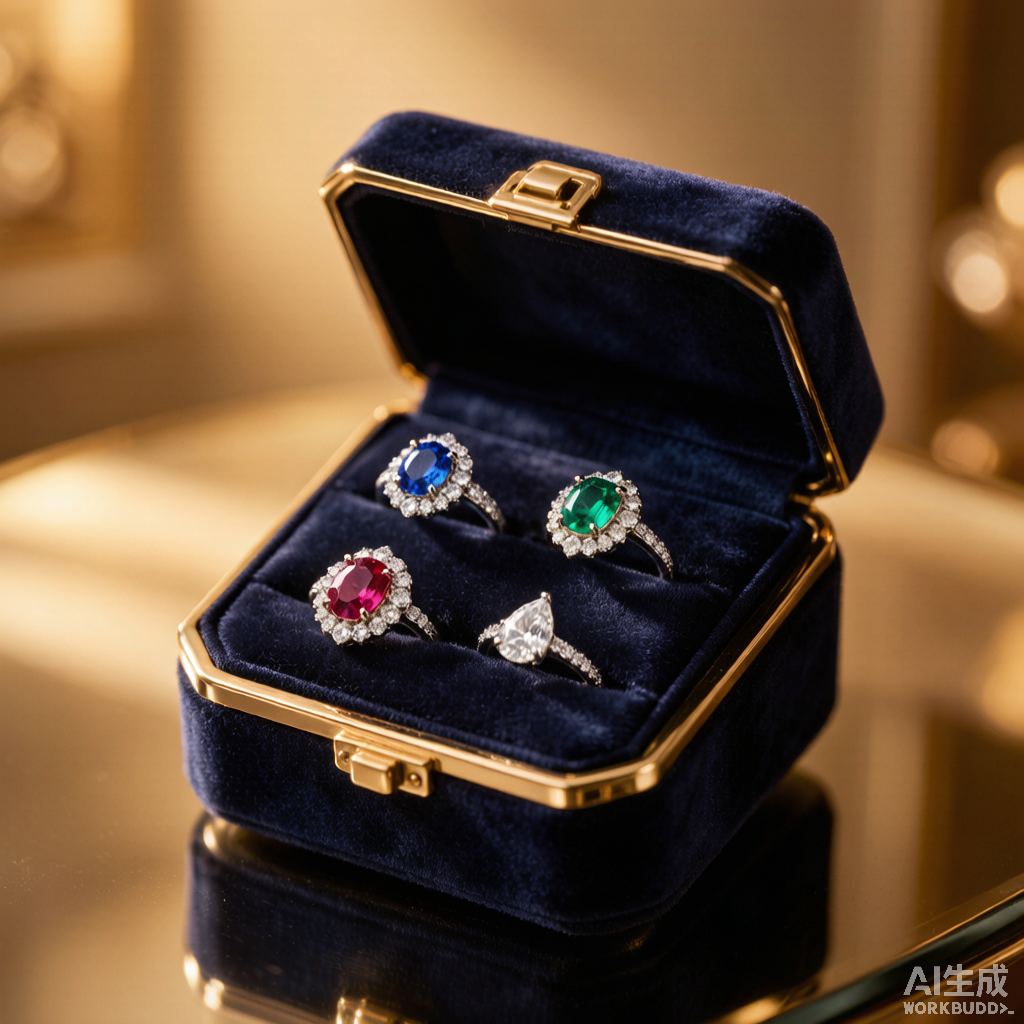
2026年的婚嫁珠宝市场正在经历一场静默却深刻的色彩革命。长久以来,钻石几乎是婚礼上唯一的主角,但如今,蓝宝石、祖母绿、红宝石乃至摩根石和欧泊,正以前所未有的姿态涌入婚嫁场景,改写着“婚礼必须戴钻石”的百年叙事。
Pinterest最新趋势数据为这一转向提供了量化注脚:珍珠头饰搜索量同比飙升225%,bandeau式发带增长40%,额饰发冠增长25%。发饰的爆发并非孤立现象——当新娘将视觉重心从胸前移向发间,彩色宝石便有了更大的施展空间。蓝宝石因其象征忠诚与忠贞的文化寓意,稳居非钻石婚嫁首选;祖母绿借势2026年整体时尚界的绿色浪潮,强势跨界进入婚嫁领域;欧泊则以每一颗都独一无二的虹彩纹理,吸引着追求个性的新娘;摩根石和海蓝宝等柔和色调的浅色宝石,以温婉气质成为新一代新娘的搭配新宠。
马眼形切割钻石的强势回归同样值得关注。这一趋势很大程度上受益于实验室培育钻石的普及——更长、更舒展的轮廓在培育钻价格区间内变得可及,让过去因克拉单价过高而望而却步的大尺寸马眼形主石,走进了更多新人的预算范围。盐胡椒钻石(salt-and-pepper diamond)也以天然包裹体的有机质感,吸引着偏好“不完美美学”的新娘。
混金属搭配已从“打破规则”变为“主流操作”。玫瑰金婚戒搭配白金耳饰、黄金手镯叠戴铂金戒指——2026年的新娘不再执着于单一金属色调,而是将不同金属视为调色盘上的颜料。这一趋势与彩色宝石的崛起形成共振:当主石本身已脱离无色钻石的框架,金属的搭配自然也获得了更大的自由度。
个性化定制正在从“加分项”变为“基本盘”。定制刻字、出生石点缀、甚至将初次相遇地的地理坐标融入设计——新娘们越来越倾向于让珠宝讲述自己的故事。这种叙事需求催生了“可拆卸策略”的流行:仪式环节佩戴华丽版主头饰,晚宴环节换上简约sparkle pin,一件首饰在一天之内完成两种身份的转换。
在maximalism与minimalism之间,2026年的婚嫁珠宝呈现出有趣的双轨并行。一方面,夸张的肩扫式长耳环、层叠项链和大胆的额饰在典礼场景中大放异彩;另一方面,极简新娘主义也在悄然生长——纤细的排戒、单颗珍珠耳钉、简约的pavé手链,在私密婚礼和目的地婚礼中越来越受欢迎。两种风格共享同一个内核:不再是被动接受“标准婚嫁套装”,而是主动选择与自身气质相匹配的珠宝语言。
可持续与道德采购已从边缘偏好升级为主流期待。再生金属、可溯源宝石、实验室培育钻石——这些概念在婚嫁语境下不再只是营销话术,而是消费者在柜台前会主动追问的问题。当一件珠宝要承载“一生一世”的承诺,它的来源故事也成为了承诺的一部分。据行业观察,95后新人在婚嫁珠宝消费中,有超过四成会主动询问宝石溯源信息,这一比例在2023年仅为不到两成。
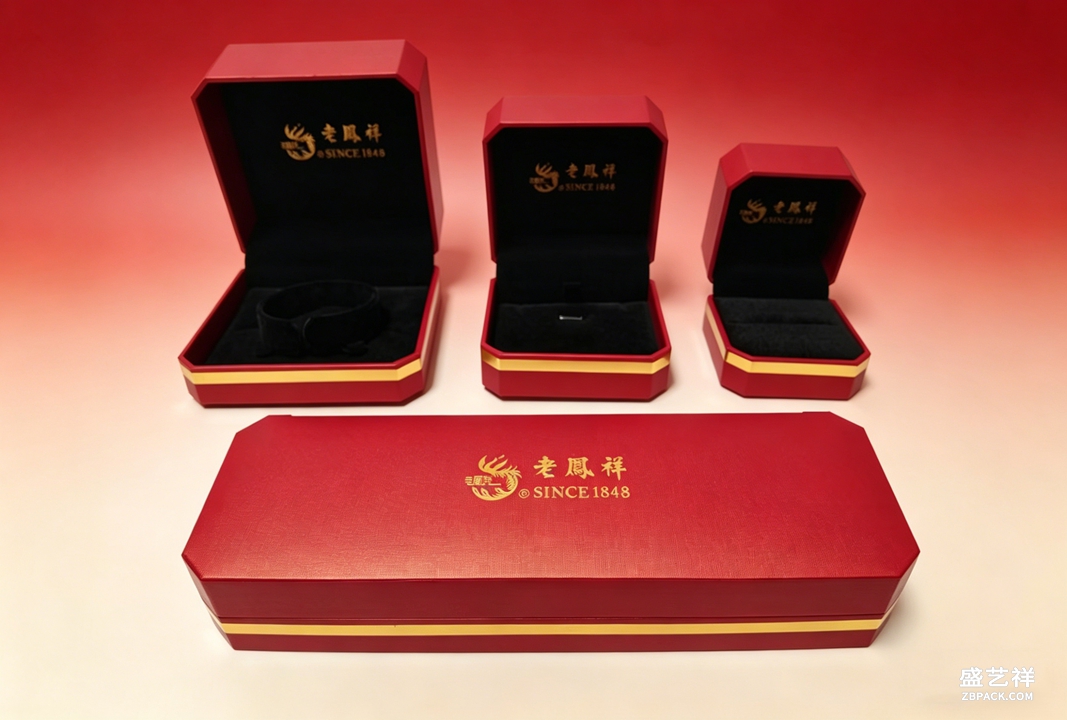
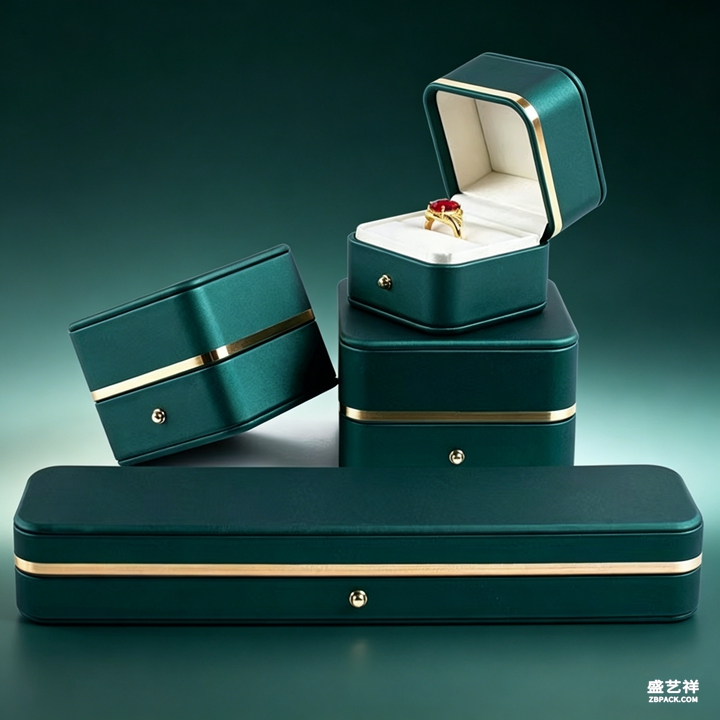
婚嫁珠宝的色彩转向,本质上是新一代消费者对“意义”的重新定义。当蓝宝石替代了钻石、当发饰分流了项链的关注、当混金属打破了单一色调的规训——婚礼珠宝不再是炒耀价值的工具,而成为了表达个性的媒介。而如何让每一件色彩斑斓的婚嫁珠宝都被更好地呈现与保护,则是盛艺祥在首饰盒设计与珠宝包装设计领域持续深耘的方向。
本文为原创内容,版权归盛艺祥所有。如需转载请注明出处。
盛艺祥(Shengyixiang)——高端珠宝包装设计与定制专家,为品牌护航。
The bridal jewelry market in 2026 is undergoing a quiet but profound color revolution. For generations, diamonds held a near-monopoly on wedding aesthetics, but sapphires, emeralds, rubies, and even morganite and opal are now entering the bridal space with unprecedented momentum, rewriting a century-old narrative that equated weddings with white diamonds.
Pinterest's latest trend data provides quantitative proof of this shift: pearl headdresses surged 225% year-on-year, bandeau-style headbands grew 140%, and forehead tiaras rose 125%. The explosion in hair jewelry is not an isolated phenomenon - as brides move their visual focal point from the neckline to the hair, colored gemstones find a larger canvas for expression. Sapphires, with their cultural symbolism of trust and fidelity, remain the top non-diamond bridal choice. Emeralds are riding the broader green-wave of 2026 fashion, crossing firmly into bridal territory. Opals, with their iridescent uniqueness - no two stones alike - appeal to brides seeking something genuinely individual. Meanwhile, pastel-toned stones like morganite and aquamarine offer a soft, feminine alternative that reads as romantic without feeling dated.
The revival of marquise-cut diamonds deserves particular attention. This trend is driven significantly by the accessibility of lab-grown diamonds - the elongated, graceful silhouette becomes affordable at lab-grown price points, allowing larger marquise center stones that were previously out of reach for many couples. This is not merely a cut preference; it represents another way lab-grown diamonds are reshaping the value architecture of bridal jewelry. Salt-and-pepper diamonds, with their organic inclusions and earthy character, are simultaneously attracting brides drawn to imperfect beauty over conventional brilliance.
Mixed metals have transitioned from rule-breaking to mainstream. Rose gold engagement rings paired with white gold earrings, yellow gold bangles stacked with platinum rings - the 2026 bride no longer insists on a single metal tone. Instead, she treats different metals as pigments on a palette, freely combining them. This trend resonates with the rise of colored gemstones: when the center stone itself has departed from the colorless diamond framework, metal pairings naturally gain greater freedom.
Personalization has evolved from a bonus feature to a baseline expectation. Custom engraving, birthstone accents, and even designs incorporating the geographic coordinates of a couple's first meeting - these practices are no longer niche choices. Brides increasingly want their jewelry to tell their own story rather than serve as a standardized luxury symbol. This narrative demand has spawned the removable piece strategy: an elaborate headpiece for the ceremony, swapped for a simple sparkle pin at the reception, allowing one piece to perform two identities within a single day.
Between maximalism and minimalism, 2026 bridal jewelry reveals an intriguing dual track. On one hand, statement shoulder-duster earrings, layered necklaces, and bold maang tikkas shine in ceremonial settings. On the other, minimalist bridal aesthetics are quietly growing - slim stacking bands, single pearl studs, and sleek pave bracelets are increasingly popular for intimate and destination weddings. Both trends share the same core: brides are no longer passively accepting standard bridal sets but actively choosing jewelry language that matches their personality and wedding context.
Sustainability and ethical sourcing have graduated from niche preference to mainstream expectation. Recycled metals, traceable gemstones, and lab-grown diamonds - these concepts are no longer marketing buzzwords in the bridal context but questions that consumers proactively ask at the counter. When a piece of jewelry is meant to carry the promise of forever, its origin story becomes part of the promise. Industry observations indicate that over 40% of Gen-Z couples actively inquire about gemstone provenance when shopping for bridal jewelry, up from less than 20% in 2023.
The color shift in bridal jewelry is, at its core, a redefinition of meaning by a new generation of consumers. When sapphires replace diamonds, when hair jewelry diverts attention from necklaces, when mixed metals break the discipline of single-tone palettes - wedding jewelry ceases to be a tool for displaying value and becomes a medium for expressing individuality. And ensuring that every colorful bridal jewel is beautifully presented and protected is where Shengyixiang continues to invest in jewelry box design and jewelry packaging solutions.
This is original content. Copyright belongs to Shengyixiang.
Shengyixiang - your expert in high-end jewelry packaging design & customization.