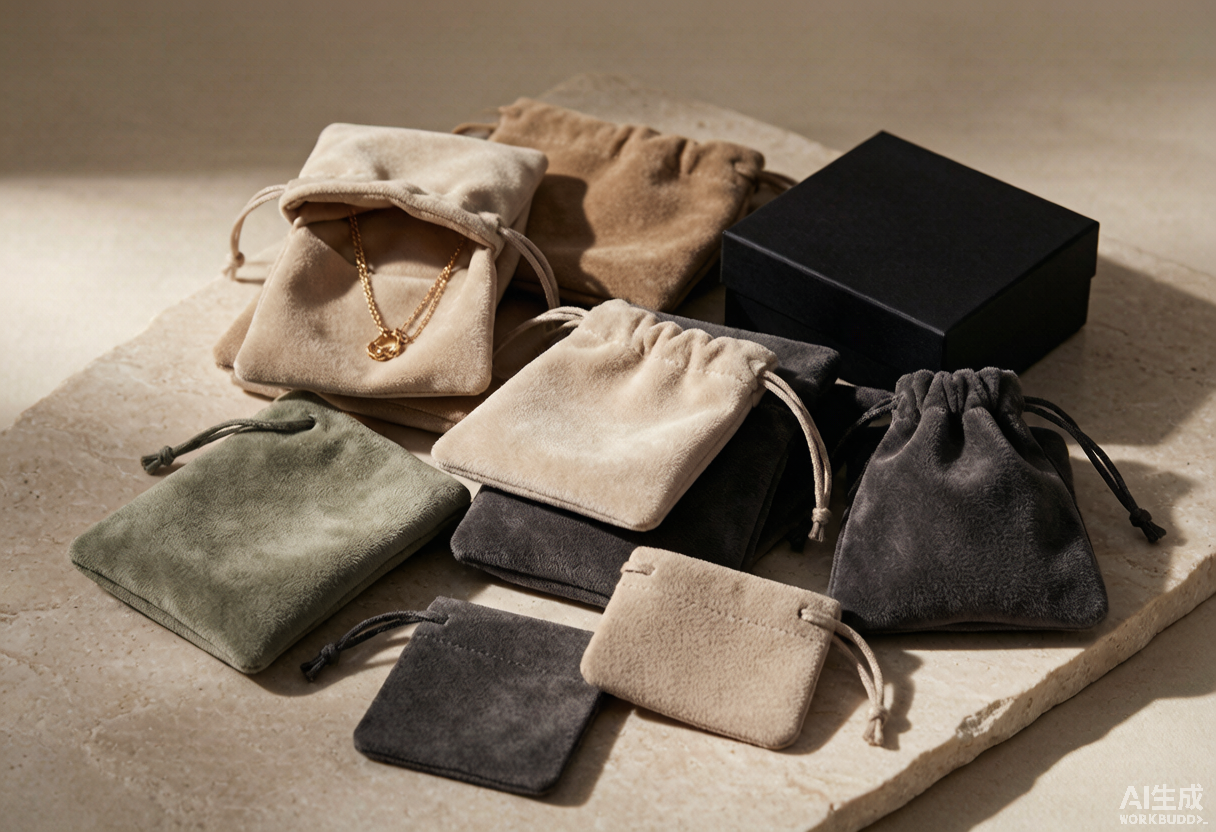
首饰袋怎么选才对 What Makes a Jewelry Pouch Worth Its Price
一只成本不到五元的首饰袋,能不能影响一单生意的成败?答案比多数人以为的更肯定。海外一家银饰品牌把无内衬绒布袋换成三层结构袋后,半年内退货率从7.2%降到4.3%,净省约2.2万美元——而每只袋子的成本只多了0.08美元。下面这六个问题,是店主、采购与品牌方最常问到的,我们把行业数据和实测经验一并摊开来讲。
问一:首饰袋只是“随货附赠”的小东西吗?
答:它是护饰的最后一道防线,也是品牌的“第二现场”。
先说功能。上述银饰品牌的退货原因码显示,62%的退货集中在“镀层微划痕”与“存放后失去光泽”两类,罪魁祸首恰恰是那只看起来体面的无内衬绒布袋——裸绒背面在运输和日常取放中,像细砂纸一样持续磨损银面。改为“外层绒布+80克/㎡纤维缓冲+含银离子微麂皮内衬”的三层结构后,问题基本消失;该结构通过了ISO 4538的72小时抗硫化测试,925银样件无肉眼可见变色。
再说品牌。行业调研显示,优质开盒体验可使复购留存提升约30%,而带定制压印的包装能把重复购买率再抬高约19%。顾客把珠宝戴出门,袋子却留在抽屉、旅行箱、办公桌里,一年被看见几十次。它比广告便宜,比橱窗持久。这也是越来越多品牌把首饰袋从“赠品预算”挪进“品牌预算”的原因。
问二:绒布、微纤维、缎面、棉麻,材质到底怎么挑?
答:先看你卖什么金属,再看渠道,最后才看好不好看。
2026年的市场偏好分布大致是:绒布32%、再生棉24%、缎面18%、素皮15%、微纤维14%、欧根纱12%。但偏好不等于适配。
银饰、镀金、镀铑,优先微纤维——加入银离子或铜离子抗硫化因子的微纤维,在高湿环境下可把氧化速率较普通绒布降低约40%。高单价宝石与婚嫁主推款,用绒布,缓冲最厚、仪式感最强。通勤与日常线,用有机棉,透气可机洗,约63%的品牌把它用在日常线上。以电商为主的,选微纤维或再生涤纶rPET,抗压、可平铺打包、物流体积小,长期总持有成本更低。展会与临时活动,欧根纱、缎面视觉轻盈、成本可控,但别指望它护饰。
真皮的耐磨性约为合成材料的3倍,但已有约28%的高端买家出于可持续考虑主动要求素皮替代,做出口线时值得提前评估。
问三:验收一只袋子,有哪些硬指标?
答:至少盯住四个数字,其余都只是感觉。
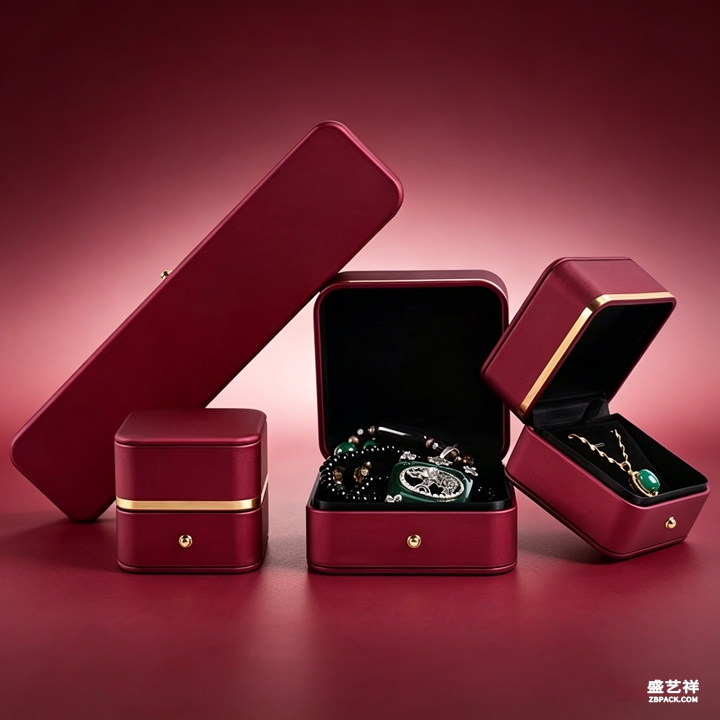
一是克重。专业级面料应在150至200克/㎡,低于这个区间,用几次就起球塌形。二是抽绳承重,装吊坠、粗链的袋子面料要提到280克/㎡左右,否则袋口会被坠松——约三成首次下单的客户会踩这个坑。三是内衬结构,是否有独立缓冲层、绒毛是否做过抗静电固化,直接决定“戴半年后还亮不亮”。四是抗氧化验证,要供应商出具ISO 4538或等效硫化测试报告,并写明抗氧化因子有效期,一般6至12个月需更换抗氧化片。
再提醒一句:认证要看原件。OEKO-TEX Standard 100、GOTS、GRS这些证书都能凭编号查验,做珠宝袋加工时把证书编号写进合同附件,远比口头承诺可靠。
问四:为什么高端简约的袋子,反而更容易被顾客青睐?
答:因为顾客买的是确定感,不是信息量。
简约包装的克制,恰好把注意力还给了产品本身。市场反馈是:约73%的高端买家把材质本身的完成度排在选择首位,远高于图案与色彩的花哨程度;当装饰元素减少、留白增加,感知奢华度反而上升。2026年的配色也在印证这一点——纯黑与惨白让位于燕麦、沙色、鼠尾草绿这类温暖中性色,它们在自然光下更耐看,也更适合顾客自己拍照传播。
质感正在取代印刷。磨砂触感、类麂皮微纤维、有肌理的哑光织物,逐步替代高反光化纤。这类表面会让开袋动作慢上半拍,而那半拍,正是仪式感产生的地方。所以“高端简约”不是省成本,而是把预算从花哨印刷挪到手感、克重与结构上。这也是盛艺祥在做饰品包装盒与配套袋型时反复强调的一条原则:能被摸到的地方不省,能被省掉的装饰就省。
问五:LOGO怎么做才不掉、才有品牌感?
答:认准工艺与载体的匹配关系。
微纤维上做盲压最稳。热压是把标识烙进紧密织纹里,属永久性变形,不会脱落;绒布上的烫金虽好看,本质是表面附着,频繁摩挲后可能起皮掉色。若一定要在绒布上烫金,请要求补做耐摩擦测试。
还有个低成本高回报的做法:把标识用激光在内衬上做浅印。材料成本几乎为零,却把袋子内侧变成一处“只有主人看得见”的品牌细节。配色也别忽视,约92%的受访企业反馈,与品牌色一致的定制内里明显提升了客户对品牌的记忆度。定制不是把LOGO放大,而是让每一处细节都在说同一句话。
问六:环保材质要多花钱吗?袋子和盒子该怎么配合?
答:成本要算总账,配合要看场景。
先说环保。约58%的采购决策已受到可持续因素影响,rPET再生涤纶在质感上已接近天然纤维,且不带塑料光泽。改用rPET、有机棉并附上GRS或GOTS证书,单价通常上浮个位数百分比,换来的却是零售渠道的准入资格——越来越多买手会在下单前直接索要证书。这笔钱不是环保溢价,是入场券。
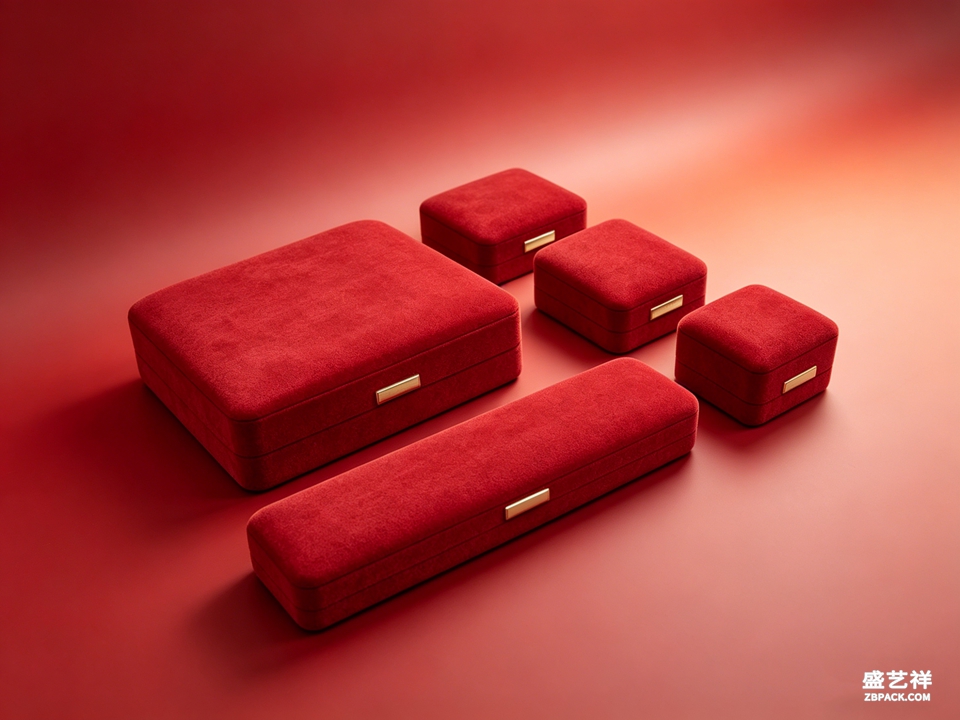
再说配合。门店场景里,袋子承担“带走”,盒子承担“交付”,摆台与托盘承担“被看见”,三者应共享同一套色彩与材质语言:托盘用深绒衬托钻石火彩,盒子用哑光深色收束视觉,袋子用同色系柔软面料延续手感。电商场景则反过来——外箱抗压、内盒定位、袋子做单件隔离,避免多件互相磨损。
最后一个常被忽略的数据:约41%的消费者会二次使用收到的包装。一只被留下来的首饰袋,就是一次持续曝光。把它做得值得被留下,比多印一句广告语有用得多。
本文为原创内容,版权归盛艺祥所有。如需转载请注明出处。
盛艺祥(Shengyixiang)——高端珠宝包装设计与定制专家,为品牌护航。
Can a pouch that costs less than a dollar decide whether a sale sticks? The evidence says yes. After one silver jewelry brand replaced its unlined velvet pouches with a three-layer construction, its six-month return rate fell from 7.2% to 4.3%, saving roughly USD 22,000 net. The added cost was eight cents per pouch. Below are the six questions store owners, buyers and brand managers ask us most often, answered with industry data rather than sales talk.
Q1: Is a jewelry pouch just a free add-on?
A: It is the last line of defense for the piece, and the second stage for the brand.
Start with function. In the case above, the return reason codes showed that 62% of returns cited either micro-scratches on the plating or a dulled finish after storage. The culprit was the respectable-looking unlined velvet pouch: bare velvet backing behaves like fine sandpaper against silver during transit and daily handling. Switching to a three-layer build, an outer velvet shell, an 80 gsm fiber cushion and an inner micro-suede liner carrying silver-ion additives, effectively removed the problem. That structure passed a 72-hour tarnish test to ISO 4538 with zero visible discoloration on sterling silver.
Now the brand side. Industry research indicates a premium unboxing experience can lift customer retention by around 30%, while custom embossing adds roughly 19% to repeat purchase rates. Customers wear the jewelry out, but the pouch stays in a drawer, a travel case or a desk, seen dozens of times a year. It is cheaper than advertising and lasts longer than a window display. That is why more brands now move pouches out of the gift budget and into the brand budget.
Q2: Velvet, microfiber, satin or cotton, how do I choose?
A: Start with the metal you sell, then the channel, and only then the look.
Material preference in 2026 breaks down roughly as velvet 32%, recycled cotton 24%, satin 18%, vegan leather 15%, microfiber 14% and organza 12%. Preference, however, is not the same as fit.
For silver, gold plating and rhodium plating, choose microfiber. Microfiber treated with silver-ion or copper-ion tarnish scavengers can cut the tarnish rate by up to 40% versus plain velvet in humid conditions. For high-value gemstones and bridal hero pieces, use velvet, which offers the thickest cushioning and the strongest sense of ceremony. For everyday lines, organic cotton is breathable and machine washable, and about 63% of brands use it there. For e-commerce-led businesses, microfiber or recycled polyester wins on crush resistance and flat-pack shipping, producing a lower total cost of ownership. For trade shows and pop-ups, organza and satin look light and cost little, but do not expect them to protect anything.
Q3: What hard specifications should I check before approving a sample?
A: Watch four numbers. Everything else is impression.
First, fabric density. Professional grade sits between 150 and 200 gsm; below that, pouches pill and lose shape within a few uses. Second, drawstring load. For pendants and heavy chains, move the fabric up to around 280 gsm, or the mouth of the pouch will stretch. Roughly 30% of first-time bulk buyers make this mistake. Third, liner construction. Ask whether there is a separate cushioning layer and whether the nap has been anti-static cured, because that determines how the piece looks after six months. Fourth, tarnish validation. Request an ISO 4538 or equivalent report and a stated service life for the scavenger, typically six to twelve months before anti-tarnish strips need replacing.
One more caution: verify certificates at source. OEKO-TEX Standard 100, GOTS and GRS all carry traceable numbers. Writing those numbers into the contract annex is far safer than a verbal assurance.
Q4: Why do restrained, minimal pouches perform better with customers?
A: Because shoppers are buying certainty, not information.
Restraint hands attention back to the product. Around 73% of luxury buyers rank material integrity first when choosing packaging, well ahead of pattern or color complexity. Reduce ornament, increase negative space, and perceived luxury tends to rise rather than fall. The 2026 palette confirms it: stark black and bright white are giving way to oat, sand and sage, warmer neutrals that read better in daylight and photograph well for customers posting their own content.
Texture is replacing print. Soft-touch finishes, suede-like microfiber and richly textured matte fabrics are displacing high-shine synthetics. Those surfaces slow the opening gesture by half a beat, and that half beat is where ceremony happens. Minimal design is not a way to spend less; it is a way to move budget from decorative printing into hand-feel, density and structure. That is the principle Shengyixiang applies across gift boxes and matching pouches: never economize where a hand will land.
Q5: How do I brand a pouch so the logo lasts?
A: Match the technique to the substrate.
Blind debossing on microfiber is the most durable option. Heat branding deforms the tight weave permanently, so it cannot flake. Hot stamping on velvet looks beautiful but is a surface application that may peel with repeated handling. If foil on velvet is essential, insist on an abrasion test before approval.
There is also a low-cost, high-return move: laser-print the mark on the interior liner. Material cost is close to zero, yet it turns the inside of the pouch into a private brand detail only the owner sees. Color matters too. About 92% of surveyed businesses report that color-matched custom interiors measurably improved client recall. Customization is not about enlarging a logo; it is about making every detail repeat the same sentence.
Q6: Do sustainable materials cost more, and how should pouches pair with boxes?
A: Cost is a total, and pairing is contextual.
On sustainability, roughly 58% of purchase decisions are now influenced by environmental factors, and recycled polyester has closed most of the tactile gap with natural fibers without the plastic sheen. Switching to rPET or organic cotton with GRS or GOTS documentation usually raises unit price by a single-digit percentage. What it buys is shelf access, because more retail buyers now request certificates before placing an order. That spend is not a green premium; it is an entry ticket.
On pairing, in-store the pouch carries the piece home, the box performs the handover, and the display stand makes it visible. All three should share one language of color and material: deep velvet trays to lift a diamond's fire, a matte dark box to contain the eye, and a pouch in the same tonal family to carry the touch forward. Online the logic inverts. The outer carton resists crushing, the inner box locates the piece, and pouches isolate items so they cannot abrade one another.
One last statistic that gets overlooked: about 41% of consumers reuse the packaging they receive. A pouch that gets kept is continuous exposure. Making it worth keeping does more than adding another line of copy.
This is original content. Copyright belongs to Shengyixiang.
Shengyixiang — your expert in high-end jewelry packaging design & customization.