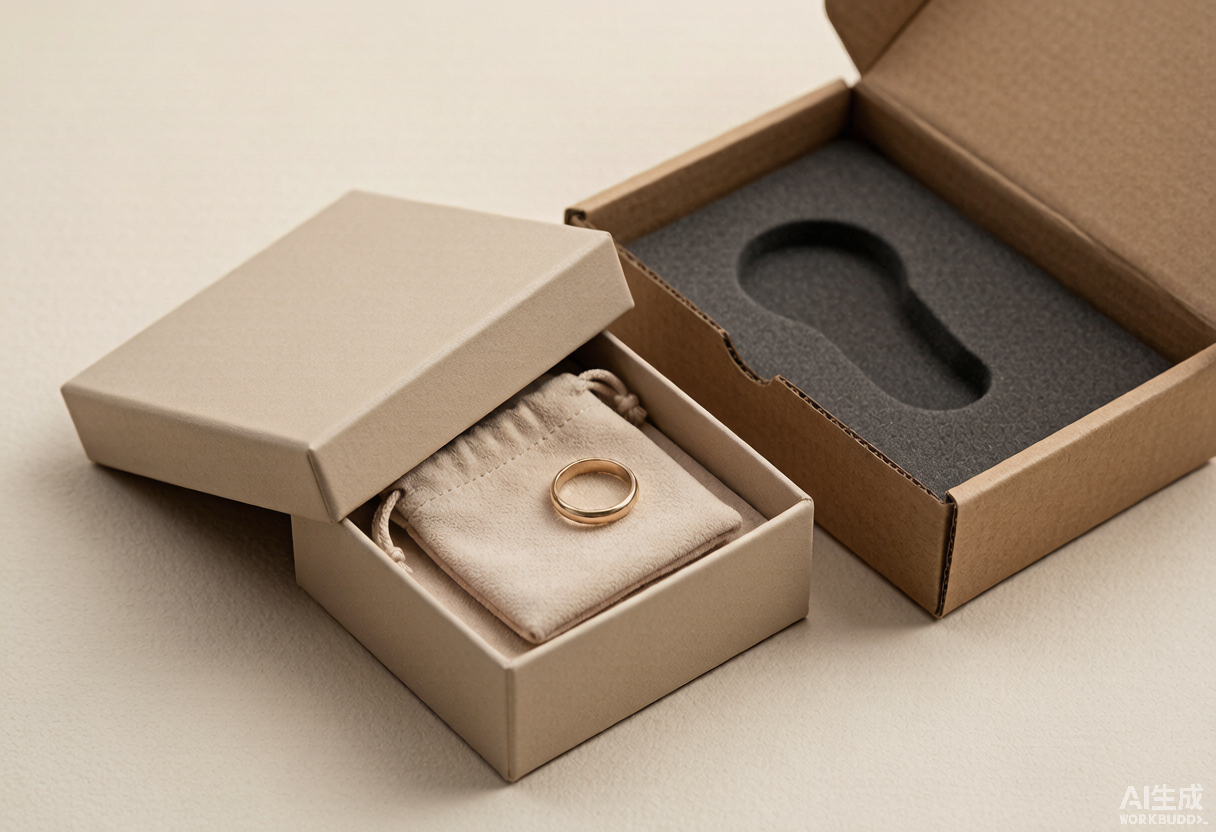
铂金重回奢侈中心 Why Platinum Is Quietly Reclaiming Luxury's Center Stage
在深圳水贝,一家大型珠宝卖场的招商人员两个月里收到近十份铂金铺位申请。同时,上海黄金交易所现货铂金一度突破520元/克。而纽约方面,国际铂金协会(PGI)对300家美国高级珠宝零售商的调研显示,76%打算在2026年增加铂金库存。
那个被黄金压了近二十年的白色金属,正回到珠宝柜台中心。但只看这一半,你会得出错误判断——世界铂金投资协会(WPIC)2026年第一季度《铂金季刊》的预测是:今年全球铂金首饰需求将下滑12%至61吨,其中中国暴跌43%。
同一种金属,同一年,一边零售商抢着进货,一边需求断崖式下跌。这不是数据打架,而是两个完全不同的市场共用了一个金属名字。
一、价差反转,开出一扇历史性的窗
今天黄金约每盎司4,739美元,铂金约2,051美元,不到一半;2008年3月铂金2,192美元,是当时黄金两倍多。近二十年估值关系彻底翻转。铂金自己并不便宜——2026年1月一度创下每盎司2,923.70美元历史高点,同比涨超100%——但放在黄金旁边,它依然是那个打折的贵金属。
二、供给端:短缺不是周期,是结构
WPIC预测2026年铂金将连续第四年供应短缺,缺口9吨;到年底地上库存降至54吨,不足全球三个月需求。核心在南非,那里出产全球七成以上铂金:自2008年以来当地工业电价涨超900%,2026年原生铂金全维持成本预计涨7.7%至每盎司1,006.14美元,矿山被迫向更深、品位更低的矿体推进。回收虽有望增长9%至57吨,但单个汽车催化剂的含铂量本身在下降。
供给不会因价格上涨而变多,这是铂金与大多数商品最大的不同。
三、需求端的撕裂
投资端在狂奔:WPIC预计2026年铂金条币需求增长27%至22吨创六年新高,中国更首次超越北美成为全球最大铂金零售投资市场。首饰端却在退潮,且极不均匀——中国预计下滑43%,美国下滑7%,日本下滑5%;印度反而恢复增长5%,欧洲有望再创新高。为什么同一种金属在不同市场走出完全相反的曲线?答案不在金属里,在卖法里。
四、按克卖,还是按叙事卖
在国内,铂金很大程度上是被当作黄金的克重平替推出去的。水贝商家把黄金库存换成铂金库存,逻辑朴素:相对低价而且精美。但这逻辑有致命缺陷——它把铂金塞进了和黄金一样的按克计价体系。一旦铂金自己涨到520元/克,平替优势消失,需求立刻塌方。再叠加上海黄金交易所自2025年11月1日取消铂金13%增值税即征即退,以及消费从大克重准投资型饰品转向铂金条,首饰端两头挤压。
美国讲了另一个故事。PGI零售晴雨表显示,2025年非婚庆铂金销量增长超24%,超半数零售商已把部分白金业务转成铂金。更值得玩味:一些零售商件数下滑,收入却双位数增长——客单价在上移。PGI美国总裁Jenny Luker的说法很关键:铂金越来越多被呈现为品质、工艺与耐久的表达,而非仅仅高端选项。卖点不是比黄金便宜,而是天然白无需铑电镀、密度更高耐日常磨损、用料通常达95%铂金含量。
印度也是叙事路线:铂金首饰连年双位数增长,男士珠宝成为最强引擎之一,2026年Akshaya Tritiya期间销量同比增长约12%到14%。PGI甚至在2024年6月推出Inoveo Platinum新合金以降低加工难度——工艺门槛长期把铂金锁在经典婚戒造型里。
结论很朴素:按克重卖的市场,涨价就是毁需求;按设计与耐久卖的市场,涨价反而抬高感知价值。任何把自己简化成每克多少钱的品类,都会在原料波动里丢掉定价权。
五、呈现端的连带反应
铂金的价值有很大一部分是看不见的:天然白、免电镀、密度带来的压手感、Pt950的纯度。这些靠标签讲不完,只能靠现场感知,而这恰恰最容易做砸。
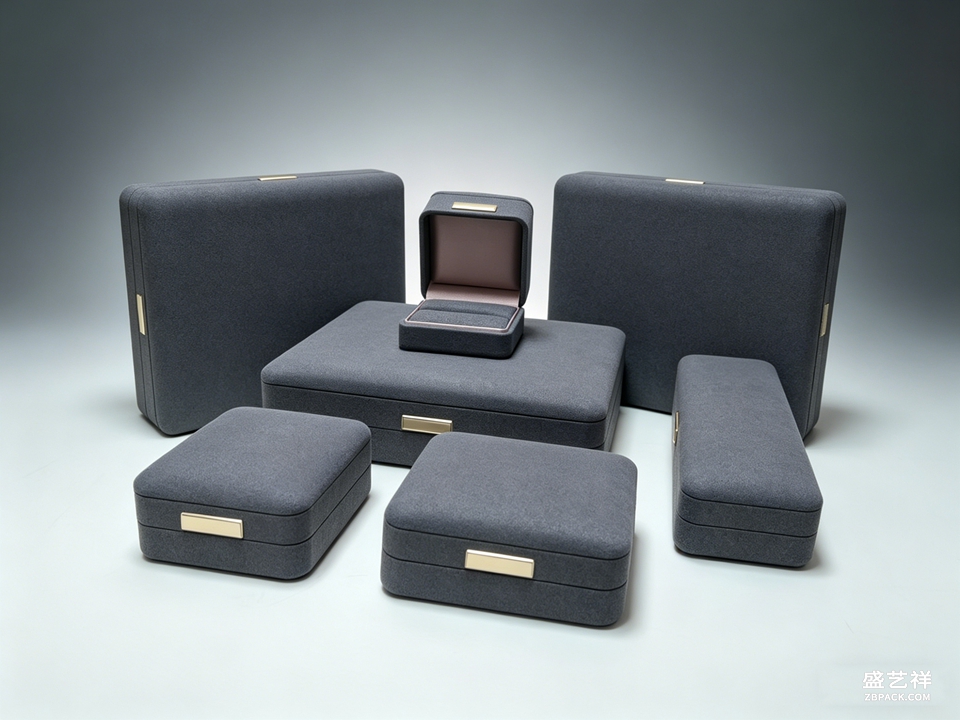
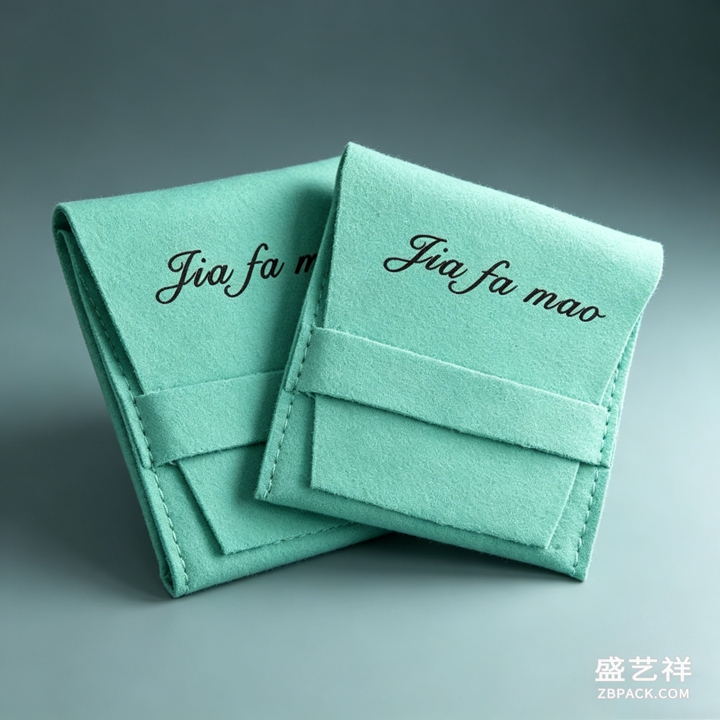
先是灯光。冷白金属在2700K暖光下会发黄发灰,火彩被吃掉一大半;铂金与银钻更适合3500至4000K、显色指数90以上的光源。其次是内衬色:暖米白与沙色是为暖调黄金准备的,衬铂金会拉低白度对比,中性偏冷的深灰、雾蓝或炭黑绒面才托得住白金属那股冷冽劲。很多品牌切换金属线时漏掉的正是这一步——产品换了,首饰盒的内衬色号没换。
最后是分量感。铂金比黄金更致密,上手一沉是最有说服力的销售动作,但前提是顾客真把它拿起来。珠宝摆台的高度、倾角与取放动线决定这个动作会不会发生:堆得太满顾客只会看,留白到位手才会伸出去。对做珠宝盒定制的厂端而言,这轮变化意味着一件具体的事——白色金属线和黄色金属线不该再共用同一套内衬方案。盛艺祥近两年的项目也在这么调:同一款盒型,为暖金与白金分别配两个内衬色阶。
六、窗口不会一直开着
等供给约束把金铂价差重新收窄,便宜的贵金属这个故事就讲不动了。能留下来的,是趁现在把铂金重新讲成耐久、纯净、值得每天佩戴的品牌,而不是只把它当黄金涨价时临时替补的商家。金属的价格由矿山和期货决定,它的身价却由怎么被讲述、怎么被呈现决定。这一点从来没变过。
本文为原创内容,版权归盛艺祥所有。如需转载请注明出处。
盛艺祥(Shengyixiang)——高端珠宝包装设计与定制专家,为品牌护航。
In Shenzhen's Shuibei jewelry district, a leasing manager at one large trading hall fielded nearly ten applications for platinum counters in the space of two months. Around the same time, spot platinum on the Shanghai Gold Exchange pushed past RMB 520 per gram. And in New York, a Platinum Guild International survey of 300 American fine jewelry retailers found that 76% intend to add platinum inventory during 2026.
All of it points to one conclusion: the white metal that spent nearly two decades in gold's shadow is moving back to the center of the jewelry case.
Read only that half, and you will draw the wrong conclusion. In its first-quarter 2026 Platinum Quarterly, the World Platinum Investment Council forecasts that global platinum jewelry demand will fall 12% this year to 61 tonnes — with China alone projected to drop 43%.
Same metal, same year: retailers scrambling to stock up on one side, demand falling off a cliff on the other. This is not a data conflict. These are two entirely different markets that happen to share a metal's name.
1. A price inversion opens a historic window
Gold currently trades around $4,739 an ounce; platinum sits near $2,051 — less than half. In March 2008, platinum fetched $2,192 an ounce, more than double gold at the time. Two decades of valuation logic have been turned upside down.
Platinum itself is hardly cheap. In January 2026 it touched an all-time high of $2,923.70 an ounce, up more than 100% year over year. But set it beside gold and it still reads as the discounted precious metal. That dislocation is where every current platinum story begins.
2. Supply: this shortage is structural, not cyclical
WPIC projects a fourth consecutive annual deficit in 2026, at 9 tonnes. By year-end, above-ground stocks are expected to fall to 54 tonnes — under three months of global demand.
The bottleneck is South Africa, source of more than 70% of world supply. Industrial electricity tariffs there have risen over 900% since 2008. All-in sustaining costs for primary platinum are forecast to climb 7.7% in 2026 to $1,006.14 an ounce, as mines chase deeper, lower-grade ore. Recycling should grow 9% to 57 tonnes, but the recoverable platinum loading in each spent autocatalyst is itself declining.
Put simply: supply does not expand just because prices rise. That is what separates platinum from most commodities, and it is the floor under this cycle.
3. A demand base splitting in two
Investment is sprinting. WPIC expects platinum bar and coin demand to rise 27% in 2026 to 22 tonnes, a six-year high. China has, for the first time, overtaken North America as the world's largest retail platinum investment market.
Jewelry is retreating — and very unevenly. China is forecast down 43%, the United States down 7%, Japan down 5%. India, meanwhile, returns to 5% growth, and Europe is on track for a record year.
Why would one metal trace opposite curves in different markets? The answer is not in the metal. It is in how the metal is sold.
4. Sold by the gram, or sold by the story
In China, platinum has largely been pushed as a cheaper per-gram substitute for gold. Shuibei traders swapped gold inventory for platinum on simple reasoning: lower price, still beautiful. But that logic carries a fatal flaw — it files platinum into the same weight-based pricing system as gold. Once platinum itself reaches RMB 520 a gram, the substitution advantage evaporates and demand collapses. Add the Shanghai Gold Exchange's removal of the 13% VAT rebate on platinum from November 1, 2025, plus a consumer shift from heavy quasi-investment pieces toward platinum bars, and the jewelry segment is squeezed from both ends.
American data tells a different story. PGI's Retail Barometer shows non-bridal platinum sales grew more than 24% in 2025, and over half of retailers have converted part of their white gold business to platinum. More telling still: some retailers reported unit declines alongside double-digit revenue growth. Average transaction value is climbing.
Jenny Luker, president of PGI USA, frames it precisely — platinum is increasingly presented as an expression of quality, craftsmanship and longevity, not merely a premium option. The pitch is not "cheaper than gold." It is naturally white with no rhodium plating required, denser and better suited to daily wear, and typically 95% pure platinum content.
India took the same narrative route. Platinum jewelry has sustained double-digit growth there for several years, with men's jewelry emerging as one of its strongest engines; volumes rose roughly 12% to 14% year over year during Akshaya Tritiya 2026. PGI went as far as launching the Inoveo Platinum alloy in June 2024 specifically to reduce manufacturing friction — because technical difficulty had long locked platinum into classic bridal silhouettes.
The lesson is unglamorous but durable. In a market that sells by weight, a price increase destroys demand. In a market that sells design and longevity, a price increase raises perceived value. Any category that reduces itself to a per-gram number surrenders its pricing power to the commodity cycle.
5. What this means at the point of presentation
A large share of platinum's value is invisible: its natural whiteness, the absence of plating, the heft that density delivers, the purity of Pt950. None of that fits on a hangtag. It has to be felt in the room — and the room is exactly where most brands get it wrong.
Start with light. Cool white metal turns yellowish and flat under 2700K warm lighting, and much of a diamond's fire is lost with it. Platinum and white diamonds want 3500K to 4000K sources with a color rendering index above 90. Then the lining: warm ivory and sand-toned interiors were designed for yellow gold, and against platinum they visibly depress the whiteness contrast. Cool-leaning charcoal, mist blue or deep grey suede is what holds up that crisp metallic edge. This is the step brands skip when they switch metal lines — the product changes, and the jewelry box lining stays the same color code.
Finally, weight. Platinum is denser than gold, and letting a client feel that heft is among the most persuasive moves on a sales floor — but only if they actually pick the piece up. The height, tilt and reach path of a display riser determine whether that happens: overcrowd the case and clients only look; leave real negative space and hands come forward. For anyone manufacturing custom jewelry boxes, this metal shift carries a concrete implication — white metal lines and yellow metal lines should no longer share one lining specification. Shengyixiang has been making the same adjustment across recent projects: one box shell, two lining tones calibrated separately for warm gold and white metal.
6. The window will not stay open
On WPIC's numbers, above-ground stocks will cover under three months of demand by the end of 2026. Once supply constraints narrow the gold-platinum gap again, the "affordable precious metal" pitch stops working.
What survives will belong to the brands using this window to retell platinum as durable, pure and worth wearing every day — not to the merchants treating it as a temporary stand-in while gold is expensive. Mines and futures markets set a metal's price. How it is described and how it is presented set its worth. That part has never changed.
This is original content. Copyright belongs to Shengyixiang.
Shengyixiang — your expert in high-end jewelry packaging design & customization.