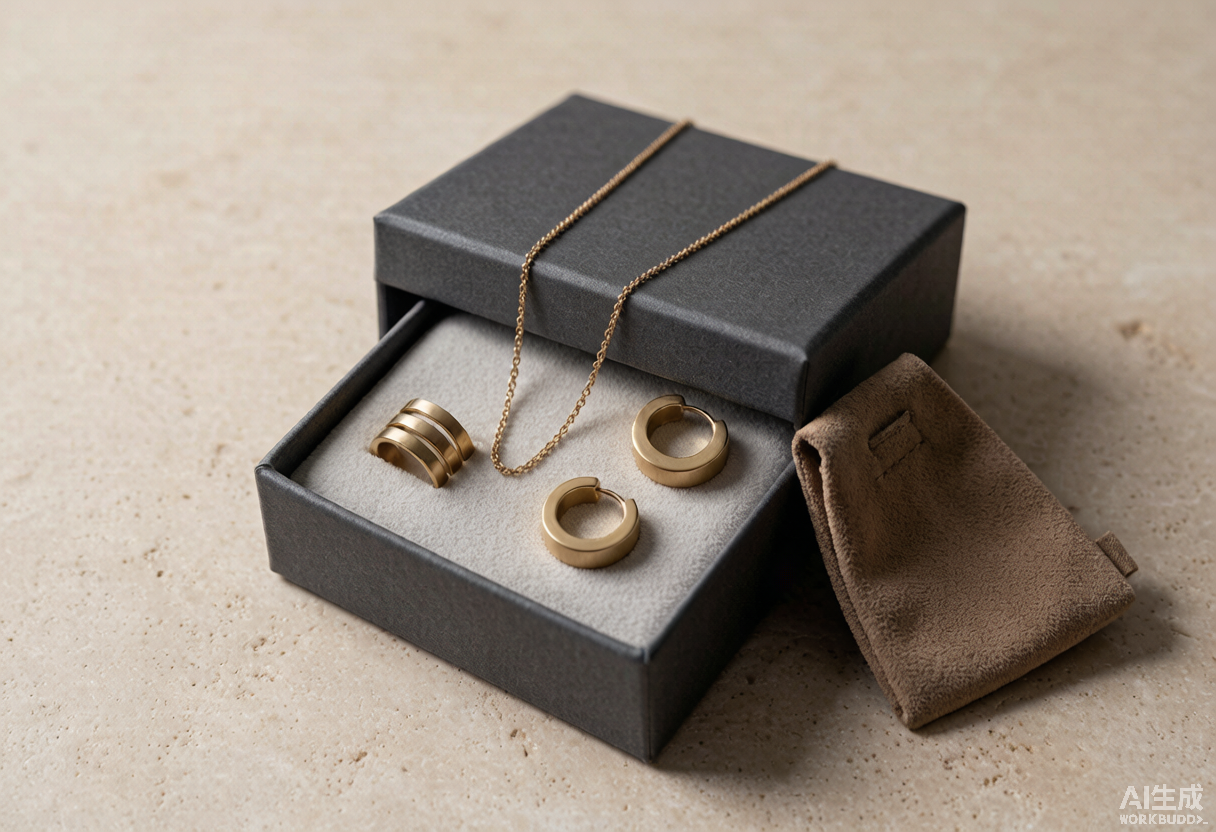
耐久改写珠宝价值 Why Durability Is Becoming Jewelry's New Luxury Standard
翻开2026年珠宝品类的搜索热度榜,涨得最猛的既不是某种宝石,也不是某种切工,而是三个几乎不像珠宝词的短语:不变色、防水、抗氧化。
数据摆在那里:tarnish-resistant(抗氧化)年增85%,tarnish-free(不变色)年增50%,耐用与可持续相关词条整体飙升近九倍。与之并列的是极简珠宝(+175%)和"平价精品珠宝"(+400%)。行业惯常关注的克拉数、成色、产地叙事,在这份榜单上反而显得安静。
一个更硬的数字来自细分市场:以镀层工艺、防水、可日常佩戴为特征的demi-fine(轻奢精品)品类,2024年规模约33.3亿美元,预计2032年增至63.1亿美元,复合年增长率8.4%;而"永久珠宝"与高端防水首饰这一更窄的赛道,预计2028年就将触及28亿美元。多份消费调研的口径虽有出入,但结论一致:约六成消费者已把耐久性与低敏性列为购买首要考量;线上时尚珠宝交易中,接近一半明确指向防水、低敏的不锈钢款式。
不是消费降级,是价值坐标换了
把这股趋势简单归因为"金价太贵所以退而求其次",会错过真正发生的事。
贵金属价格高企确实把一批入门客挤出了传统品类,但这批人并没有回到十年前那种"戴三次就发绿"的快时尚饰品。他们的要求反而更苛刻——既要价格可承受,又要能天天戴、能戴着洗澡游泳健身、一年后还得看起来是新的。
这实际上是一次价值坐标的迁移:从"这件东西值多少钱",变成"这件东西能陪我多久"。珠宝的定价逻辑长期建立在稀缺性上,而这批需求建立在在场时长上。一条只在婚礼上戴过一次的项链,和一条五年没摘过的项链,谁的单位价值更高?答案正在被重新计算。
技术底座:PVD与316L把"承诺"变成了工艺问题
支撑这轮趋势的不是营销词,是两项已经成熟的工业技术。
一是PVD(物理气相沉积)。与传统电镀把基材"蘸"一层金不同,PVD在真空腔体中让金属分子与基材在原子层面结合,膜层厚度约为普通电镀的十倍,日常佩戴条件下可维持12至24个月不褪色不掉色。二是316L外科级不锈钢,天然不含镍、符合欧盟REACH法规,被大量用作PVD的基材。此外,钛因轻质与惰性成为运动与男士线的常用材料;gold-filled(包金)以机械压合方式附着较厚金层,含金量远高于普通电镀;vermeil(鎏金银)则是925银基上的厚镀金,观感高级但仍需定期保养。
批发端的反馈很直接:明确标注"无镍、低敏"的产品,B2B平台转化率高出25%至35%;采用PVD工艺的款式订单量高出15%至20%,并能支撑5%至10%的价格上浮。不锈钢原材料成本较同类金银制品低30%至60%,利润结构因此更稳。
最值得注意的变化:珠宝开始有参数表了
这是本轮趋势里最容易被忽略、也最具颠覆性的一点。
2025年的品牌调研显示,43%的买家会在下单前查看镀层微米数。美国FTC《珠宝指南》要求品牌披露镀层类型与厚度,一批品牌干脆把XRF检测报告直接贴到商品详情页上。3微米成为高端线的常见标称值。
请注意这意味着什么:一件首饰的说服力,第一次不再主要来自故事、产地或设计师署名,而来自一份检测报告。购买链路里多了一段技术尽调——消费者像挑家电一样挑首饰,比参数、看认证、查报告。
但参数本身也藏着陷阱。同样标称3微米的PVD镀层,实际寿命可能相差数倍,因为决定成败的往往不是标称厚度,而是镀前基材的清洁度与表面处理。基材上残留的油污或微划痕,会在镀层下形成起泡点,几个月就开始起皮。这类"看不见的工序",恰恰是接下来品牌之间真正的分水岭:谁能把它讲清楚、验得出,谁就握住了信任。
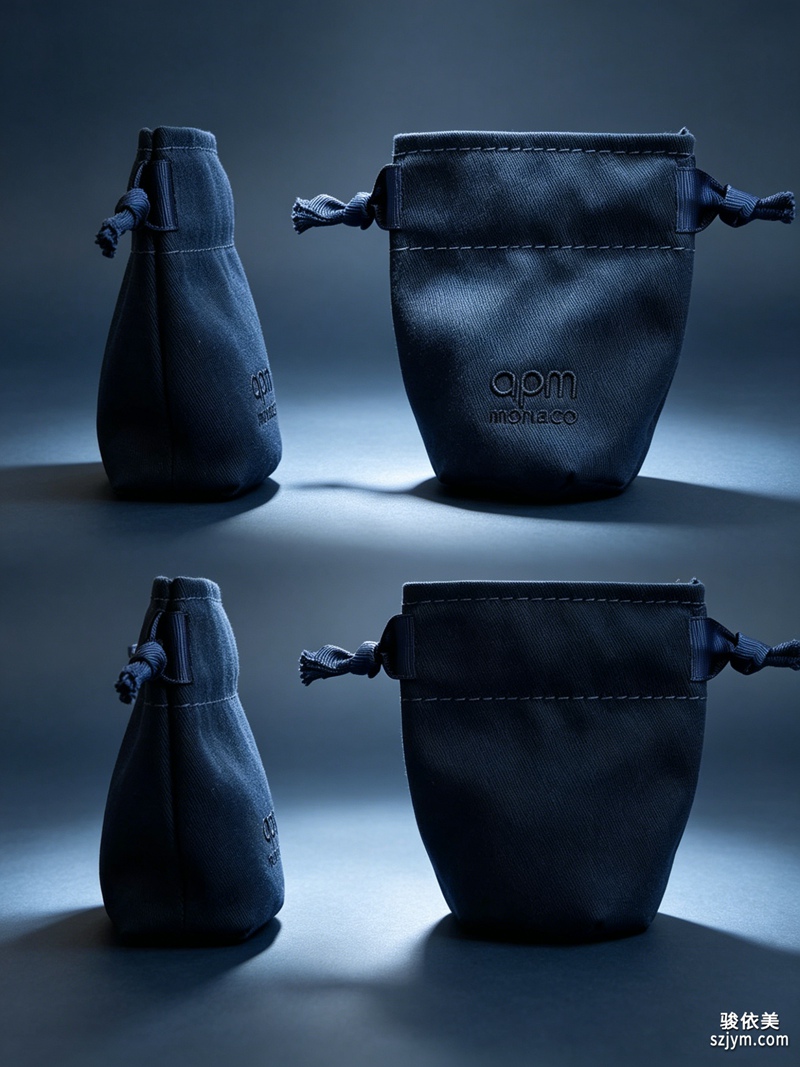
连带反应:呈现端的逻辑也得跟着改
耐久型产品线给零售呈现出了两道新题。
第一道是悖论式的:产品卖点是"不用摘、不用保养",但交易仍需要一个可信的物理载体。饰品包装盒的角色因此发生位移——它不再主要承担日常收纳,而是变成一份承诺凭证。盒内需要一个明确卡位,用来安放质保卡、镀层参数与检测编号;把技术信息做进包装结构,比印在吊牌上更有分量。
第二道是使用频次的错位。24小时佩戴意味着盒子在开箱之后长期是空的,它的价值前移到第一印象、后移到旅行与临时收纳。在这类产品线中,首饰袋的实际使用频次往往高于盒子,值得被当作主要配件而非附赠品来设计。
护饰重点也变了。PVD与不锈钢本就不惧水汽,抗氧化片与干燥剂的边际作用明显下降;真正的杀手是多件混装时的相互摩擦——镀层不怕潮,怕硬碰硬的刮擦。独立卡位、低摩擦内衬、避免金属扣件直接接触,才是这类产品线的护饰核心。
陈列端同样需要调整。拉丝与哑光金在冷白光下容易泛灰,镜面不锈钢则会把周边杂色反射进画面。珠宝陈列道具应减少高光亮面、控制可见反射源,色温建议3500至4000K、显色指数大于90,让金属本身的层次成为主角。
写在最后
耐久不是把珠宝做便宜,而是把承诺做长。
过去这个行业擅长贩卖一个瞬间——求婚、周年、毕业、颁奖。现在有一批产品开始贩卖三年、五年之后依然如新的确定性。这门生意更难做,因为承诺一旦写进参数表,就必须在材料、工艺、呈现的每一环兑现。但它也更扎实:当消费者愿意用"陪伴时长"给一件首饰定价,行业就获得了一条不必依赖金价涨跌的增长曲线。
本文为原创内容,版权归盛艺祥所有。如需转载请注明出处。
盛艺祥(Shengyixiang)——高端珠宝包装设计与定制专家,为品牌护航。
Look at the fastest-rising jewelry search terms of 2026 and you will not find a gemstone or a cut at the top. You will find three phrases that barely sound like jewelry vocabulary at all: non-tarnish, waterproof, oxidation-resistant.
The numbers are unambiguous. Searches for "tarnish resistant" are up 85% year on year, "tarnish free" up 50%, and the broader cluster of durability-and-longevity terms has climbed close to ninefold. Sitting alongside them are minimalist jewelry (+175%) and affordable fine jewelry (+400%). Carat weight, colour grade and origin storytelling — the industry's habitual talking points — are comparatively quiet on this list.
A harder figure comes from the category data. Demi-fine jewelry, defined by advanced plating, water resistance and genuine everyday wearability, was worth roughly USD 3.33 billion in 2024 and is projected to reach USD 6.31 billion by 2032, a compound annual growth rate of 8.4%. The narrower lane of permanent and premium waterproof jewelry is forecast to touch USD 2.8 billion as early as 2028. Consumer surveys differ in methodology but converge on the conclusion: around six in ten buyers now rank durability and hypoallergenic properties among their primary purchase criteria, and close to half of online fashion jewelry transactions explicitly target waterproof, skin-safe stainless steel pieces.
This is not trading down. The value axis has moved.
Explaining the shift as "gold got expensive, so people settled for less" misses what is actually happening.
High precious metal prices have certainly pushed entry-level buyers out of traditional categories. But those buyers have not returned to the fast-fashion accessories of a decade ago, the ones that turned skin green after three wears. If anything their demands are stricter: affordable, wearable every single day, survivable through showers, swimming and the gym, and still convincingly new twelve months later.
What we are watching is a migration of the value axis — from "what is this worth" to "how long will this stay with me." Jewelry pricing has historically rested on scarcity. This demand rests on wear time. Which necklace carries more real value per unit: the one worn once at a wedding, or the one that has not come off in five years? The answer is being recalculated.
The technical foundation: PVD and 316L turn a promise into a process
Two mature industrial technologies underpin the trend, not a marketing slogan.
The first is PVD, physical vapour deposition. Where conventional electroplating dips a base metal into a gold bath, PVD bonds metal molecules to the substrate at the atomic level inside a vacuum chamber. The resulting film is roughly ten times thicker than standard plating and holds its colour through twelve to twenty-four months of daily wear. The second is 316L surgical-grade stainless steel, naturally nickel-free, compliant with EU REACH, and now the default substrate for PVD work. Titanium has become the material of choice for sports and men's lines thanks to its low weight and inertness. Gold-filled construction mechanically bonds a substantially thicker gold layer than plating can achieve. Vermeil, thick gold over a sterling silver base, looks premium but still asks for periodic care.
Wholesale feedback is blunt. Products clearly labelled nickel-free and hypoallergenic convert 25% to 35% better on B2B platforms. PVD-finished lines attract 15% to 20% higher order volumes and support a 5% to 10% price premium. With stainless steel raw material running 30% to 60% below comparable silver and gold, the margin structure is considerably more stable.
The change that matters most: jewelry now has a spec sheet
This is the least discussed and most disruptive element of the whole shift.
A 2025 brand survey found that 43% of buyers check plating thickness in microns before clicking buy. The US FTC Jewelry Guides require disclosure of plating type and thickness, and a growing number of brands simply publish XRF test reports on the product page. Three microns has become a common claim on premium lines.
Consider what that implies. For the first time, a piece of jewelry's persuasive power comes not primarily from a story, a provenance or a designer signature, but from a test report. A layer of technical due diligence has entered the purchase journey. Consumers are shopping for jewelry the way they shop for appliances — comparing specifications, checking certifications, reading documentation.
The specifications hide a trap, though. Two coatings both declared at three microns can differ several-fold in actual service life, because what usually determines the outcome is not nominal thickness but substrate cleanliness and surface preparation before coating. Residual oil or micro-scratches on the base metal create blistering points beneath the film, and flaking begins within months. These invisible process steps are where the real divide between brands will open up. Whoever can explain and verify them owns the trust.
Knock-on effects: presentation logic has to change too
Durability-led product lines pose two new problems at retail.
The first is paradoxical. The selling point is that the piece never needs to be removed or maintained, yet the transaction still requires a credible physical vehicle. The role of the jewelry box shifts accordingly: it stops being primarily a storage container and becomes a certificate of promise. The interior needs a dedicated slot for the warranty card, the plating specification and the test reference number. Building technical information into the packaging structure carries far more weight than printing it on a hangtag.
The second is a mismatch in usage frequency. Round-the-clock wear means the box sits empty for most of its life. Its value moves forward to the first impression and backward to travel and temporary storage. In this category the pouch is often handled more frequently than the box, which argues for designing it as a primary accessory rather than a giveaway.
Protection priorities shift as well. PVD finishes and stainless steel are indifferent to humidity, so anti-tarnish strips and desiccants deliver diminishing returns. The genuine threat is abrasion between pieces stored together — coatings do not fear moisture, they fear hard contact. Individual seating, low-friction linings and keeping metal clasps from touching adjacent items are what actually protect this class of product.
Display needs recalibration too. Brushed and matte gold finishes go grey under cold white light, while mirror-polished steel reflects surrounding colour noise straight into the frame. Display props should reduce high-gloss surfaces and control visible reflection sources, with colour temperature around 3500 to 4000K and a colour rendering index above 90, letting the metal's own texture lead.
A closing thought
Durability is not about making jewelry cheaper. It is about making the promise last longer.
This industry has long excelled at selling a single moment — the proposal, the anniversary, the graduation, the award. A cohort of products is now selling something else: the certainty of looking new three or five years from now. That is a harder business, because once a promise is written into a spec sheet it has to be honoured at every step, from material to process to presentation. It is also a sturdier one. When consumers are willing to price a piece by how long it stays with them, the industry gains a growth curve that does not depend on the price of gold.
This is original content. Copyright belongs to Shengyixiang.
Shengyixiang — your expert in high-end jewelry packaging design & customization.