小件包装最见功夫 Why Small Jewelry Packaging Is Hardest to Perfect
一枚戒指只有指节那么大,装它的盒子却常常决定顾客对这枚戒指的第一印象。小件饰品——戒指、耳钉、细链吊坠——是珠宝店里成交笔数最多的一类,也是包装最容易被做砸的一类。下面用六个高频问题,把小件包装与陈列的门道讲清楚。
问一:戒指盒、耳钉盒看着简单,为什么反而最难做?
先看盘子有多大。全球珠宝礼盒市场按产品细分,戒指盒 2025 年约占总收入的 31.6%、折合约 15.2 亿美元,是最大的单一子类;项链吊坠盒占 24.3%,手链盒 19.8%,耳饰盒 16.4%,表盒、胸针托与旅行盒合计 7.9%。材质结构上,纸质占 38.4% 稳居第一,塑料 22.1%,金属 19.3%,木质 14.8%。价格带上,奢华戒指盒对零售商的批发价在每只 8 至 45 美元,超高端定制款可以超过 100 美元。
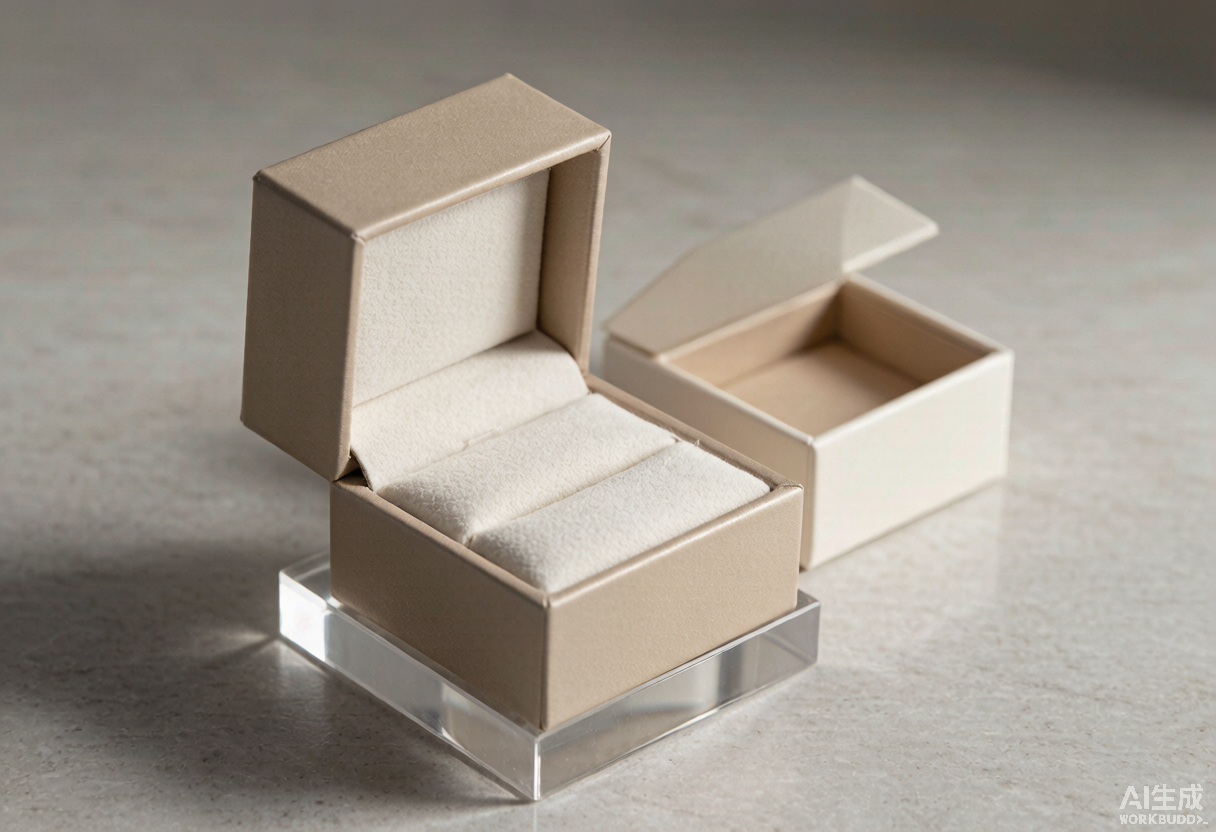
难点在于,小件盒每平方厘米要承载的"仪式感密度"是最高的。戒圈从 8 号到 24 号跨度很大,戒枕开槽公差差 1 毫米,戒指放进去就会歪;耳钉针细,卡位孔径大 0.3 毫米就会晃动摩擦。大尺寸礼盒可以靠体量撑气场,小盒子只能靠公差和手感说话。这也是为什么同一家工厂做项链盒合格率很高,做戒指盒却返工不断。
问二:高端简约的珠宝包装,为什么更容易被顾客青睐?
先看两个数字:61% 的线上购物者会把优质包装直接等同于"这个品牌更好";约 40% 的消费者会因为包装出彩而主动在社交平台分享。
但在小件上,"简约"绝不等于省装饰。眼下最明显的趋势是超薄戒指盒——整体厚度压到 1 英寸(约 25 毫米)以内,内置可旋转戒托,外覆细密荔枝纹革面;单戒款尺寸做到 75×75 毫米,取代过去那种大而空的多件礼盒。它受欢迎的理由很实在:注意力回到戒指本身,求婚时能平放进西装内袋不鼓包,特写照片也更耐看。
反过来看差评更能说明问题。电商平台上木质戒指盒的负面反馈中,33.8% 是"比想象中小",23.5% 是"刻字质量不稳定"。顾客不满的从来不是装饰少,而是尺寸与工艺不可控。所以小件的简约是高门槛的:外观做减法,公差做加法。这恰恰是首饰盒设计在小件品类上最考验工厂的地方。
问三:耳钉这类小件,到底该用卡纸还是用盒?
按价位分。行业通行做法是:耳钉用平板卡,打孔间距约 0.5 英寸(13 毫米);耳坠用挂卡,底部预留 2 英寸(约 50 毫米)净空防止缠绕。卡纸的优势是成本低、陈列密度高、可挂可插;劣势也很明确——镀层完全暴露,运输和顾客翻拣中容易蹭花,退货原因里"表面微划痕"占比一直不低。
盒装赢在保护与交付感。耳饰盒占礼盒市场 16.4%,且随着叠戴与"耳部策展"流行,能一次容纳 2 至 5 对的多格耳饰盒需求正在上涨。
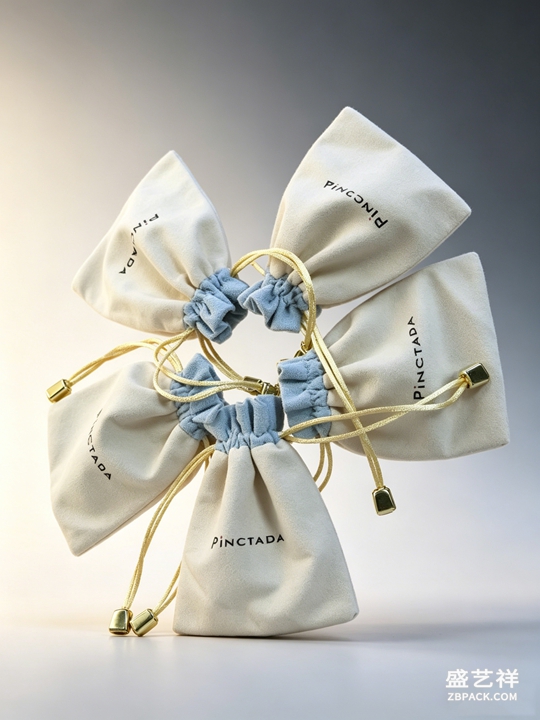
落到实操,建议按客单价分三档:入门款走卡纸加防氧化小袋;中档走浅抽屉盒配独立卡位;高单价成套走多格盒。别让一副 89 元的耳钉背一只 25 元的盒子,也别让一副 1200 元的耳钉躺在一张卡纸上。
问四:小件在柜台里总被一眼掠过,怎么办?
这是陈列问题,不是包装问题。几个来自零售端的经验值得参考:高价小件放到视线高度陈列(离地 30 至 40 英寸、约 76 至 102 厘米),销售表现比放在柜台以下位置高出约 35%;放在高客流动线上的品类,曝光可提升约 30%;在收银台旁设小件冲动购点位(耳钉、小挂坠),每月更换一次陈列,可带来约 15% 的冲动购增量。
道具选择上,旋转耳架能节省约 60% 的台面空间;分层托盘与亚克力抬升件做出"看台式"高度差,让后排小件不被前排挡住;绒面托盘除了质感,实际作用是防滑,避免戒指滚位。一句话,珠宝摆台的高度差往往比它的造型更值钱。
问五:小件包装的成本账,最容易在哪里算错?
错在只看单只价格,不看占比。一只银戒的制造成本可能和它的盒子在同一个量级,包装成本占售价的比例,在小件上天然偏高。
可参考的区间是:常规环保小盒每只 0.5 至 1.5 美元;定制品牌盒在起订 500 只时每只 1.2 至 3.5 美元;使用可持续材料的奢华硬质盒每只 3.5 至 8 美元。环保升级的溢价也有规律:再生纸板约上浮 5% 至 8%,可降解内衬 10% 至 20%,多功能可复用结构 20% 至 35%。
好消息是小单门槛在快速下降。手工硬质盒的起订量已经能做到 30 至 50 只,柔性供应链 50 件起订,小众品牌和快闪店不必再为包装压库存。做珠宝盒定制时,先用小批量把结构、颜色与开合手感验证过,再上量产版,比一次性冲大货稳妥得多。
问六:什么样的小件盒,顾客不会随手扔掉?
答案是能被二次使用的那一类。麦肯锡 2025 年的一项消费者调研显示,73% 的珠宝买家会保留并重复使用"好看又好用"的包装,其中 41% 明确表示这直接提升了对品牌的好感度。
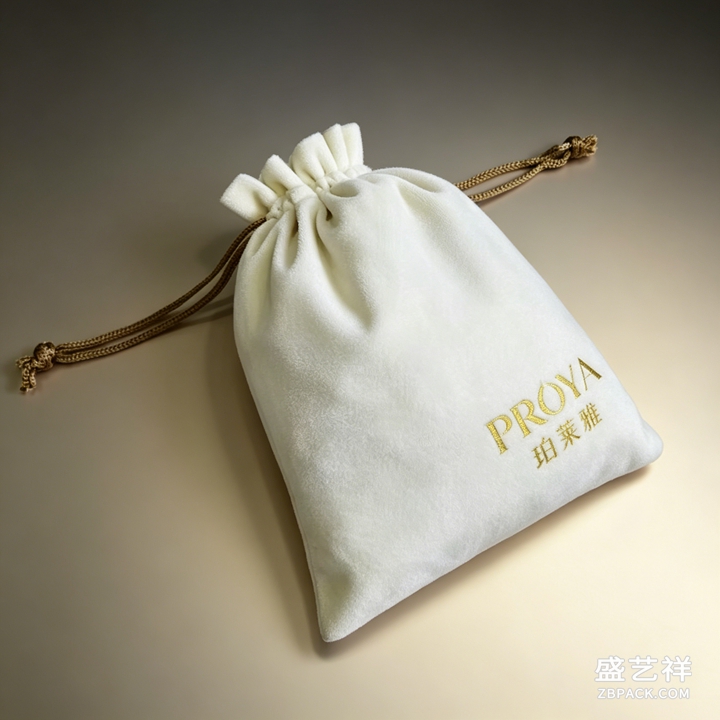
落到结构上有几种成熟做法:戒指盒做成可外带的迷你旅行收纳;耳饰盒内衬整体可抽出,变成梳妆台上的分格托盘;盒盖用磁吸取代合页,减少长期开合后的松动。多功能可复用结构的批发价会贵 20% 至 35%,但换来的是一个长期货架位——顾客的梳妆台。
最后提醒一条节奏:天鹅绒戒指盒这类品项的搜索热度高度集中在第四季度,峰值月份指数能冲到 88,其余月份接近低谷。小件礼盒的备货要按峰值算而不是按年均算,饰品包装盒的库存压力往往就是被这条曲线拉出来的。
小件包装真正的功夫不在花样,而在毫米级的贴合、够用的保护,以及顾客愿不愿意把它留下来。
本文为原创内容,版权归盛艺祥所有。如需转载请注明出处。
盛艺祥(Shengyixiang)——高端珠宝包装设计与定制专家,为品牌护航。
A ring is barely the size of a knuckle, yet the box around it often decides what a customer thinks of that ring in the first two seconds. Small pieces — rings, studs, fine pendant chains — make up the highest transaction volume in most jewelry stores, and they are also the category where packaging most often goes wrong. Here are six questions we are asked most often.
Q1: Ring boxes and stud boxes look simple. Why are they the hardest to make?
Start with the size of the category. Within the global jewelry gift box market, ring boxes accounted for roughly 31.6% of total revenue in 2025, about USD 1.52 billion, making them the single largest sub-segment. Necklace and pendant boxes held 24.3%, bracelet boxes 19.8%, earring boxes 16.4%, and watch boxes, brooch holders and travel cases together 7.9%. By material, paper leads at 38.4%, followed by plastic at 22.1%, metal at 19.3% and wood at 14.8%. On price, luxury ring boxes wholesale to jewelers at roughly USD 8 to 45 per unit, with ultra-premium custom formats exceeding USD 100.
The difficulty is that a small box has to carry the highest density of ceremony per square centimeter. Ring sizes span a wide range, and a one-millimeter deviation in the slot of a ring riser is enough to make the ring sit crooked. Stud posts are thin; a hole 0.3 mm too wide lets the piece shift and rub. A large presentation box can borrow presence from its sheer volume. A small box only has tolerances and tactile quality to work with. That is why the same factory can run necklace boxes with a high pass rate and still rework ring boxes repeatedly.
Q2: Why do restrained, minimal jewelry boxes win customers over?
Two figures set the context. About 61% of online shoppers equate premium packaging with a better brand, and roughly 40% will share a product on social media if the packaging stands out visually.
But on small pieces, minimal does not mean stripped down. The clearest current trend is the slim ring box: under one inch (about 25 mm) thick, fitted with a rotating ring riser and wrapped in fine pebble-grain leatherette. Single-ring formats are being cut down to roughly 75 by 75 mm, replacing the oversized multi-piece cases of the past. The reasons are practical. Attention returns to the ring itself, the box lies flat in a jacket pocket without a telltale bulge during a proposal, and close-up photography looks better.
Negative reviews prove the point even more clearly. Among complaints about wooden ring boxes on marketplaces, 33.8% concern the box being smaller than expected and 23.5% concern inconsistent engraving quality. Customers are not unhappy about a lack of decoration; they are unhappy about dimensions and craftsmanship they cannot predict. Minimalism in small formats is therefore a high bar: subtract from the appearance, add to the tolerances.
Q3: For studs, should you use a card or a box?
It depends on the price tier. The common industry practice is flat display boards for studs with hole spacing of about 0.5 inch (13 mm), and hanging cards for drops with about 2 inches (50 mm) of clearance below to prevent tangling. Cards are cheap, dense on a display and easy to hang or slot in. The downside is equally clear: the plating is fully exposed, pieces scuff during transit and customer handling, and surface micro-scratches remain a persistent share of return reasons.
Boxes win on protection and on the sense of handover. Earring boxes hold 16.4% of the gift box market, and as ear stacking and curated ear styling spread, demand is rising for multi-compartment cases that present two to five pairs together.
In practice, split by average order value into three tiers: entry pieces on cards with an anti-tarnish pouch; mid-tier in shallow drawer boxes with individual slots; high-value sets in multi-compartment cases. Do not put a modest pair of studs into an expensive box, and do not leave an expensive pair lying on a card.
Q4: Why do small pieces disappear inside a display case?
This is a display problem, not a packaging problem. Several retail benchmarks are worth borrowing. High-value small pieces placed at eye level, roughly 30 to 40 inches (76 to 102 cm) from the floor, sell about 35% better than the same pieces below counter level. Categories placed along high-traffic paths can gain around 30% in exposure. An impulse point near the checkout for studs and small pendants, refreshed monthly, can add roughly 15% in impulse purchases.
On fixtures, a rotating earring tree saves about 60% of counter space. Tiered trays and acrylic risers create stadium-style height differences so that pieces at the back are not blocked by those in front. A suede-lined tray is not only about texture; its real job is grip, keeping rings from rolling out of position. In short, the height differential of a display fixture is usually worth more than its silhouette.
Q5: Where does the cost math on small-piece packaging go wrong?
It goes wrong when buyers look only at unit price and ignore the ratio. The manufacturing cost of a silver ring can sit in the same range as the cost of its box, so packaging naturally takes a higher share of retail price on small pieces.
Useful reference ranges: standard eco-friendly small boxes at USD 0.50 to 1.50 per unit; custom branded boxes at USD 1.20 to 3.50 per unit at a 500-piece minimum; luxury rigid boxes in sustainable materials at USD 3.50 to 8.00 per unit. Sustainability upgrades follow their own pattern: recycled paperboard adds roughly 5% to 8%, biodegradable inserts 10% to 20%, and multi-functional reusable structures 20% to 35%.
The good news is that the small-order barrier keeps falling. Handmade rigid boxes are now available from 30 to 50 pieces, and flexible suppliers accept runs from 50 units, so boutique brands and pop-ups no longer need to carry packaging inventory. Validate structure, color and closing feel in a small batch first, then move to a production run. It is far safer than committing to a large order in one step.
Q6: What kind of small box does a customer actually keep?
The kind that has a second use. A 2025 McKinsey consumer study found that 73% of jewelry buyers keep and reuse packaging they consider beautiful and functional, and 41% of them say it directly increased their affinity for the brand.
Several structural approaches are proven. Turn the ring box into a mini travel case that can leave the house. Make the earring tray fully removable so it becomes a compartment tray on a dresser. Replace hinges with magnetic closures to avoid the looseness that develops after long use. Multi-functional reusable designs carry a 20% to 35% wholesale premium, but what they buy is a permanent shelf position on the customer's dresser.
One final note on timing. Search interest in categories such as velvet ring boxes is heavily concentrated in the fourth quarter, peaking at an index of 88 while sitting near the floor for most of the year. Stock small gift boxes against the peak rather than the annual average; that curve is usually the real source of inventory pressure.
The real craft in small-piece packaging is not ornament. It is millimeter-level fit, protection that is sufficient rather than excessive, and whether the customer chooses to keep the box at all.
This is original content. Copyright belongs to Shengyixiang.
Shengyixiang — your expert in high-end jewelry packaging design & customization.