智能陈列让珠宝会说话 When Displays Learn to Sell
当恒信钻石郑州旗舰店把展柜升级为「科技 + 情感」方案后,月销售额增长 85%,转化率从 18% 升到 27%,顾客平均停留从 15 分钟拉长到 35 分钟;I Do 的互动橱窗让路人平均驻足 3.4 分钟,是传统静态橱窗的 5 倍。珠宝陈列正在从「放货的架子」变成「会说话的销售」——而这场变化,正和包装一起,重写门店的第一印象。
问一:珠宝店的「智能陈列」到底在解决什么?
三个老问题:停留短、转化低、体验浅。传统柜台顾客平均停留十几分钟就走,转化率常年在 20% 上下。智能陈列把「看」变成「参与」:恒信引入钻石火彩互动墙与 AR 试戴后,停留从 20 分钟延到 45 分钟、定制转化提升 25%;奥拓电子为珠宝零售做的智能系统,单店转化率提升 30%,已辐射 4000 余家门店。核心不是堆科技,是把注意力留住、把信任建立起来。这也意味着珠宝陈列道具不再是静态摆件,而要预留接口——触控、感应、供电,都提前设计。
问二:LED 和灯光,在智能陈列里到底扮演什么角色?
不是「更亮」,是「更准」。智能陈列的灯可以分区色温、动态调光、按品类匹配:钻石铂金用 5500K 冷白、显色指数做到 98,火彩才出得来;黄金用 3000K 暖光。普通柜的「死光」把所有珠宝照成一个色温,智能柜让每件各归其位。众裕的透明展示柜做到透光率 70% 以上、触控响应 50 毫秒以内、450cd/㎡ 高亮,商场强光下画面依旧清晰。灯是陈列的语法,智能让语法可变、可随场景切换。
问三:互动屏、AR 试戴,是真的有用还是噱头?
数据证明有用,但前提是「克制」。千百度为「匠心珠宝」做的智能鉴赏系统,触摸放大 4C 参数、讲设计故事,停留从 20 分钟到 45 分钟、转化提升 25%;奥拓在深圳水贝产业带的方案让单店转化提升 30%。但科技一旦喧宾夺主,珠宝就成了配角。好的智能陈列,屏幕是「翻译官」——把工艺、参数、故事讲给人听,而不是抢戏的演员。这也要求珠宝摆台与展示架的材质足够哑、足够稳,别在镜头和灯光下反光抢戏。
问四:高端简约的包装,在智能陈列场景里为什么反而更吃香?
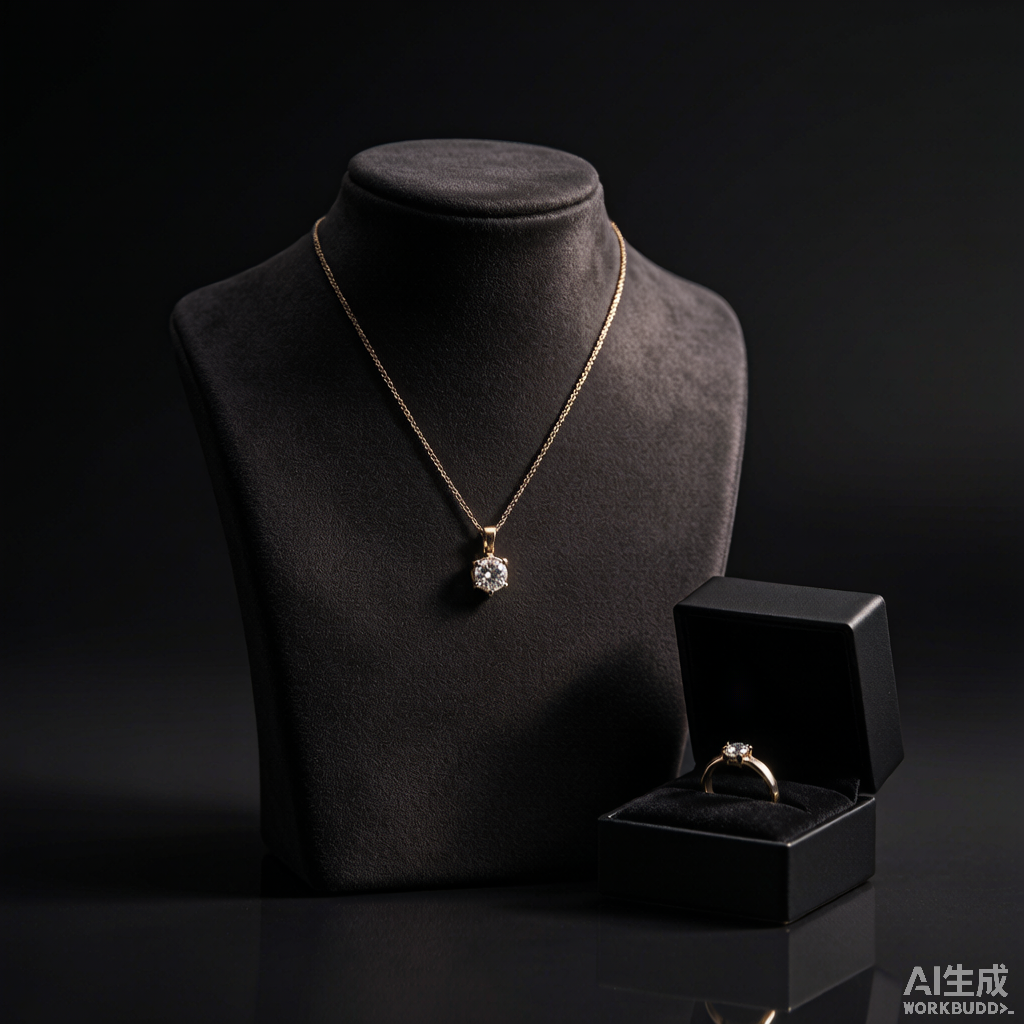
老板一直强调:高端简约珠宝首饰品包装设计,更容易被顾客青睐。在智能陈列里这条更成立。屏幕时代,满版烫金细密印花在手机和监控里糊成噪点,大面积纯色加一枚干净标识反而可辨;留白让珠宝当主角,内衬是舞台不是背景板;智能柜的灯下,简约盒子不抢戏、不反光,把全部容错交给结构工艺。简约不是省钱,是把预算从表面挪到结构与公差——这点,珠宝盒定制与盛艺祥的高端包装设计思路完全一致。
问五:智能陈列怎么和小批量、可复用的包装配合?
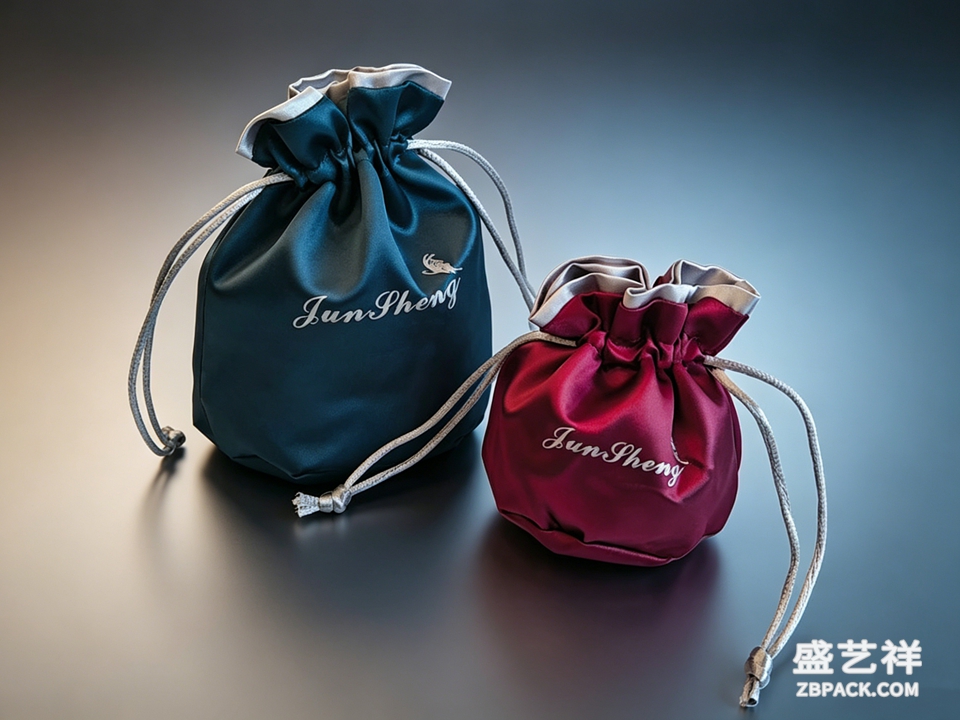
别各做各的。结构是主盒常年通用,节日感只做在可替换腰封、卡片、丝带上;NFC 或二维码把「盒子里讲不完的故事」接到手机里,顾客离店后还能看。柔性供应链让中小品牌也能跑通「限量展陈 + 限量包装」的组合。珠宝展示架与包装盒做成同一套视觉语言——盒是成交后交付物,道具是成交前铺垫——两者共用主色、Logo、开合手势,体验才闭环。
问六:中小品牌上智能陈列,坑在哪、怎么起步?
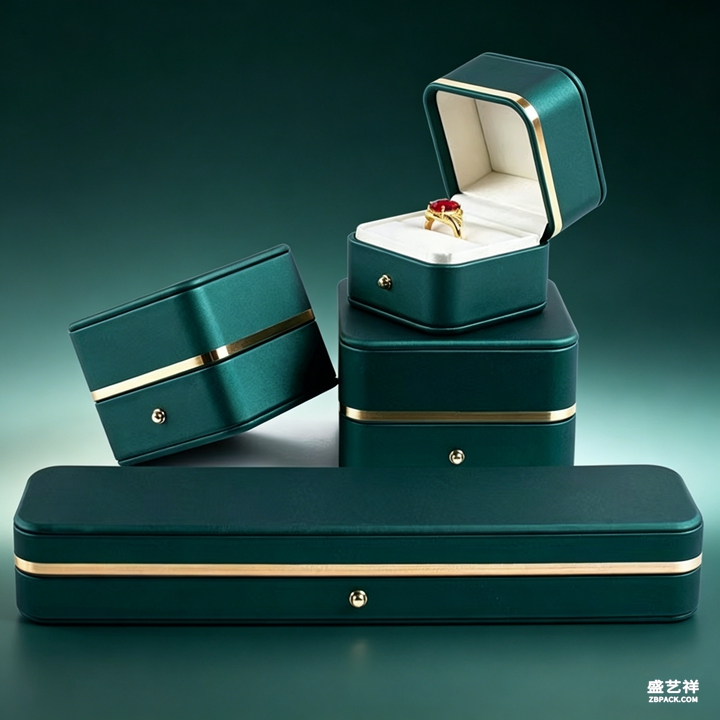
坑在「一上来就砸大屏」。正确起步:①先换一盏好灯——分区色温、显色 95 以上,这是性价比最高的改造;②加一个触摸展托或旋转中岛,让顾客上手;③先采集数据(停留、互动频次),再决定加什么;④包装和陈列共用一套识别语言,别让盒子与柜台各说各话。I Do 用「再生光影纤维」把布展耗材降了 85%,说明智能也可以很可持续。珠宝陈列道具的智能化,本质是让「人愿意停、愿意信、愿意买」这三件事变得可度量。本文为原创内容,版权归盛艺祥所有。如需转载请注明出处。
盛艺祥(Shengyixiang)——高端珠宝包装设计与定制专家,为品牌护航。
When Hengxin Diamond's Zhengzhou flagship upgraded its cases to a "technology + emotion" concept, monthly sales rose 85%, conversion climbed from 18% to 27%, and average dwell time stretched from 15 to 35 minutes. I Do's interactive window held passers-by for 3.4 minutes on average — five times a static window. Jewelry display is shifting from "a rack that holds goods" to "a salesperson that speaks" — and together with packaging, it is rewriting the first impression of the store.
Q1. What exactly does "smart display" solve for a jewelry store?
Three old problems: short dwell, low conversion, shallow experience. At a traditional counter a shopper lingers ten-odd minutes and leaves; conversion hovers around 20%. Smart display turns "looking" into "participating". After Hengxin added a diamond-fire interaction wall and AR try-on, dwell went from 20 to 45 minutes and custom conversion rose 25%. Aoto Electronics' retail system lifted single-store conversion 30% and now reaches 4,000+ stores. The point is not the tech for its own sake — it is holding attention and building trust. That also means jewelry display props are no longer static objects; they must reserve interfaces — touch, sensing, power — designed in from the start.
Q2. What role do LED and lighting actually play in a smart display?
Not "brighter" — "more precise". Smart lighting can zone color temperature, dim dynamically and match by category: diamonds and platinum at 5500K cool white with 98 CRI so the fire shows; gold at 3000K warm. A conventional case's "dead light" flattens every stone to one temperature; a smart case puts each piece in its place. Zhongyu's transparent showcase hits over 70% light transmission, under 50ms touch response and 450cd/m² brightness so the image stays sharp even under a mall's glare. Light is the grammar of display; intelligence makes that grammar variable.
Q3. Are touchscreens and AR try-on real, or just hype?
The data says real — but only when restrained. Qianbai used a smart appreciation system that zooms into 4C parameters and tells the design story; dwell went 20 to 45 minutes and conversion up 25%. Aoto's Shuibei solution lifted single-store conversion 30%. But once tech upstages the jewelry, the stone becomes the supporting act. A good smart display uses the screen as a translator — explaining craft, specs and story — never as the lead actor. That demands display busts and stands with matte, stable surfaces that don't glare back at the camera and lights.
Q4. Why does minimalist packaging actually look more premium in a smart display?
The boss has long stressed that high-end, minimalist jewelry packaging design is more favored by customers. Inside a smart display that point is even stronger. On screens, dense gilt patterns blur into noise; large clean color blocks with one crisp mark stay legible. Negative space lets the jewelry be the hero; the lining is a stage, not a backdrop. Under a smart case's lighting, a minimal box doesn't fight for attention or reflect — it pushes all the tolerance onto structure and craft. Minimalism isn't cheap; it moves budget from surface to structure and tolerance, exactly the logic behind jewelry box customization and Shengyixiang's high-end packaging design.
Q5. How do smart displays pair with small-batch, reusable packaging?
Don't build them separately. Keep the master box constant year-round and put the festive feel only into swappable belly bands, cards and ribbons; let an NFC tag or QR code carry the story that doesn't fit in the box, so the customer keeps reading after leaving. Flexible supply chains let smaller brands run a "limited display + limited packaging" combo. Make the display stand and the box one visual language — the box is the post-sale deliverable, the prop is the pre-sale setup — sharing key color, logo and opening gesture so the experience closes the loop.
Q6. For a smaller brand, what are the pitfalls and where to start?
The pitfall is "buy the giant screen first". Start correctly: ① change one good light first — zoned temperature, CRI 95+ — the highest-ROI fix; ② add one touch stand or rotating island so people touch the goods; ③ collect data (dwell, interaction frequency) before deciding what to add; ④ give packaging and display one shared identity language so the box and counter don't tell different stories. I Do cut staging waste 85% with "regenerative light fiber", proving smart can also be sustainable. The intelligence of jewelry display props is, at heart, making "willing to stay, willing to trust, willing to buy" measurable. This is original content. Copyright belongs to Shengyixiang.
Shengyixiang — your expert in high-end jewelry packaging design & customization.