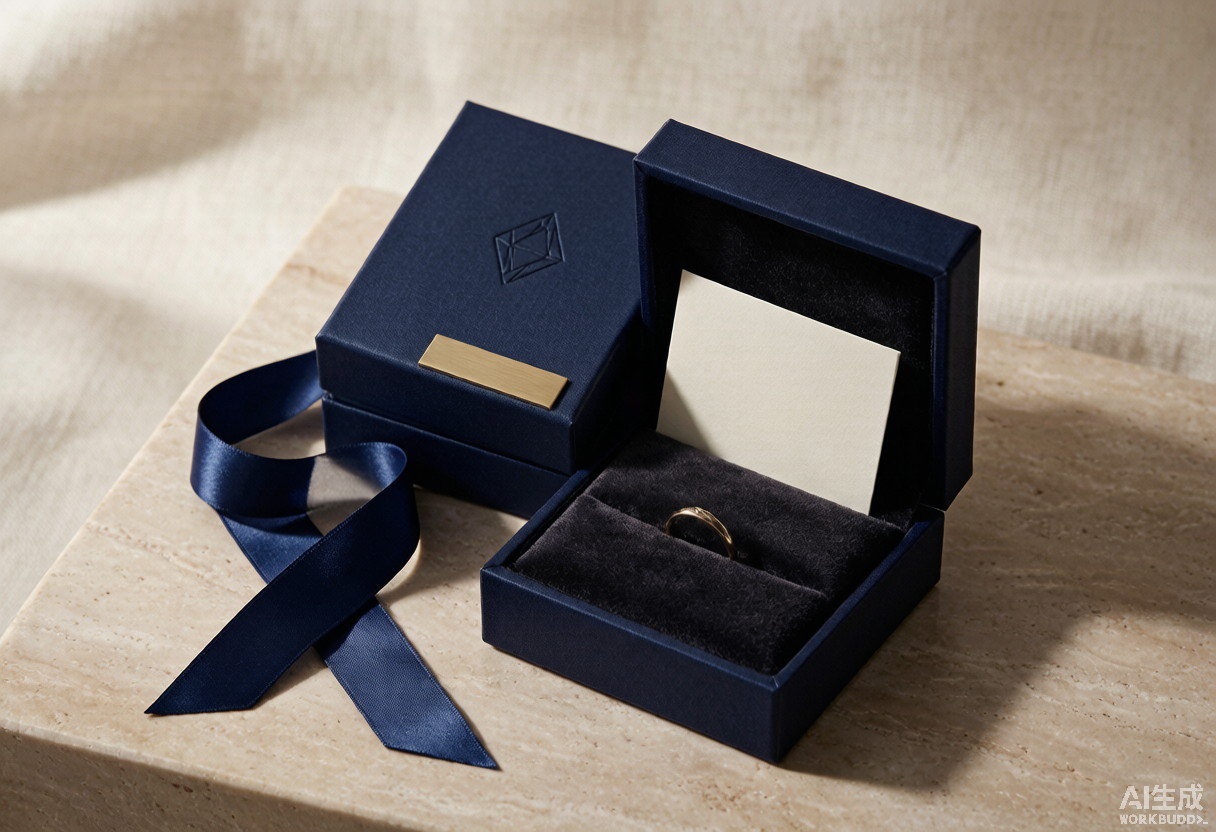
联名限量盒的门道 How Collaboration and Limited-Edition Jewelry Packaging Actually Works
一只包装盒在二级市场单独卖出三成溢价,比它装过的珠宝还抢手——这是 2026 年真实发生的事。联名与限量正把包装推到台前,但做对和做砸的距离比想象中近。以下六个问题最常被问到。
问一:联名款、限量款,为什么值得单独做一套包装?
因为它要回答一个常规款不必回答的问题——凭什么贵。
爱马仕 2026 生肖马年系列是个极端样本:Galop 双马首手镯定价 92 万元,配套的马术主题限量收纳箱只做 20000 只,不到手镯数量的 2.2%。发售数日后,二级平台上单只箱子已比零售价高出约三成,成套挂牌价接近原价两倍。日本 STAR JEWELRY 80 周年与哆啦A梦的联名同样把盒子当作品做:角色配色、盒盖双品牌标识、同色缎带,官方写明是为了"强化收藏价值"。
国内更直白。泡泡玛特旗下轻奢珠宝 popop 的说法是"我们卖的是 IP+设计,不是料价";周大福与 Chiikawa 联名金章挂件 0.2 克卖 560 元,折合每克 2800 元——IP 联名金饰的克单价普遍是普通金饰的 2 到 3 倍。世界黄金协会数据也印证了买家迁移:18 至 24 岁消费者的金饰拥有率已从 2019 年的 37% 升至 62%。
一句话概括:常规款的包装解决"保护与体面",联名限量款的包装解决"凭证与叙事"。
问二:联名包装是不是把两个标识都放大就行?高端简约在这里还成立吗?
成立,而且理由比平时更硬。
先看反面。2026 年有平价服饰品牌与精品品牌的联名系列遭遇大量负评,最终提前结束合作。联名包装最大的风险从来不是"不够热闹",而是两个品牌互相拉低。高端简约珠宝首饰品包装设计之所以更容易被顾客青睐,在联名场景里换了个理由:它是"两个品牌都不掉价"的最大公约数。堆砌是双向冒险,克制是双向保险。
落地方法很清楚:主盒保持品牌自身语言不动,材质、色号、结构照旧;IP 信息全部放在可替换层——腰封、内衬印花、卡片、缎带。工艺上"外观做减法、工艺做加法":盲压优于烫金堆叠,激光深雕优于满版印花,黄铜铭牌优于大面积电化铝。还有一条血泪经验:双标识别在屏幕上审色,两个品牌各有专属色号,并置在同一批纸张上极易一方偏色,必须打样对色再定稿。
问三:"限量"两个字,怎么在包装上真正落地?
限量不是印一行字,是一套可核验的证据链,至少包含编号、证书、防伪三件。
编号要用钢印或激光深雕,打在盒底、托盘侧边或铭牌等固定位置,并与产品编号一致;不要用贴纸,撕掉就什么都不剩。证书要在盒盖内侧留独立卡位,卡片克重不低于 300 克,写明限量总数、本件序号与授权信息。
防伪如今是刚需。市场调研显示,转卖平台上热门联名商品约 15%–20% 为仿冒品,消费者辨别真伪主要依靠包装细节与防伪标签——你的包装就是别人验货的第一依据。可控做法是加 NFC 芯片或一物一码,扫码回品牌页显示编号与授权期限。
还有一层容易被忽略:数量本身就是设计。爱马仕把箱子做成手镯数量的 2.2%,是刻意制造"配套稀缺"——一个能被记住的数字,比抽象的稀有度更有说服力。
问四:盲盒那套玩法,珠宝能不能用?
能用,但要换个位置用。
先看数据。泡泡玛特 LABUBU 与三丽鸥的联名盲盒单盒 159 元,隐藏款概率 1/72,开售一分钟售罄、瞬时售出 3 万余件;隐藏款在二手平台最高成交 1490 元、溢价 8.4 倍。Zales 在 2026 情人节也推过盲盒联名 charm,原价 299.98 美元的款以 49.99 美元发售。
但珠宝的客单价决定了风险结构不同:一百多元抽错可以一笑了之,几千元抽到不喜欢的款就是一单退货。稳妥的折中是把惊喜放在包装侧、不放在产品侧:产品让顾客自选,包装做随机配色外盒、随机图案卡片、随机内衬色。顾客拿到的是确定的珠宝加不确定的呈现,开箱期待在,选品风险没有。更保守的玩法是满赠式收藏,ALUXE 与 Care Bears 的联名就是购物即赠联名首饰盒、限时限量。
问五:一只联名限量盒,能不能"被卖第二次"?
极少数能。法国利摩日瓷盒中那些为品牌做的联名款,停产后单只成交价可达 500 至 2500 美元以上——但这类结果可遇不可求。
更现实的第二次价值是"留存曝光"。麦肯锡 2025 年调研显示,约 73% 的珠宝买家会保留并复用他们认为"好看又好用"的包装——留在梳妆台上的盒子,是不再花钱的广告位。2026 年高端定制盒两条趋势正冲着这个去:模块化内衬(可拆卸绒布隔板、多格托盘),以及传家级复用结构(加厚防翘板材、防刮绒面、静音缓降合页、磁吸软关)。落到验收就三个细节:合页会不会松、内衬会不会起毛、盒体会不会翘。
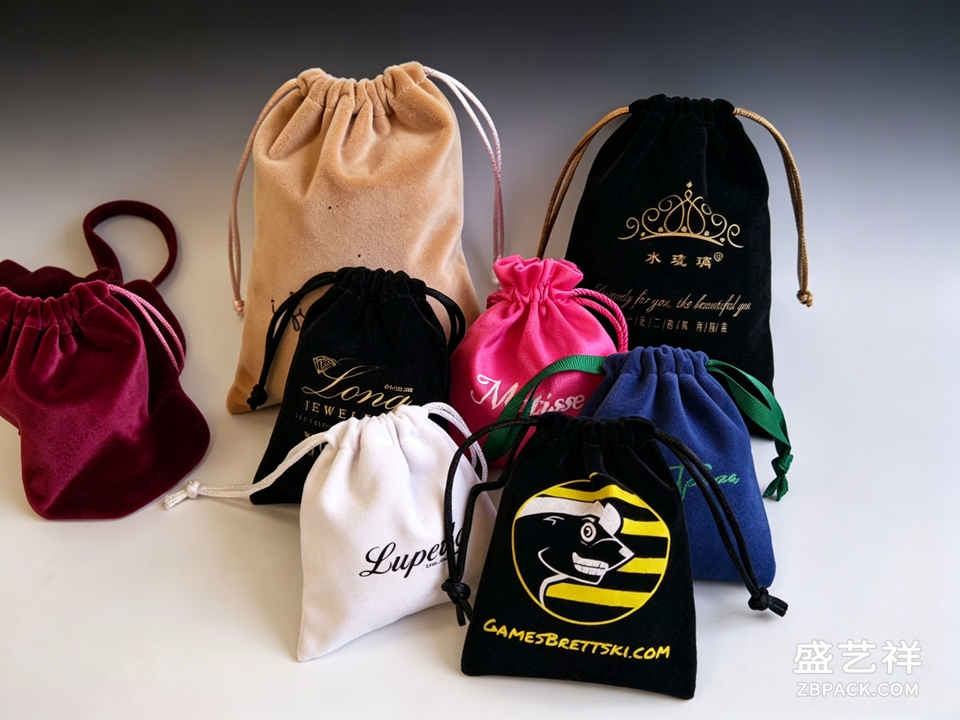
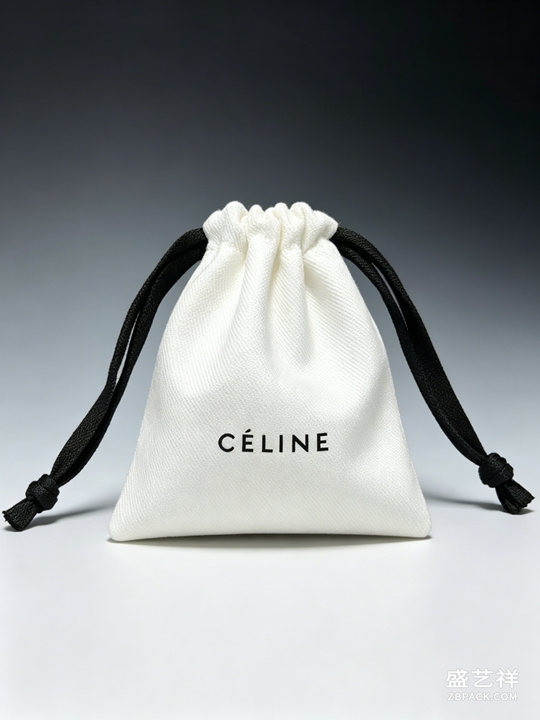
顺带一句陈列建议:联名系列在门店最好成组呈现,把盒、袋、缎带、卡片作为一套摆在珠宝摆台上——联名叙事是靠"整套"讲出来的。
问六:做联名限量包装项目,采购上最容易踩哪些坑?
四个,按踩中的代价排序。
一是把量压死。IP 热度有周期。热门联名商品转卖溢价率通常在 150%–400%,极稀缺者可超 1000%,但泡沫同样真实:某 2025 年爆红联名公仔,半年后从新台币 3500 元跌至 600 元,跌幅超 80%。授权一到期,卖不掉的联名盒就是废纸。对策还是那句——主盒通用,联名元素做在可替换件上。
二是被起订量吓退。2026 年这一条已宽松很多,手工硬盒的柔性起订下探到 30–50 只。合理路径是先小批量验证结构、颜色与开合手感,再决定要不要上量,与珠宝盒工厂谈价时也更有底气。
三是排期不给授权留时间。联名包装比常规包装多两道:IP 方审稿与授权标识合规,稿件往返往往比工厂打样还慢。倒推排期时应把"IP 方终审"单列一档。
四是只算盒子单价。联名盒的成本要摊进整个项目的溢价里看。潮宏基 2026 年一季度营收 24.98 亿元、同比增长 10.93%,归母净利润却增长 39.52%——利润改善快于营收,IP 联名是其中一股力量。风险也要看到:IP 联名金饰已出现价格机制不透明、回收保障不足的批评声。包装能放大叙事,替代不了产品诚意;质感撑不住的联名,包装越隆重反噬越快。
说到底,联名限量包装考验的不是创意多炸,而是分寸感——什么该被看见,什么该被克制,什么必须可核验。这也是我们做首饰盒批发与整套珠宝包装设计时,总是先问"这个系列在讲什么故事"的原因。
本文为原创内容,版权归盛艺祥所有。如需转载请注明出处。
盛艺祥(Shengyixiang)——高端珠宝包装设计与定制专家,为品牌护航。
A packaging box resold for a 30% premium on the secondary market — more sought after than the jewelry it once held. That is not a joke; it happened in 2026. Collaborations and limited editions are pushing packaging from afterthought to centerpiece. Here are the six questions we get asked most on collaboration projects.
Q1: Why do collaboration and limited-edition pieces deserve their own packaging?
Because they must answer a question regular products never face: why is this worth more?
Hermès offers an extreme case. Its 2026 Year of the Horse collection is headlined by a Galop double horse-head bracelet priced at 920,000 yuan, paired with an equestrian-themed storage box produced in just 20,000 units — under 2.2% of the bracelet volume. Within days, the box alone was fetching roughly a 30% premium over retail on resale platforms, with complete sets listed at close to double their original price. Japan's STAR JEWELRY treated its 80th-anniversary Doraemon collaboration the same way: blue for Doraemon, yellow for Dorami, dual-brand marks and character artwork on the lid — with the brand stating outright that the aim was to reinforce collectible value.
China's market is blunter still. Popop, the accessible-luxury jewelry line under Pop Mart, puts it plainly: "We sell IP and design, not the price of the metal." A Chow Tai Fook × Chiikawa gold charm weighing 0.2 grams retails at 560 yuan — 2,800 yuan per gram. Across the category, IP collaboration gold typically carries a per-gram price two to three times that of standard gold jewelry. The World Gold Council reports that gold jewelry ownership among consumers aged 18–24 has climbed from 37% in 2019 to 62%.
The distinction in one line: regular packaging solves protection and dignity; collaboration packaging solves proof and narrative.
Q2: Is it enough to enlarge both logos? Does minimalism still apply here?
It applies — with a stronger justification than usual.
Consider the cautionary case. In 2026, a mass-market apparel brand's collaboration with a luxury label drew heavy criticism on social platforms for clashing design languages and disappointing material quality, and the partnership was cut short. The real risk in collaboration packaging is never "not loud enough" — it is two brands dragging each other down. Minimalist, restrained high-end jewelry packaging design wins customer preference here for a specific reason: it is the largest common denominator under which neither brand loses face. Piling on decoration is a mutual gamble; restraint is mutual insurance.
The method is straightforward. Keep the main box in your own brand language — material, color reference, structure and opening action unchanged — and push all collaboration content onto replaceable layers: belly bands, printed liners, cards, ribbons. On finishing, subtract from appearance and add to craft: blind debossing over stacked foil, deep laser engraving over full-surface printing, a brass nameplate over large areas of metallized film — which happens to describe the dominant finishing choices in 2026 luxury rigid boxes.
One hard-won rule: never approve dual-logo color on a screen. Two brands each carry proprietary color references, and placing them on the same paper stock almost guarantees one will shift. Always sign off on a physical proof.
Q3: How does "limited edition" actually get built into packaging?
Limited edition is not a printed phrase. It is a verifiable chain of evidence with at least three links: numbering, certificate, authentication.
Numbering should be steel-stamped or deep laser engraved at a fixed location — box base, tray edge, or nameplate — and match the product's own number. Never use a sticker; peel it off and nothing remains. The certificate needs a dedicated slot inside the lid, on card stock of at least 300 gsm, toned to the box, stating total edition size, serial number, and licensing details.
Authentication has become non-negotiable. Market research indicates that roughly 15%–20% of hot collaboration items on resale platforms are counterfeit, and buyers verify authenticity primarily through packaging details and security labels. Your packaging is the first evidence someone inspects. A practical approach is an NFC chip or unique QR code resolving to a brand page that displays the serial number and licensing period.
One more layer is easy to miss: quantity is itself a design decision. Hermès sizing the box run at 2.2% of bracelet volume deliberately manufactured "companion scarcity" — a number people can remember persuades better than abstract rarity.
Q4: Can the blind-box mechanic work for jewelry?
It can — but it belongs in a different place.
The numbers first. Pop Mart's LABUBU × Sanrio collaboration blind box sold at 159 yuan per unit or 954 yuan per full case, with a 1-in-72 chance of the hidden variant. It sold out online within one minute, moving over 30,000 units instantly; the hidden figure peaked at 1,490 yuan on resale — an 8.4x premium — before settling around 847 yuan, roughly 4.3x. Zales ran a mystery-box collaboration charm for Valentine's Day 2026, offering a piece originally priced at $299.98 for $49.99.
But jewelry's average order value changes the risk structure entirely. Getting an unwanted figure for a hundred yuan is amusing; getting an unwanted ring for several thousand is a return. The safer compromise: put the surprise on the packaging side, not the product side. Let customers choose the piece, then randomize the presentation — shell color, card artwork, liner tone. The buyer receives a certain product with an uncertain reveal: the anticipation stays, the selection risk disappears. A more conservative variation is the gift-with-purchase collectible — ALUXE's Care Bears collaboration offered a co-branded jewelry box free with purchase for a limited period. The box drives traffic, the product never discounts.
Q5: Can a collaboration box be "sold a second time"?
A rare few can. Most should not count on it. But nearly all can be kept.
The longer-horizon evidence sits in collectibles. Among French Limoges boxes, the collaboration editions produced for consumer brands now trade at $500 to $2,500 and above once retired — despite having begun life as packaging or promotional gifts. Outcomes like that cannot be engineered on demand.
The realistic second value is retained exposure. McKinsey research from 2025 found that around 73% of jewelry buyers keep and reuse packaging they consider attractive and functional. A box that stays on a dresser is advertising space you never pay for again. Two 2026 trends target precisely this: modular interiors with detachable velvet dividers and multi-compartment trays; and heirloom-grade reusable construction — thickened anti-warp board, scratch-resistant suede, silent slow-drop hinges, magnetic soft-close lids.
At inspection it reduces to three details: will the hinge loosen, will the lining pill, will the shell warp. A display note as well: present collaboration series as a complete set in store — box, pouch, ribbon and card staged together on the jewelry display stand, not the jewelry alone. Collaboration narrative is told through the full ensemble.
Q6: What are the most common procurement mistakes on these projects?
Four, ranked by what they cost.
Over-committing on volume. IP heat is cyclical. Market data shows resale premiums on popular collaboration items typically run 150%–400%, with the scarcest exceeding 1,000% — but the bubble is equally real. One 2025 breakout collaboration figure fell from NT$3,500 to NT$600 on resale within six months, a drop of more than 80%. Once a license expires, unsold collaboration boxes are waste paper. The remedy remains: universal main box, collaboration elements on replaceable components.
Being scared off by minimums. This eased considerably in 2026. Flexible MOQs for handmade rigid boxes now start at 30–50 pieces, so boutique brands and pop-ups no longer need to commit to thousands. Validate structure, color and opening feel in a small run first — you will also negotiate better with a jewelry box factory once you hold a physical reference.
Leaving no schedule room for licensing. Collaboration packaging adds two steps: IP-side artwork approval and licensing-mark compliance. Round trips on approvals routinely take longer than factory sampling. Give "IP final approval" its own line in the backward schedule rather than folding it into the sampling window.
Judging the box on unit price alone. Its cost has to be amortized against the project's overall premium. Chow Tai Seng reported Q1 2026 revenue of 2.498 billion yuan, up 10.93% year on year, while net profit rose 39.52% — profit improving far faster than revenue, with IP collaborations among the drivers. The risk deserves acknowledgment too: IP collaboration gold has drawn criticism for opaque pricing and weak buyback protection. Packaging amplifies a narrative; it cannot substitute for product sincerity. When the substance is thin, the more elaborate the packaging, the faster the backlash.
Ultimately, this category tests judgment rather than creativity — what deserves to be seen, what should be held back, and what must be verifiable. That is why, whether we are handling jewelry box wholesale or a full packaging program, we start by asking what story the collection is telling before discussing material and process.
This is original content. Copyright belongs to Shengyixiang.
Shengyixiang — your expert in high-end jewelry packaging design & customization.