极简珠宝陈列设计趋势 Minimalist Jewelry Display and Design Trends
近年来,随着消费审美的整体升级,珠宝零售空间的设计正在经历一场静默而深刻的革新。极简风珠宝陈列不再只是简单的“少即是多”,而是通过对空间、光线与材质的精细把控,让每一件珠宝成为视觉故事里的绝对主角。作为长期深耕珠宝包装与陈列解决方案的提供者,骏依美包装在服务众多品牌客户的过程中,真切感受到极简主义正从橱窗走向全渠道终端,成为高端门店的标配语言。
极简陈列的核心在于做减法。传统的珠宝柜台常常堆满装饰元素,反而稀释了产品的价值感与稀缺感。而现代极简设计主张以纯净的背景衬托珠宝本身的光泽,用克制的线条引导视线流动。这种手法特别适合高端首饰盒与饰品包装盒的展示,让包装本身的质感也成为品牌叙事中不可忽视的一部分,而不是仅仅充当容器。
留白是极简陈列中最具力量的语言。在有限的首饰展示台上,合理的负空间能够放大产品的存在感,使顾客的目光自然聚焦于主推款式。骏依美包装在为珠宝盒工厂客户提供陈列方案时,常建议将单组陈列控制在三到五件单品,配合大面积留白,营造出高级而从容的购物氛围,让消费者愿意停留与细看。
视觉焦点的打造离不开珠宝陈列道具与珠宝摆台的协同配合。一盏精准的射灯、一面哑光质感的背板、一段恰到好处的陈列高度差,都能让戒指或项链跃出平面,在顾客记忆中形成清晰锚点。在珠宝包装设计中,我们也会同步考虑道具与包装的开合逻辑,使取放体验与视觉呈现同样优雅、从容不迫。
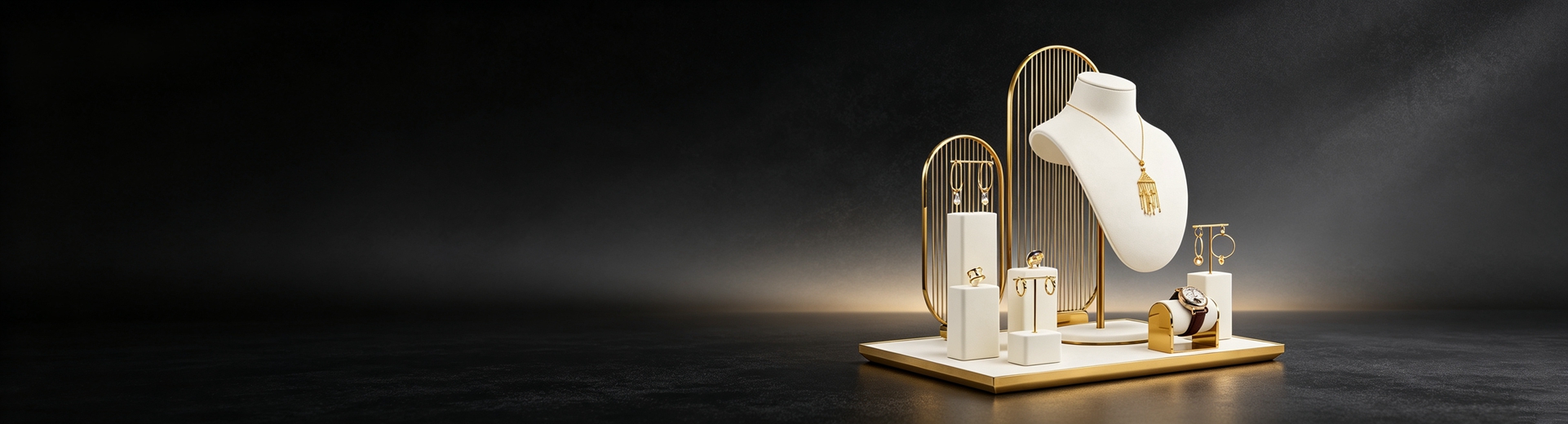
材质与色彩的克制同样重要。极简绝不等于单调,而是通过相近色阶与天然材质(如原木、微水泥、拉丝金属)的细腻叠搭,传递温润而高级的触感。首饰盒设计与珠宝盒定制环节,越来越多品牌选择低饱和内衬与极简烫印,以呼应陈列空间的呼吸感,让珠宝在安静中释放光彩。
对于品牌方而言,极简陈列还意味着更高的运营灵活性与更低的长期成本。一套标准化的珠宝陈列道具可以在不同门店快速复制,配合可替换的珠宝摆台模块,轻松应对节日主题与新品上市。首饰盒批发客户也反馈,简约包装降低了仓储与运输的复杂度,同时显著提升了开箱体验的一致感与仪式感。
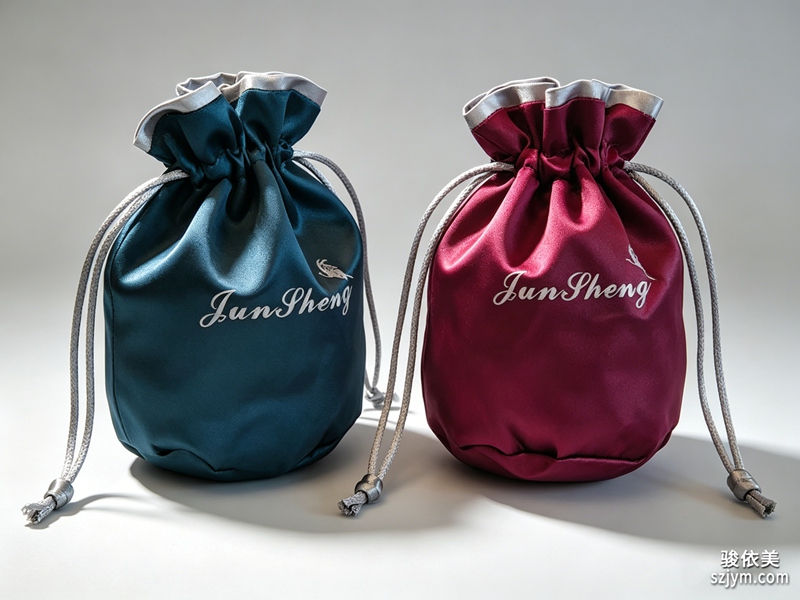
展望未来,极简风珠宝陈列将与数字化体验进一步融合,让光影、留白与焦点叙事沉淀为品牌识别的隐形资产。骏依美包装也将持续在珠宝包装设计与首饰盒设计领域探索,帮助更多品牌用更少的视觉语言,讲述更动人的珠宝故事,让每一次相遇都恰到好处。
极简陈列并不意味着千店一面。相反,正是在克制的框架里,品牌才更需要用独特的珠宝摆台造型与首饰盒设计细节来建立辨识度。骏依美包装常通过一道特别的烫印位置、一种专属的内衬肌理,让极简空间依然拥有鲜明的品牌指纹,避免陷入“性冷淡”的雷同。
在电商与线下融合的今天,极简珠宝陈列也成为内容拍摄的天然背景。干净的珠宝包装与统一的饰品包装盒,在社交媒体的平铺与模拍中更容易出片,降低品牌方的视觉生产成本。这也是越来越多珠宝盒工厂把陈列与包装一并规划的原因。
灯光是极简陈列里最被低估的变量。暖光让人放松,冷光凸显精密,而可调节的轨道射灯能让同一组珠宝摆台在白天与夜晚呈现不同气质。骏依美包装在珠宝包装设计阶段,就会建议客户提前规划道具受光面,避免包装烫印在强光下产生刺眼反光,破坏高级感。
对于刚刚起步的小众品牌,不必一步到位追求大面积留白。可以从一组珠宝陈列道具与一只高品质首饰盒开始,逐步建立自己的极简语言。骏依美包装的珠宝盒定制服务,正适合这类循序渐进的需求,让品牌在可控预算内持续进化。
消费者正在用更挑剔的眼光审视每一次进店体验。当信息过载成为常态,能够让人安静下来的空间反而更具吸引力。这也是为什么珠宝包装与陈列开始同步走向“少而精”——把注意力还给珠宝本身。
归根结底,极简是一种克制的自信。当珠宝盒工厂的工艺、首饰盒批发的效率与珠宝包装设计的审美在同一条线上汇合,极简陈列便不再是风格,而是一种品牌态度。
极简陈列对材质的容错率更低:背景越干净,道具上的一道划痕、绒面上的一处压痕就越刺眼。骏依美包装在选配珠宝陈列道具时,会把三年内的维护成本一并算进预算——亚克力通透却易划伤,实木要控制门店湿度,金属拉丝面要避开指纹高发区。把易损件做成可单独替换的结构,远比整台重做划算。
另一个常被忽略的是小型独立门店的坪效。二十平米的空间里,每一寸台面都要产出,照搬旗舰店的留白反而浪费。更务实的做法是采用模块化珠宝摆台:底座常驻,面板与托盘随季节更换,一次换装控制在一小时内,既保住极简骨架,又能快速切换节日主题。珠宝盒定制与首饰盒设计同理:外壳统一,内托可换。
直播则给陈列提出了新要求。镜头会放大反光与色偏,建议为直播位单独备一组低反光道具,高度贴合镜头中轴,让珠宝包装设计里的烫印与内衬肌理在特写下依然清晰。
本文为原创内容,版权归骏依美所有。如需转载请注明出处。
In recent years, the design of jewelry retail spaces has undergone a quiet but decisive revolution. Minimalist jewelry display is no longer a simple exercise in "less is more." Instead, it is a disciplined craft of controlling space, light, and material so that every single piece of jewelry becomes the protagonist of the visual story. As a dedicated provider of jewelry packaging and display solutions, Junyimei has observed, across countless brand projects, how minimalism has migrated from the shop window into the full omnichannel experience.
The core of minimalist display is subtraction. Traditional jewelry counters often overflow with decorative elements that dilute the perceived value and scarcity of the products. Modern minimalist design, by contrast, uses a clean background to set off the natural luster of the jewelry and restrained lines to guide the movement of the eye. This approach works especially well for showcasing premium jewelry boxes and accessory packaging boxes, allowing the packaging itself to become part of the brand narrative rather than merely a container.
Negative space is the most powerful language in minimalist display. On a limited jewelry display table, thoughtful empty areas amplify the presence of the product and let the customer's gaze settle naturally on the hero pieces. When Junyimei advises jewelry box factory clients on display planning, we often recommend limiting a single grouping to three to five items and surrounding them with generous whitespace to create a calm, premium atmosphere that invites customers to pause and look closely.
Building a visual focal point depends on the synergy between jewelry display props and jewelry display stands. A precisely aimed spotlight, a matte backing panel, and a deliberate height variation can lift a ring or necklace off the flat surface and create a lasting memory anchor in the customer's mind. In jewelry packaging design, we also coordinate the opening logic of the props with the packaging, so that the unboxing experience is as elegant and unhurried as the visual presentation itself.
Restraint in material and color matters just as much. Minimalism is not monotony. It is the layered combination of close color scales and natural materials such as raw wood, micro-cement, and brushed metal that conveys a warm yet refined touch. In jewelry box design and custom jewelry box projects, more brands now choose low-saturation linings and minimal foil stamping to echo the breathing room of the display space, letting the jewelry glow quietly.
For brand owners, minimalist display also means greater operational flexibility and lower long-term cost. A standardized set of jewelry display props can be replicated quickly across stores, and with replaceable jewelry display stand modules, brands can effortlessly respond to holiday themes and new launches. Jewelry box wholesale clients also report that simpler packaging reduces warehousing and shipping complexity while significantly improving the consistency and ritual of the unboxing experience.
Looking ahead, minimalist jewelry display will fuse further with digital experiences. Light, shadow, whitespace, and focal storytelling will become the invisible assets of brand identity. Junyimei will continue to explore within jewelry packaging design and jewelry box design, helping more brands tell more moving jewelry stories with fewer visual words, so that every encounter feels perfectly measured.
For overseas buyers, the real cost of a display system is rarely the unit price on the quotation. It is what the fixtures look like after eighteen months on the sales floor. Acrylic photographs beautifully in renderings but scratches under daily handling; brushed metal shows fingerprints wherever spotlighting is strong; solid wood moves with humidity in coastal stores. When Junyimei specifies jewelry display props for a multi-store rollout, we separate the wear parts from the structural parts, so a scuffed tray insert or a faded suede pad can be replaced on its own instead of retiring an entire jewelry display stand. Buyers who budget a three-year replacement cycle at the sourcing stage almost always spend less than those chasing the lowest first order.
Seasonal changeover is the second place where minimalism either saves money or quietly drains it. A window that must be rebuilt from scratch four times a year ties up labour in every store. A modular approach keeps the plinths permanent and swaps only face panels, risers, and tray liners. Those parts ship flat, cost little to freight, and can be installed by store staff in under an hour without tools. We apply the same logic to jewelry box design: a consistent shell with interchangeable inserts lets one custom jewelry box serve several collections without new tooling or another sample round.
Independent boutiques work with different arithmetic. In a twenty-square-metre shop, whitespace is expensive, and copying a flagship layout usually wastes selling area. The workable compromise is to concentrate negative space around a single hero zone and keep secondary counters denser but strictly ordered. Sales per square metre, not photographic purity, should decide the density, and a compact counter often benefits more from one well-lit riser than from three competing focal points.
Live selling has quietly rewritten the brief for jewelry packaging design. A camera exaggerates everything: glare on polished surfaces, colour drift under mixed lighting, clutter behind the host. We now advise clients to build a dedicated low-reflectance prop set for the streaming table, set at a height matched to the lens axis, so foil-stamped logos and lining textures stay legible in close-up. Displays and packaging that read well on camera also lower a brand's content production cost, which is why more procurement teams now brief the two together rather than treating them as separate line items on the same purchase order.
This article is original content, copyright Junyimei. Please credit the source if republished.