再生金重塑奢侈观 Why Recycled Gold Is Luxury's Quiet New Standard
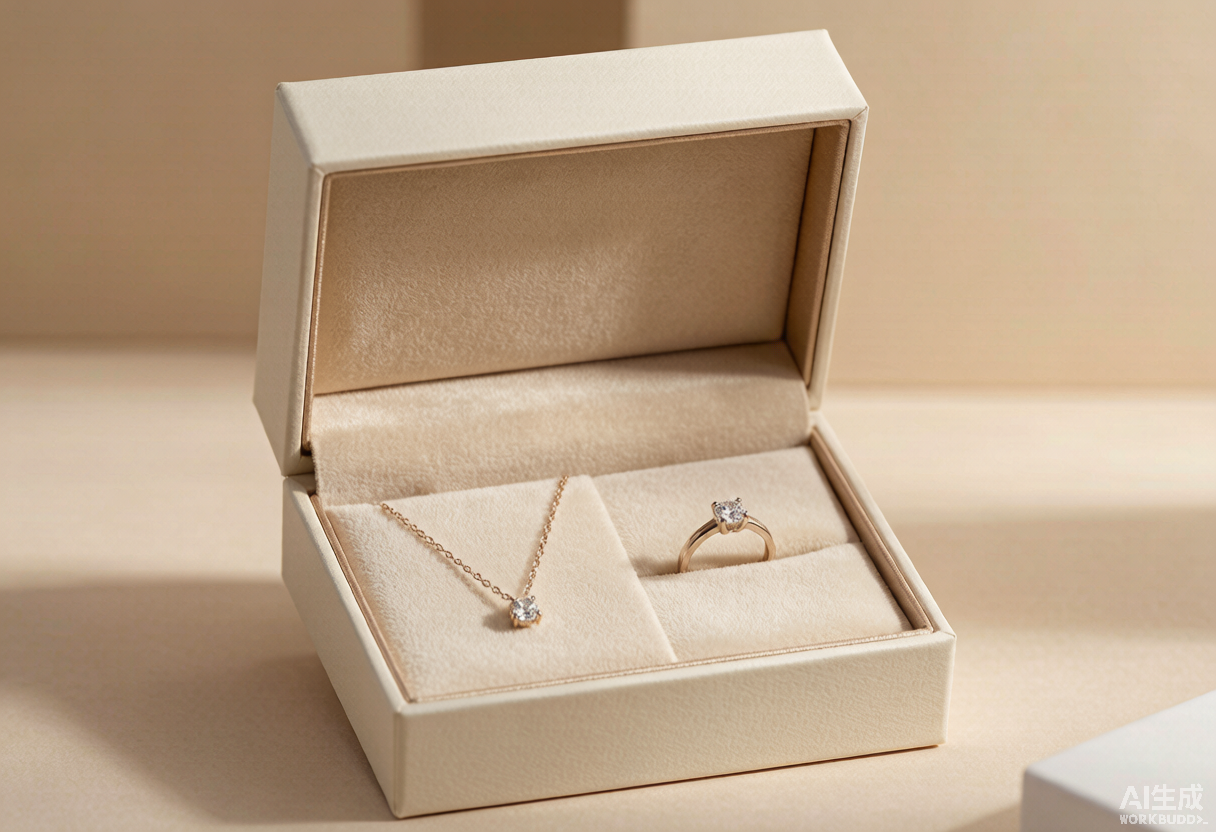
当一颗婚戒的卖点,从「多少克、什么成色」悄悄变成「从哪来、经了谁的手」,奢侈的定义正在被重写。2026 年,再生金(recycled gold)不再是小众环保品牌的标签,而是越来越多高端珠宝线默认的起点。它和化学冶炼出的新矿金纯度一致、成色无异,却把采矿那一道最重的碳足迹从账本上抹去。对消费者,这是价值观的升级;对品牌,这是叙事的迁移——奢侈不再只是稀有与昂贵,更是「我买的东西,对得起我的在意」。
数据最先给出信号。行业研究反复指出,再生金在精炼环节相较新开采黄金可节省最高约 99% 的能源,品质、纯度、色泽与新矿金完全等同。一枚婚戒,传统开采平均要挖约 20 吨矿石;而再生金来自旧首饰、工业边角料与电子废料,重新提纯即可,绕开了破坏性的挖掘与有毒药剂污染。正是这种「零妥协」,让可持续从口号变成可落地的前提。Tiffany、Brilliant Earth、Catbird 等已先后承诺采用可追溯或 100% 再生金属;英国市场对「我的珠宝从哪来」的追问,正从 niche 走向标配。就连向来克制的新中式与极简线,也开始把「再生金」写进产品故事,而不是藏在参数里。
更深的动力来自消费者换代。新加坡等市场调研显示,40 岁以下人群已占到奢侈品消费(含珠宝)的约 67%;这一代人不为 logo 买单,而为「意义」买单。他们要的是能讲出 origin story 的物件——谁做的、什么材料、能不能追溯。再生金恰好提供了这个故事的锚点:来路清清楚楚,它就不只是装饰,而是一份可被讲述、被认同的价值声明。与之平行的是实验室培育钻石在美国 1 克拉订婚戒市场已拿下约 56.8% 的份额——两股力量共同把「负责任的来源」推成主流选项。
这股风也重新定义了「轻奢侈」。过去几年,「日常可戴的实金」替代了快时尚镀金;消费者更愿为「能戴很多年、不褪色」的 14K 实金买单,而再生金让这种长期主义多了一层道德质感。叠戴、细链、极简几何重新流行,背后是一种「少而好」的哲学:与其追季节性爆款,不如攒几件经得起时间。再生金在这里不是成本妥协,而是和长期价值绑定的语言。
风险也随之而来:greenwashing。当「可持续」变成谁都能贴的标签,真正分高下的,是能不能拿出凭据——RJC 责任珠宝委员会链、Fairmined 公平采矿认证、可追溯到批号的证书。2026 年的买家越来越敢追问:你的金是再生的还是新采的?供应链透明吗?区块链溯源正成为验证标配,让一块金从回收到成品的每一环都可查,也抬高了「可验证的可持续」的门槛。
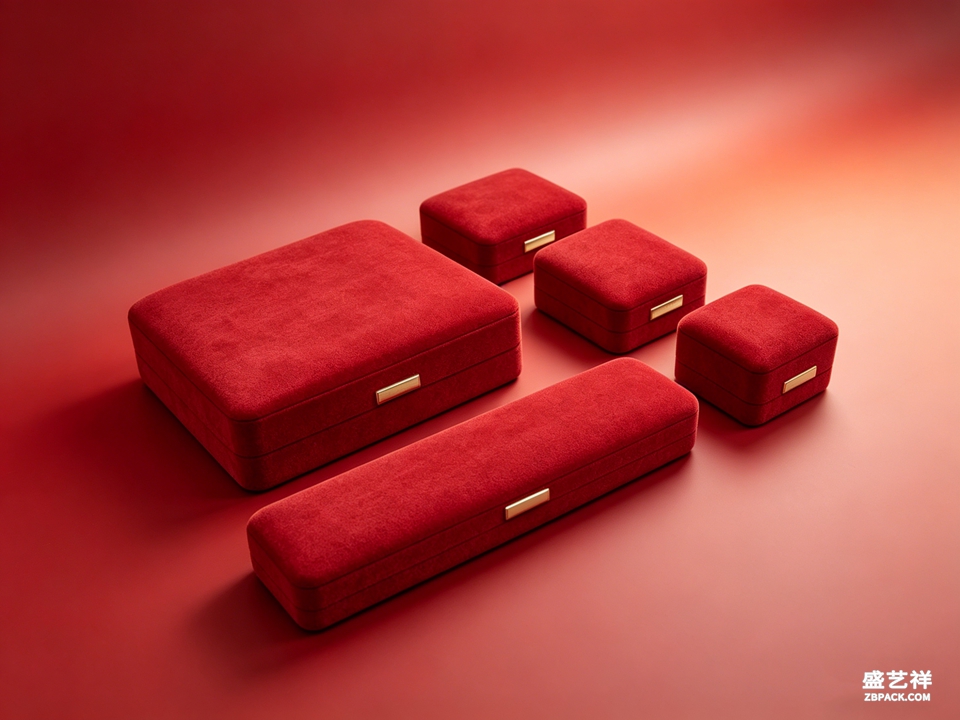
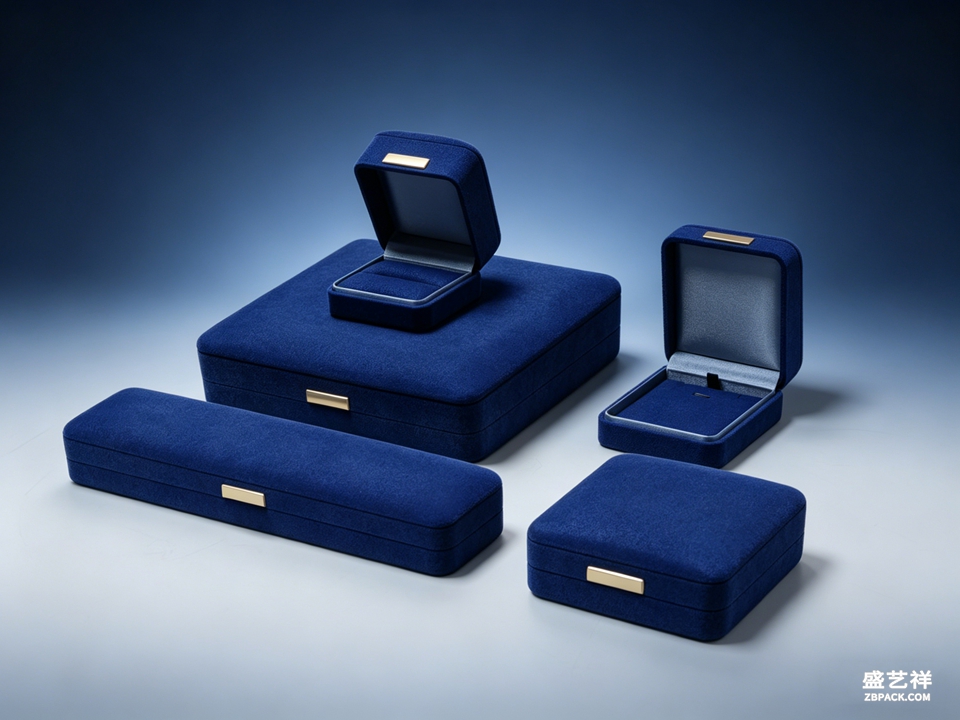
对呈现端而言,这股趋势不是旁观者,而是同一条叙事的延伸。当品牌把「负责」写进产品,盒子、首饰袋、陈列与说明卡就得说同一种话:再生纸与 FSC 认证、克制的结构与可复用的内衬、一张讲清来路与工艺的卡片。盛艺祥在珠宝包装设计上的判断很直接——高端的克制感,此刻恰好对应「少而真」;一个沉手、开合有阻尼、内衬平整的实木或硬纸首饰盒,比花哨堆砌更像「这东西值得被认真对待」。珠宝陈列道具也不该抢戏,深绒托底衬出金属火彩,留白即价格信号,让再生金的温暖色调被安静看见。
真正的考验,是把可持续做成设计语言而非营销话术。最好的做法是让「负责」长在结构里:克重感来自盒体与内衬而非五金堆叠,故事来自一张可追溯的卡片而非满版标语。珠宝盒定制领域里,不少新锐品牌用「外观做减法、工艺做加法」的方式,把再生金的叙事延伸到开盒的那三秒——顾客还没摸到首饰,先摸到了品牌的诚意。
说到底,再生金火起来的本质,是奢侈从「炫耀稀缺」转向「确认自我」。当一件珠宝能同时回答「美不美」和「对不对」,它就完成了从商品到信物的跨越;而包装、陈列与说明,正是把这个回答递到顾客手里的最后一关——它不必喧哗,只要诚实。
本文为原创内容,版权归盛艺祥所有。如需转载请注明出处。
盛艺祥(Shengyixiang)——高端珠宝包装设计与定制专家,为品牌护航。
When the selling point of an engagement ring quietly shifts from "how many grams, what karat" to "where did it come from, whose hands touched it," the definition of luxury is being rewritten. In 2026, recycled gold is no longer a niche badge for eco-minded indie labels — it has become the default starting point for a growing number of fine jewelry lines. Chemically, it is identical to gold pulled fresh from a mine; the purity, the color, the heft are the same. What changes is the story behind it, and the heaviest line item on gold's carbon ledger — the mining — simply disappears. For the buyer, that is a values upgrade. For the brand, it is a shift in narrative: luxury is no longer only about rarity and price, but about whether the thing you bought can live up to what you care about.
The data moved first. Repeated industry research shows that refining recycled gold can use up to 99% less energy than mining new metal, with no difference in quality, purity, or tone. A single wedding band made the traditional way requires digging roughly 20 tons of ore; recycled gold skips that entirely, drawn instead from old jewelry, industrial scrap, and electronic waste, then re-refined to the same standard. That "zero compromise" is what turned sustainability from a slogan into a workable premise. Tiffany, Brilliant Earth, and Catbird have all committed to traceable or 100% recycled metals; in the UK, the question "where does my jewelry come from" has gone from niche curiosity to a baseline expectation. Even restrained new-Chinese and minimalist lines now write "recycled gold" into the product story rather than burying it in the spec sheet.
The deeper engine is a changing consumer. In markets like Singapore, people under 40 already account for roughly 67% of luxury spending, jewelry included. This generation does not buy logos; it buys meaning. They want objects that carry an origin story — who made it, what it is made of, whether it can be traced. Recycled gold hands them exactly that anchor: a material with a clean, knowable lineage that reads as a value statement, not just decoration. Running parallel is lab-grown diamonds, which now hold about 56.8% of the US market for one-carat engagement rings — two forces pushing "responsible sourcing" from the margins to the mainstream.
This wind is also redefining "light luxury." Over the past few years, "everyday solid gold you can actually wear" has replaced fast-fashion plating; buyers would rather pay for 14K that lasts and never fades, and recycled gold adds a layer of moral texture to that long-termism. Stacking, thin chains, and minimal geometry are back — behind them a "less but better" philosophy: accumulate a few pieces that outlast the seasons instead of chasing drop after drop. Here, recycled gold is not a cost concession. It is the language of durable value.
Risk travels with the opportunity: greenwashing. The moment "sustainable" becomes a sticker anyone can slap on, what separates the serious from the performative is proof — the Responsible Jewellery Council chain of custody, Fairmined certification, batch-traceable certificates. Buyers in 2026 are increasingly willing to ask straight out: is your gold recycled or freshly mined? Is the supply chain transparent? Is there a certificate? Brands that fumble the answer lose the story no matter how beautifully it is told. Blockchain traceability is becoming the verification standard, letting a single gram be tracked from recovery to finished piece — and quietly raising the bar for "verifiable sustainability."
For presentation, this trend is not a bystander; it is the same narrative extended. When a brand writes "responsible" into the product, the box, the pouch, the display, and the card have to speak the same language: recycled and FSC-certified paper, restrained structure, reusable liners, and a card that actually explains the provenance and the craft. Shengyixiang's read on jewelry packaging design is blunt — the restrained feel of true luxury maps perfectly onto a "less but real" value proposition; a solid, well-damped wooden or rigid-paper jewelry box with a flat liner feels far more like "this deserves to be taken seriously" than flashy stacking ever could. Jewelry display props should not upstage the piece either: a deep-velvet tray brings out the metal's fire, and negative space is itself a price signal, letting the warm tone of recycled gold be seen quietly.
The real test is making sustainability a design language rather than a marketing line. The best work lets "responsible" live in the structure: the sense of weight comes from the box body and liner, not from piled-on hardware; the story comes from a traceable card, not from slogans across the lid. In jewelry box customization, a number of emerging brands extend the recycled-gold narrative all the way to the three seconds of unboxing — subtraction on the outside, addition on the craft — so the customer feels the brand's sincerity before they even touch the piece.
None of this means recycled gold is cheaper — purity sets the price, not the provenance. What changes is the conversation at the counter. A decade ago the dialogue was weight and karat; today it is lineage and proof. Smart retailers have learned to lead with the story and let the spec confirm it, because for this buyer the narrative is the product. The piece that explains itself — on a card, through a scan, in the quiet confidence of the box — sells before the hard sell ever starts.
Where this goes next is less about the metal and more about the metadata. As traceability becomes expected, the differentiator will not be "is it recycled" but "how convincingly can you prove it" — and how gracefully that proof is delivered. The brands that win will treat the box, the card, and the display as part of the proof, not an afterthought. In that sense, recycled gold is less a material trend than a rehearsal for how all luxury will soon have to account for itself.
This is original content. Copyright belongs to Shengyixiang.
Shengyixiang — your expert in high-end jewelry packaging design & customization.