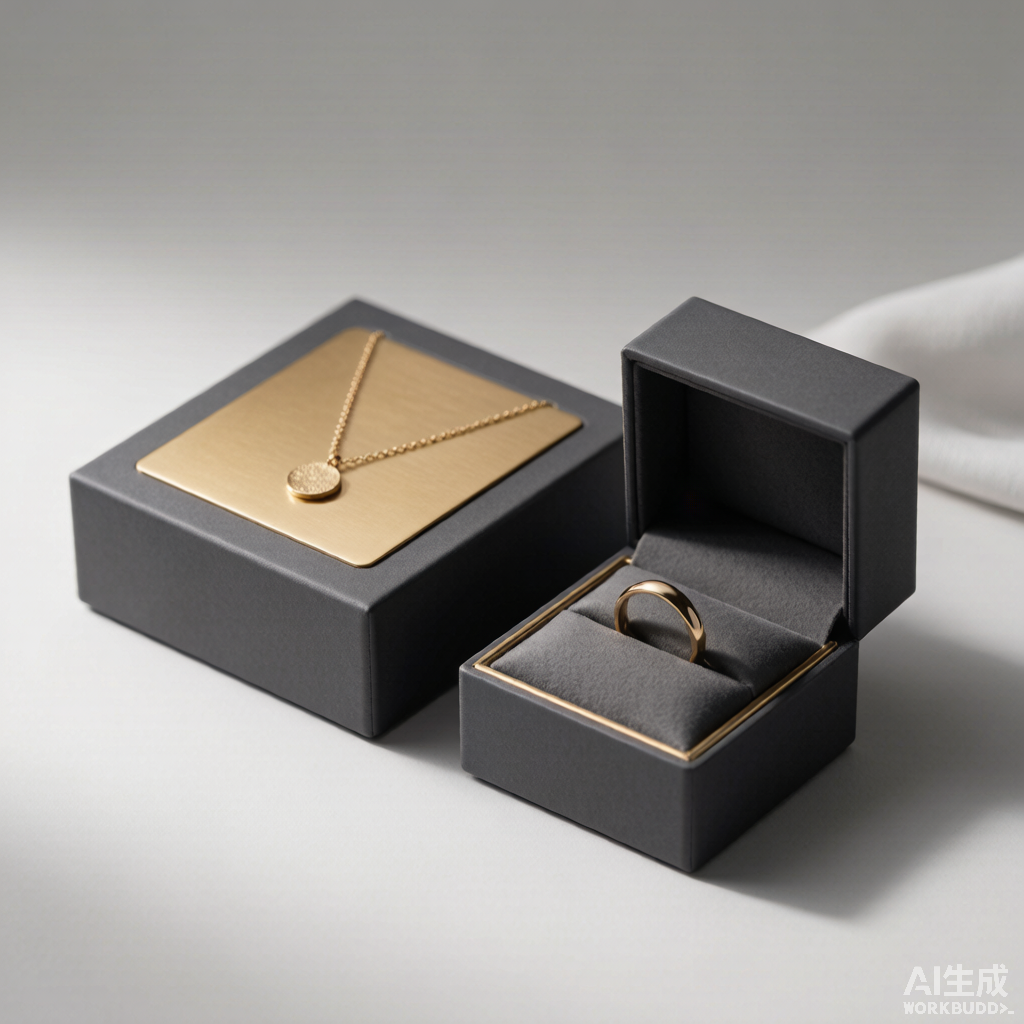
合规重塑珠宝包装 New Packaging Rules Every Jewelry Brand Must Know
三天后(2026年8月12日),欧盟史上最严的包装法 PPWR 将全面生效。它把"过度包装"从道德话题变成法律红线——对珠宝品牌,盒子、首饰袋、陈列道具的设计逻辑都要重写。
问:法规到底管了谁的包装?
答:PPWR(法规编号 2025/40)从"指令"升级为"法规",2026年8月12日起直接在欧盟27国统一生效,不再需要各国逐一转化。它覆盖所有材质、所有场景的包装——销售、运输、电商包裹全算。只要向欧盟市场投放带包装的商品,制造商、进口商、分销商、零售商甚至电商平台都要负责;一只销往欧洲的戒指盒或随单首饰袋,同样在监管之内。中国《限制商品过度包装要求 食品和化妆品》(GB 23350-2021)早在2023年9月实施,把31类食品、16类化妆品的空隙率、层数、成本划了红线;虽未点名珠宝,但礼赠类目已被纳入,电商包裹也另有规制。
问:包装空隙率、层数有什么红线?
答:这是最易被珠宝忽视的一条。PPWR 规定电商与运输包装空置空间不得超过 40%–50%(常见口径电商包裹≤40%),并从2030年起强制包装"体积和重量最小化",虚假底托、多余隔层都被禁止。中国 GB 23350 更具体:单件大于50克/毫升的商品空隙率≤30%、层数(粮食类除外)≤4层、除首层外包装成本≤售价20%。一只小戒指装进大几圈的硬盒,在监管眼里就是"过度包装"。解法是按首饰真实尺寸定做首饰盒,把空隙率落到合规线内。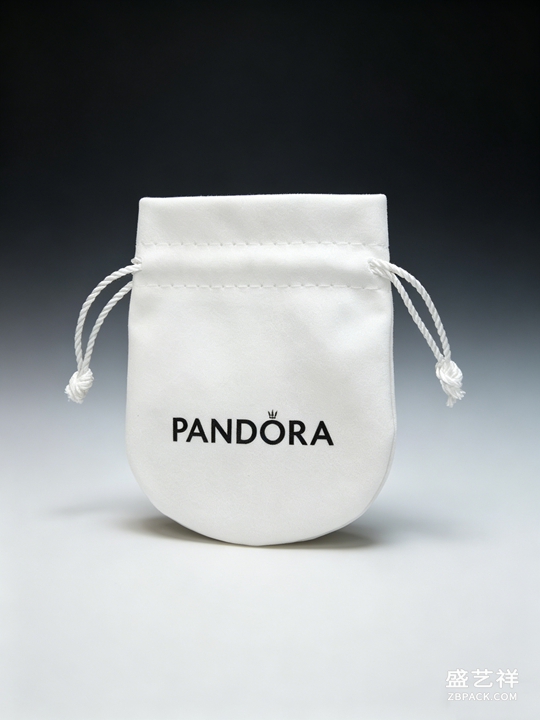
问:高端简约为什么反而更安全、更讨喜?
答:老板常强调,高端简约珠宝首饰品包装设计,更容易被顾客青睐。从合规看,这话有了硬支撑——简约天然等于"少一层、小一圈、轻一点",恰好踩中法规鼓励的方向,也直接拉低 EPR(生产者责任延伸)的生态调制费。消费者端同样印证:法国 OpinionWay 2025 调研显示,76% 的人觉得购物时"太常被过度包装包围",49% 会主动避开过度包装商品;英国 Macfarlane 十年开箱调研显示,收到过度填充包裹的消费者从2016年41%降到2025年11%,80% 期待可在家回收的包装,70% 默认期待环保包装。当"克制"同时讨好监管和顾客,它是最稳的设计策略。
问:有害物质和可回收分级,怎么卡材料?
答:PPWR 从2026年8月12日起限制包装重金属(铅、镉、汞、六价铬总量≤100mg/kg),并严控食品接触类包装的 PFAS。更关键的是可回收性分级:2030年起所有投放欧盟的包装必须可回收,按 A/B/C 三级评定(回收率≥95%/80%/70%),低于70%禁止投放;2038年起只放行 A、B 级。这对珠宝包装设计的启示很明确:优先单一材质——纸基硬盒、FSC 认证卡纸、水性胶,少用 PVC 植绒与纸塑复合;并加可追溯的二维码或批次号。一件"好回收"的饰品包装盒,既是合规凭证,也是品牌负责任的名片。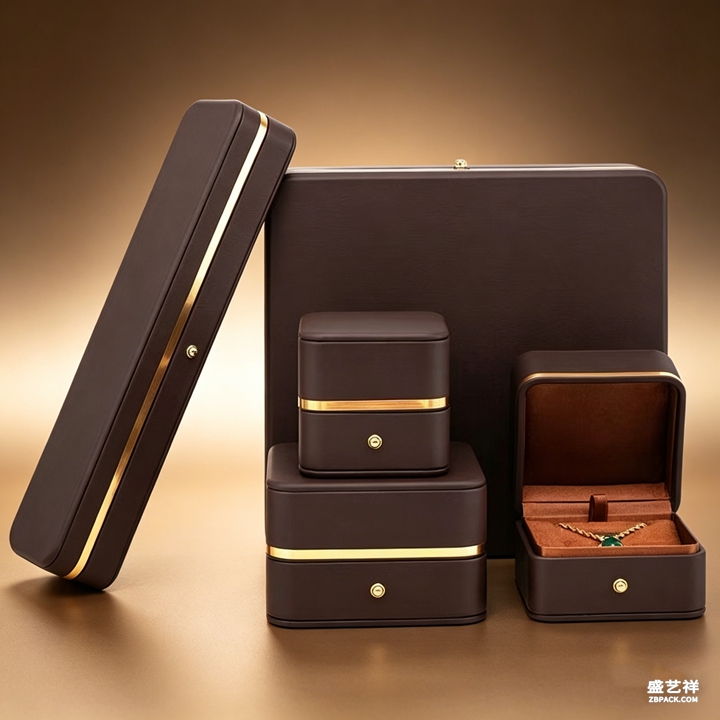
问:出海品牌要交哪些"包装账"?
答:三笔账。第一笔 EPR 注册费:每个销售国都要单独注册、按年申报包装重量并缴费,德国约368元/年、法国约1168元/年、西班牙高达2868元/年,非欧盟卖家还须指定欧盟授权代表。第二笔违规代价:罚则最高达年营业额4%–6%,或约20万欧元,产品下架、海关扣留都可能发生。第三笔隐性成本:2026年8月12日起每个包装单元都要带类型、批次或序列号;统一标签和二维码2028年起陆续强制。对珠宝盒工厂、做珠宝袋加工的供应链,能否提供合规声明与技术文件,直接决定品牌能不能把货送进欧洲;把盒子做小做准,还能省下按体积计费的跨境运费。
问:合规之下,珠宝包装和陈列还能不能"高级"?
答:能,且"高级"的定义正被改写——从堆料转向克制。合规逼行业用更少材料讲更准故事:以负空间代替空置空间,以触感(绒布、亚麻微纤维)代替五金堆叠,以品牌色为唯一装饰。珠宝陈列道具共享同一语言:深绒托盘、FSC 木座、低反光材质,让首饰被安静看见而非被道具抢戏。头部品牌已在做:卡地亚包装塑料已减约20%、2020年起停用一次性塑料;LVMH 目标2026年客户包装零原生化石塑料、2024年再生材料占比已达46%;宝诗龙用铝+毛毡两种可回收材质重做珠宝盒,喊出"No pack is the new pack";潘多拉2025年实现100%再生银与金。合规不是降级,而是一份设计任务书。盛艺祥在珠宝包装设计与珠宝盒定制上的建议很直接:先把红线画清楚,再把克制做成高级感——一个沉手、开合有阻尼、内衬平整的硬纸或实木首饰盒,比花哨堆砌更像一个"值得被认真对待"的品牌。
本文为原创内容,版权归盛艺祥所有。如需转载请注明出处。
盛艺祥(Shengyixiang)——高端珠宝包装设计与定制专家,为品牌护航。
Three days from now, on 12 August 2026, the EU's strictest-ever packaging law — the Packaging and Packaging Waste Regulation (PPWR) — takes full effect. It turns "over-packaging" from a moral talking point into a legal red line, and that rewrites the design logic of jewelry boxes, pouches and display props. This is no longer a choice about "whether to be green"; it is a survival question about whether you can get goods into Europe at all.
Q: Whose packaging does the law actually govern?
A: The PPWR (Regulation 2025/40) was upgraded from a "directive" to a "regulation," so from 12 August 2026 it applies directly and uniformly across all 27 EU member states — no national transposition needed. It covers packaging of every material and every scenario: sales packaging, transport packaging, e-commerce parcels, all of it. Anyone placing packaged goods on the EU market — manufacturers, importers, distributors, retailers, even marketplaces — is accountable. For jewelry brands selling cross-border, that means a ring box or a pouch shipped to Europe is squarely in scope. In China, the mandatory standard GB 23350-2021 (Restrictive Requirements on Excessive Packaging for Goods) has been in force since September 2023, setting void-ratio, layer and cost limits for 31 food and 16 cosmetics categories; jewelry is not named directly, but gifting categories are covered and e-commerce parcels are separately regulated. For jewelry packaging going overseas, both sides of the ledger count.
Q: What are the red lines on void ratio and layers?
A: This is the one jewelry brands most often miss. The PPWR caps empty space inside e-commerce and transport packaging at 40%–50% (commonly cited as ≤40% for parcels) and, from 2030, mandates that packaging be minimised to the smallest volume and weight its function requires — fake bottoms and redundant layers are explicitly banned. China's GB 23350 is more specific: for items over 50 g/ml, the void ratio must not exceed 30%; packaging may not exceed four layers (except for grain products); and all packaging beyond the first layer must cost no more than 20% of the sales price. A tiny ring in a box several sizes too large is, in the regulator's eyes, over-packaged. The fix is not a bigger box but right-sizing — a jewelry box built to the piece's real dimensions, pulling the void ratio under the line.
Q: Why does minimalist packaging turn out safer — and more liked?
A: The boss often stresses that high-end, minimalist jewelry packaging design is more readily favoured by customers. Compliance now gives that view hard backing: minimalism naturally means "one fewer layer, a tighter box, a lighter weight," exactly what the rules reward, and it directly lowers eco-modulated EPR fees. Consumers agree. France's OpinionWay 2025 study found 76% feel "too often confronted with excessive packaging" while shopping and 49% actively avoid over-packaged products; the UK's Macfarlane ten-year Unboxing Survey is even starker — consumers receiving over-packed parcels fell from 41% in 2016 to just 11% in 2025, 80% expect home-recyclable packaging, and 70% now take eco-friendly packaging as standard. When restraint pleases both the regulator and the buyer, it is the safest design strategy there is.
Q: How do substance limits and recyclability grades constrain materials?
A: From 12 August 2026 the PPWR limits heavy metals in packaging (lead, cadmium, mercury, hexavalent chromium together ≤100 mg/kg) and tightly restricts PFAS in food-contact packaging. More consequential is recyclability grading: from 2030 every package placed on the EU market must be recyclable, rated A/B/C (recovery ≥95%/80%/70%); below 70% it is deemed "technically non-recyclable" and banned; from 2038 only A and B grades survive. The implication for jewelry packaging design is clear — favour mono-materials: paper-based rigid boxes, FSC-certified card, water-based adhesives; avoid PVC flocking and paper-plastic laminates; and add a traceable QR code or batch number. A "well-recyclable" jewelry box is both a compliance certificate and a responsible-brand calling card.
Q: What "packaging bills" do export brands have to pay?
A: Three of them. First, EPR registration: every selling country requires its own registration, annual weight reporting and fees — Germany about €368/year, France about €1,168, Spain as high as €2,868 — and non-EU sellers must appoint an EU Authorised Representative. Second, the cost of non-compliance: fines can reach 4%–6% of annual turnover or around €200,000, with product takedowns, customs holds and forced recalls all on the table. Third, the hidden cost: from 12 August 2026 every packaging unit must carry a type, batch or serial number, and harmonised labels with QR codes become mandatory from 2028. For the jewelry box factory and the pouch-making supply chain, the ability to supply a declaration of conformity and technical files decides whether a brand can even get its goods into Europe. And right-sizing the box also quietly saves volume-based cross-border freight.
Q: Under all these rules, can jewelry packaging and display still feel premium?
A: Yes — and "premium" is being redefined, from stacking materials to restraint. Compliance pushes the industry to tell a sharper story with less: deliberate negative space instead of empty space, tactile feel (flocked cloth, linen microfibre) instead of piled-on hardware, brand colour as the only ornament. Jewelry display props share that language — deep-velvet trays, FSC wood bases, low-reflective surfaces that let the piece be seen quietly rather than upstaged. Leading houses are already there: Cartier cut packaging plastic by about 20% and dropped single-use plastic in packaging from 2020; LVMH targets zero virgin fossil plastic in client packaging by 2026 and reached 46% recycled content in client packaging in 2024; Boucheron rebuilt its jewelry boxes from just two recyclable natural materials — aluminium and felt — under the mantra "No pack is the new pack"; Pandora hit 100% recycled silver and gold in 2025. Compliance is not a downgrade; it is a design brief. Shengyixiang's advice on jewelry packaging design and jewelry box customization is blunt: draw the red lines first, then turn restraint into a sense of luxury — a solid, well-damped rigid-paper or wooden jewelry box with a flat liner reads far more like "a brand that takes itself seriously" than flashy stacking ever could.
This is original content. Copyright belongs to Shengyixiang.
Shengyixiang — your expert in high-end jewelry packaging design & customization.