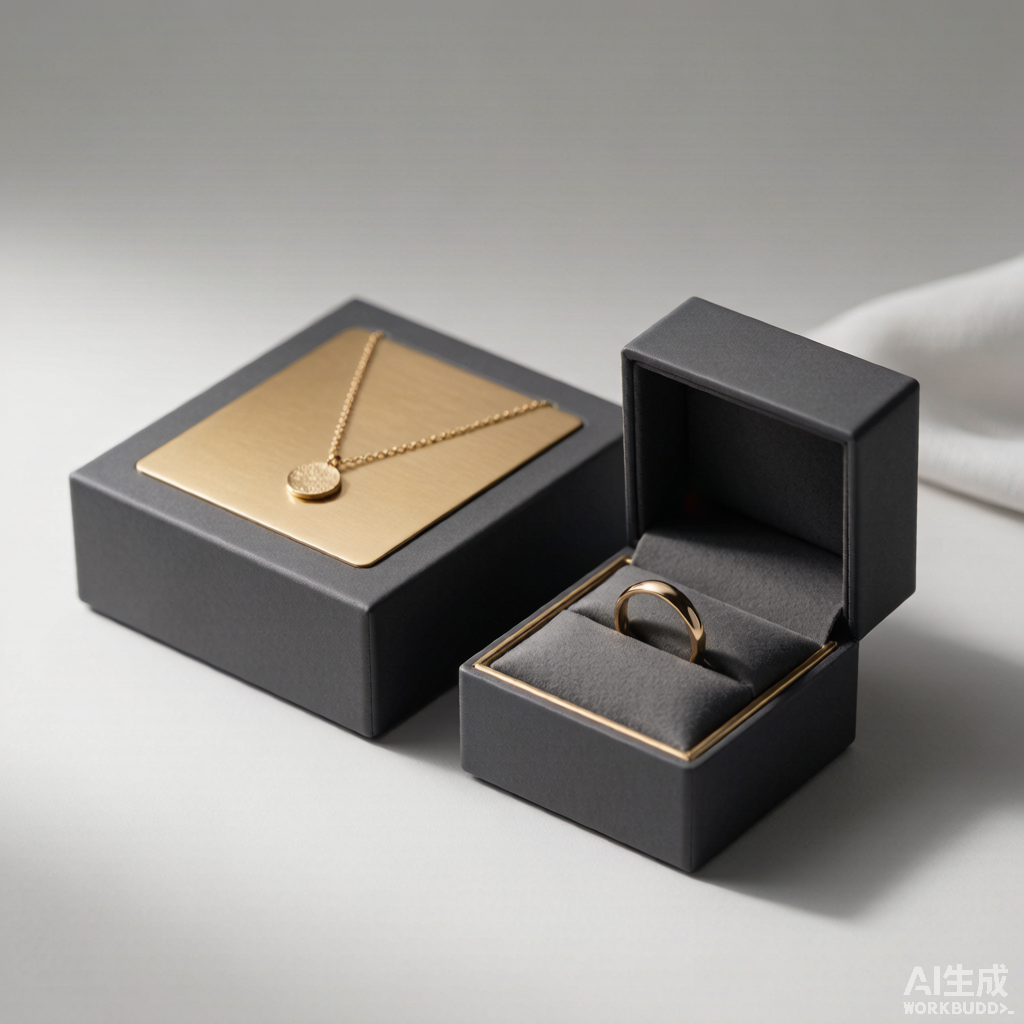
好盒子经得起开合 What Makes a Jewelry Box Closure Last Longer
一只首饰盒被顾客拿起、打开、合上,往往只用几秒钟。但就是这几秒里的"手感",常常决定了她愿不愿意为这件珠宝多付一点钱,也决定了这只盒子会不会被小心收好、来年再用。
问一:磁吸、合页、插扣——珠宝盒到底该用哪种开合?
先说结论:翻盖式和天地盖式首饰盒里,磁吸闭合已经是主流选择。它靠盒盖与盒底各藏一枚磁铁,闭合时自动吸附、缝隙均匀、单手可开,防尘防潮也到位。行业里常用的磁铁是钕铁硼,体积小、磁力稳、不易退磁也不易生锈,尺寸多在六毫米到十五毫米之间,按盒型大小和闭合力度精细匹配。但磁力不是越大越好——过强难开启,过弱容易弹开,劣质的还会掉磁。所以对工厂来说,"磁力适中、隐蔽美观、牢固耐用"是三条硬标准。合页(铰链)适合需要反复翻盖演示的款式,开合顺滑、寿命长;插扣和卡扣更偏运输防护,快递途中不容易松脱。选哪种,本质是看这只盒子主要"被看见"还是"被寄走"。
问二:为什么越高端简约的盒,反而越考五金?
因为简约把瑕疵暴露无遗。当盒面没有满版烫金、没有繁复印刷来转移注意力,磁铁的位置准不准、盒盖合上后缝隙均不均匀、开合时有没有那一声干净利落的"咔哒",全部被放大。换句话说,外观做减法,五金必须做加法。这背后有数据支撑:Dotcom Distribution 2025 年的调研显示,百分之七十二的消费者表示包装设计会影响他们的购买决定,百分之六十一的人说高端包装让他们更愿再次购买同一品牌;Shorr Packaging 同年的研究更具体——定制包装把复购率从"普通棕盒"的百分之十九点五抬到"高端开箱体验"的百分之五十二点五,还带来退货率下降十五个百分点。盛艺祥在做珠宝包装设计时常说:简约不是省料,是把预算从花哨的外层挪到指尖能摸到的地方——磁吸的手感、盒底的配重、包边的齐整。
问三:开合"有手感"到底指什么?阻尼、回弹、静音怎么验收?
顾客嘴里的"手感",拆开是三件事。一是阻尼感,盒盖合上时速度平缓,不"啪"地砸下;二是回弹一致,每次开合力度接近,不会今天紧明天松;三是静音,合上是一声轻巧的吸附声,而不是松垮的晃动响。验收上,磁吸盒要做到闭合间隙均匀、单手可开、合后不意外弹开;正规工厂会做"数十次调试"来定磁力,并把包边后的半成品静置到胶水完全固化、再二次检查贴合,确保日常反复开合、挪动、摩擦都不脱边、不显旧。钕铁硼磁铁本身稳定性强,长期摆放也不易退磁、不易脱落。把"开合顺滑无卡顿、缝隙不超过零点五毫米"写进验收单,比肉眼看漂亮更可靠。
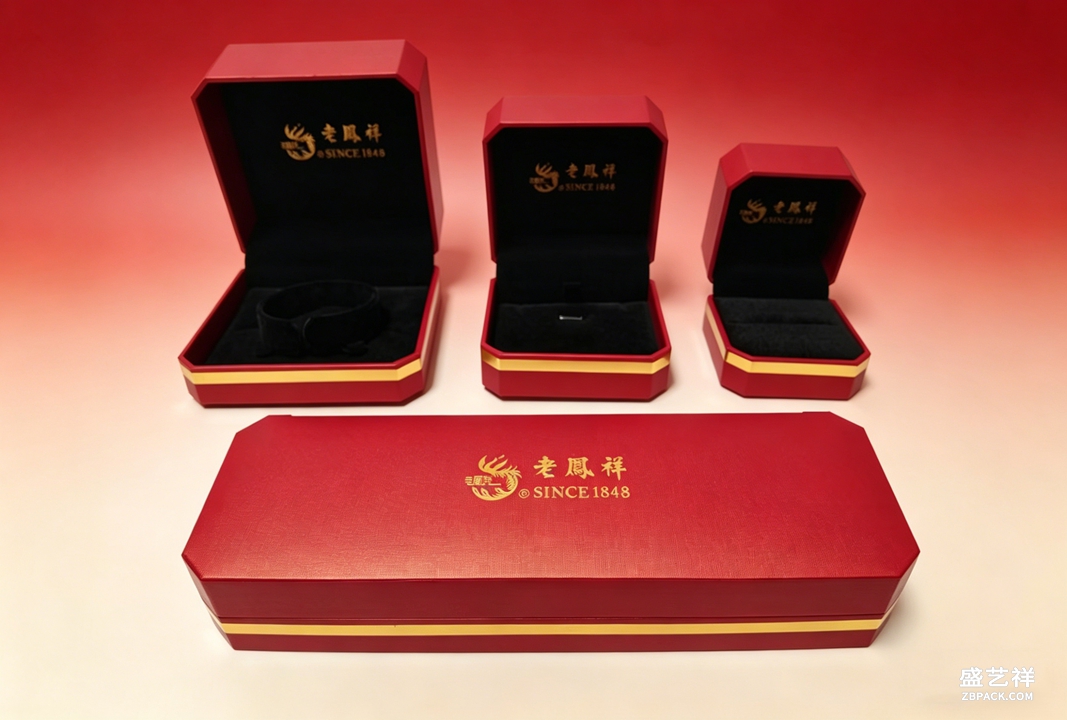
问四:盒子用久了为什么会松垮、关不严?寿命由什么决定?
四个变量。第一是基材挺度:高密度灰板撑得住反复开合和堆叠,低密度软板用一阵就软塌翘边。第二是包边工艺:转角是否分层折边、胶水是否固化到位,直接决定边角会不会开裂脱落。第三是五金疲劳:劣质磁铁会掉磁、廉价合页金属会疲劳,开合几千次后开始松动。第四是运输震动与湿度。一句话,盒子的寿命是"基材加工艺加五金"三者里最短的那块板。这也解释了为什么好盒子值得被保留和复用——Sappi 与 Clemson 大学 2025 年的"Touch Advantage"研究发现,触摸优质包装两次会让购买意愿提升百分之五十,四次达到百分之九十,而且拆高端包装时消费者表现出的正面情绪高出百分之九十五。盒子被留下、被拿来收纳,等于品牌在顾客家里长期占位。
问五:门店和电商,对开合的要求有什么不同?
门店的盒子是"演示件",导购一天要开合几十次,最怕卡顿和异响——合页必须顺、磁吸必须稳,顾客试戴时每一次开合都是无声的广告。电商的盒子是"开箱件",要扛得住长途运输的震动,又要在拆的那一刻有仪式感。这里有个矛盾:运输希望盖子锁得死,开箱又希望它轻轻一吸就开。成熟的做法是磁吸加一道可复位的卡扣或内衬压合,平时防松脱、开时不影响手感。数据也站在这个方向:TikTok 上 #unboxing 话题累计超八百五十亿次播放,约四成消费者会把好看的包装拍下来分享,而拆优质包装带来的正面情绪显著更高。珠宝盒工厂在做电商款时,往往把"运输不松、开箱有戏"当成一条独立的设计指标。
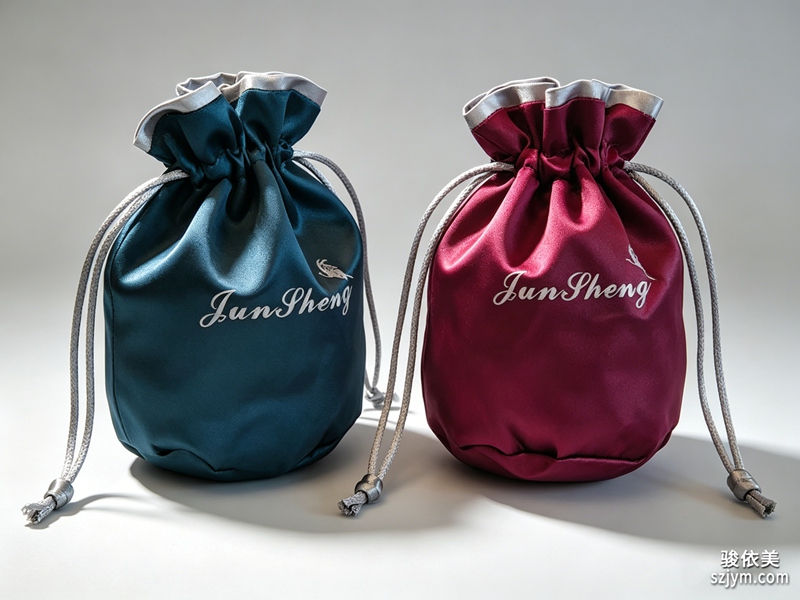
问六:采购时怎么把"开合寿命"写进验收,少踩坑?
最实用的办法是把验收清单写进合同附件,而不是口头说"要牢"。至少列五项:开合次数(建议万次级)、磁铁类型与标称拉力、合页材质、闭合缝隙公差、退磁与运输模拟测试。成本上别一刀切——磁吸盒单价并不比插扣盒贵多少,差距在磁铁选型和调试工时。建议先用柔性供应链小批量(几百只起)验证开合手感,再上大货;Shorr 的研究显示高端包装的增量成本通常两到三单就回本。盛艺祥的经验是:把"开合寿命"当成珠宝盒定制的硬指标,比追求表面的华丽更保值,也更经得起顾客反复开合。
本文为原创内容,版权归盛艺祥所有。如需转载请注明出处。
盛艺祥(Shengyixiang)——高端珠宝包装设计与定制专家,为品牌护航。
A jewelry box is picked up, opened and closed in a few seconds. Yet those few seconds of "feel" often decide whether a customer will pay a little more — and whether the box gets kept and reused next year.
Q1: Magnetic, hinge, or clasp — which closure should a jewelry box use?
For flip-top and two-piece (lid-and-base) boxes, magnetic closure has become the mainstream. A magnet embedded in both the lid and the base auto-aligns on close, leaving an even gap, opening with one hand, and sealing out dust and moisture. The industry standard is neodymium (NdFeB) magnets — small, magnetically stable, resistant to demagnetization and rust — sized from about 6mm to 15mm and matched precisely to the box and the desired closing force. But stronger is not better: too strong and it is hard to open, too weak and it pops open, and cheap magnets lose their pull. So for a factory the three hard rules are "moderate force, concealed and clean, durable." Hinges suit styles opened repeatedly in a demo; clasps and snap locks lean toward shipping protection, staying shut through transit. Which to choose is really about whether the box is mostly seen or mostly shipped.
Q2: Why do the most minimal, high-end boxes put the hardest demands on their hardware?
Because minimalism hides nothing. With no full-bleed foil or busy print to divert the eye, the magnet's alignment, the evenness of the lid gap, and the crisp "click" on close are all magnified. In other words, subtract from the surface, add to the hardware. The data backs this up: Dotcom Distribution's 2025 research found 72% of consumers say packaging design influences their purchase decision, and 61% say premium packaging makes them more likely to buy from the same brand again. Shorr Packaging's 2025 study is more specific — custom packaging lifted the repurchase rate from 19.5% for a plain brown box to 52.5% for a premium unboxing experience, while cutting returns by 15 points. Shengyixiang's rule in jewelry packaging design is simple: minimalism is not less material, it is moving budget from the flashy exterior to what the fingertips feel — the magnet's pull, the lid's weight, the clean edges.
Q3: What exactly is a "good feel" on opening? How do you check damping, rebound and silence?
Customers' "feel" breaks into three things. Damping: the lid closes slowly, not slamming shut. Consistent rebound: every open-close feels the same, not tight one day and loose the next. Silence: closing is a soft snap, not a rattling wobble. On acceptance, a magnetic box should close with an even gap, open with one hand, and not pop open by accident. Reputable factories tune the magnet through dozens of iterations and age the closure — one supplier lets glued, edge-finished blanks rest until the adhesive fully cures, then re-inspects, so daily opening, moving and friction do not loosen edges or show wear. NdFeB magnets are intrinsically stable and resist demagnetization even after long storage. Writing "smooth open-close, gap ≤ 0.5mm" into the acceptance sheet beats judging by looks.
Q4: Why do boxes go loose and fail to close over time? What sets their lifespan?
Four variables. First, substrate stiffness: high-density greyboard survives repeated opening and stacking; low-density soft board sags and warps after a while. Second, edge-binding craft: whether corners are folded in layers and the glue fully cured decides if edges crack or come off. Third, hardware fatigue: cheap magnets demagnetize, cheap hinges fatigue, and after a few thousand cycles things loosen. Fourth, transit vibration and humidity. In short, a box's life is the shortest of substrate, craft and hardware. This also explains why good boxes get kept and reused — Sappi and Clemson University's 2025 "Touch Advantage" study found that touching a premium package twice raises purchase intent by 50%, and four touches reach 90%, while unboxing premium packaging drew 95% more positive emotion. A box that is kept for storage is a brand occupying space in the customer's home.
Q5: Do in-store and e-commerce boxes demand different closures?
In-store boxes are "demo pieces" — a salesperson opens one dozens of times a day, so a stuck hinge or a rattle is fatal; the hinge must be smooth, the magnet steady, every open a silent ad. E-commerce boxes are "unboxing pieces": they must survive long transit yet still feel ceremonial on opening. There is a tension — shipping wants the lid locked, unboxing wants it to lift with a gentle pull. The mature solution is a magnet plus a resettable clasp or snug lining: secure in transit, unaffected in feel on open. The data leans this way too: TikTok's #unboxing hashtag has passed 85 billion views, about 40% of consumers film and share attractive packaging, and premium unboxing draws markedly more positive emotion. A jewelry box factory building for e-commerce often treats "stay shut in transit, perform on open" as its own design metric.
Q6: How should buyers write "closure life" into acceptance and avoid pitfalls?
The practical move is to put the acceptance checklist in the contract appendix, not just say "make it sturdy." List at least five items: open-close cycles (aim for the 10,000s), magnet type and rated pull, hinge material, closing-gap tolerance, and demagnetization plus transit-simulation tests. Do not treat cost as all-or-nothing — magnetic boxes are not much dearer than clasp boxes; the gap is in magnet selection and tuning time. Start with a flexible supply chain in small batches (a few hundred) to validate the open-close feel before mass production; Shorr found the incremental cost of premium packaging usually pays back within two to three orders. Shengyixiang's experience: treat "closure life" as a hard metric in jewelry box customization — it holds value better, and survives the customer's repeated opening, than surface flourish.
This is original content. Copyright belongs to Shengyixiang.
Shengyixiang — your expert in high-end jewelry packaging design & customization.