横向镶嵌钻戒走红 East-West Rings Become the Defining Jewelry Trend 2026
当 Zendaya 在 2025 年末亮出那枚约 5 克拉枕形钻石、横放在戒臂上的订婚戒,搜索引擎里 "east-west ring" 的查询量在数周内被点燃。几个月后,Miley Cyrus 的长枕形横镶、Dua Lipa 的横向主石接连上线——一个原本属于 Art Deco 藏家的老语法,几乎在一夜之间成了 2026 年订婚戒设计里被反复引用的一句话。
横向镶嵌(east-west setting)并不是新发明。它最早可追溯到 15 世纪的"横向镶嵌",在 1920 至 1930 年代的装饰艺术时期借着阶梯式切割的祖母绿与长阶梯钻重新走红。那个年代痴迷几何、对称与建筑感线条,把一枚 elongated 主石横过来,恰好把它的结构美放大。今天这股回潮,是同一套审美的现代复述:把主石从传统的"南北"竖放,转为"东西"横置,戒臂上便多出一道横向的视觉张力,既新鲜,又熟悉。
不同形状在横置下会"长出"不同性格。椭圆钻横过来是柔润的弧线,祖母绿阶梯切变成利落的建筑线条,马眼形(marquise)的尖角拉出大胆的横向张力,梨形(pear)侧放则俏皮而前卫,枕形(cushion)在横置中保留浪漫火彩又添现代感。同一颗石头,转 90 度就换了一副面孔——这正是横向镶嵌最迷人的地方:它让"形状"重新变成可被设计的变量,而不只是 4C 里的某一个数字。
为什么是现在?几个信号叠加在一起。第一,新人想要"不像别人的"。J&M、Simon West、Gerard McCabe 等独立珠宝商的 2026 趋势报告,用词惊人地一致:个性化、低饱和、建筑感。横向镶嵌恰好卡在"有辨识度但不怪"的窄缝里——它仍是那颗经典钻石,只是转了 90 度。
第二,"极奢式极简"(maximalist minimalism)成了新主流。今年的戒臂更厚、更有体量感,主石却用最低调的方式呈现。把中心主石横置,会让一枚钻石"铺"在手指上的宽度变大,视觉上更大气,却不必加克拉数——对预算敏感又想要存在感的买家,这是一笔划算的交换。再加上横置带来更低的戒面高度,日常佩戴更贴手、更少勾挂,实用性与姿态感同时到账。
第三,是名人的放大器效应。订婚是高度被围观的消费,一枚明星戒指能在社交平台把某种语法"合法化"。Zendaya、Miley Cyrus、Dua Lipa 几乎在同一窗口订婚,把"横过来"从工作室里的冷门选择,推进了主流橱窗。横向镶嵌也并非钻石专属——蓝宝石、祖母绿、红宝石横置同样出彩,彩色主石横向铺开时视觉占地更大,与 halo 或配石搭配能生出既闪又有个性的平衡。
再往深一层看,这是珠宝价值坐标的又一次迁移。过去十年,"更大更闪"是默认剧本;2026 年的新人开始问"它像不像我"。横向镶嵌卖的不是克拉,是姿态——一种安静、笃定、不喧哗的自信。它和同期走红的 bezel 包镶、hidden halo 暗藏式 halo、toi et moi 双石,同属一个母题:把表达权交还给佩戴者,而非交给克拉数。
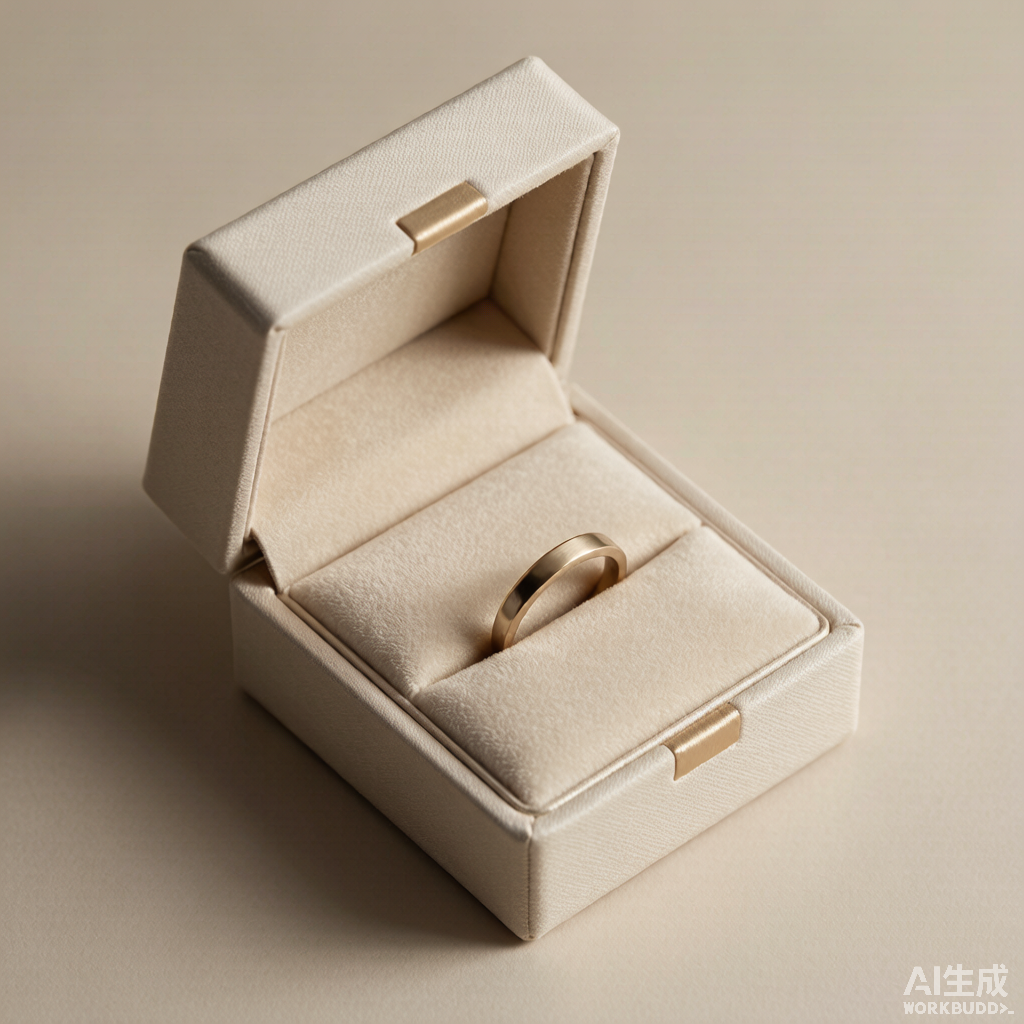
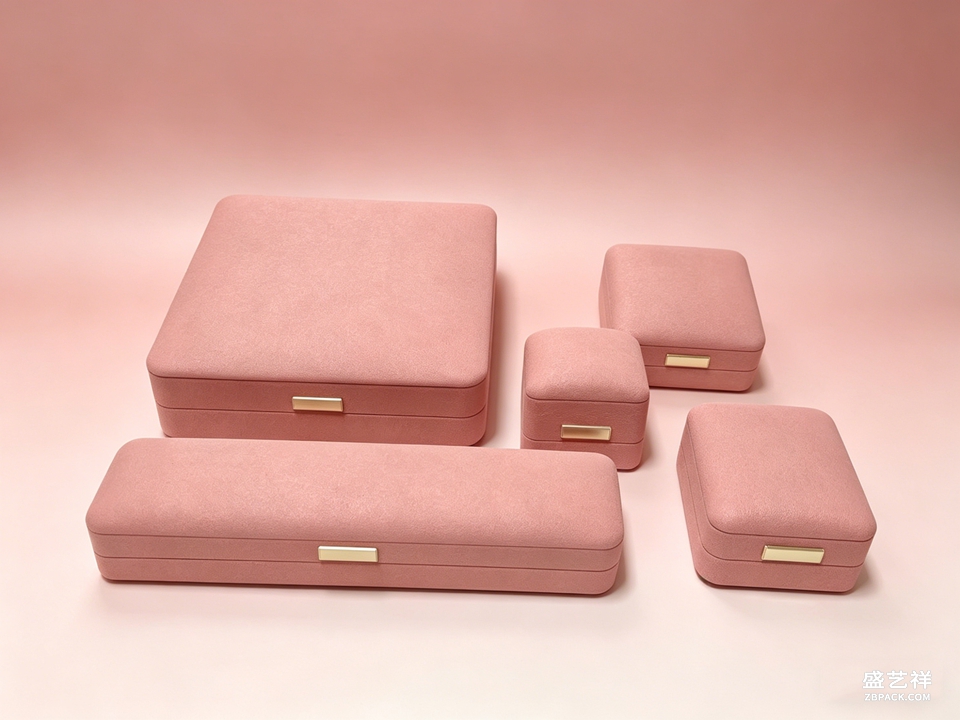
对呈现端的连带思考,往往被包装环节忽略。一枚横置主石的戒指,最迷人的角度是从正上方俯看那道横向展开——而这恰恰是国内 珠宝陈列道具 与 首饰盒 设计时容易错过的视角。多数戒枕开槽是为"竖放主石"做的,横向主石需要更宽、更浅的卡槽;盒内衬色应当替这道横向展开留白,而不是用满版绒布把它吃掉。盛艺祥 在接待定制客户时常提醒:戒指盒不是把戒指"装进去",而是把那 90 度的转向第一次讲给顾客听。珠宝包装设计 也该跟着"低轮廓、建筑感"走——更克制的线条、更扎实的盒体手感,呼应主石本身的安静自信。
一句话收束:2026 年的订婚戒不再比谁更亮,而是比谁更像自己;而把这份"像自己"稳稳交到手里,往往从一枚对的 首饰盒 开始。
本文为原创内容,版权归盛艺祥所有。如需转载请注明出处。
盛艺祥(Shengyixiang)——高端珠宝包装设计与定制专家,为品牌护航。
When Zendaya stepped out in late 2025 wearing an estimated 5-carat cushion-cut diamond turned on its side, search interest in "east-west ring" spiked within weeks. A few months later, Miley Cyrus's long cushion set horizontally and Dua Lipa's sideways center stone followed. A grammar once reserved for Art Deco collectors had become, almost overnight, the most quoted sentence in 2026 engagement-ring design.
The east-west setting is not new. It traces back to 15th-century "transverse" mounts and surged again in the 1920s and 1930s, when Art Deco's love of geometry, symmetry and architectural line made elongated stones look striking when laid across the finger. What we are seeing in 2026 is a modern retelling of the same idea: rotate the center stone from its traditional north-south vertical to an east-west horizontal, and the band gains a lateral tension that feels both fresh and familiar.
Different shapes take on new personalities when turned sideways. An oval becomes a soft curve; an emerald step-cut turns into clean architectural line; a marquise pulls a bold, wide tension with its points; a pear feels playful and fashion-forward on its side; a cushion keeps its romantic brilliance with a modern twist. The same stone, rotated 90 degrees, wears a different face — which is exactly the appeal: east-west makes "shape" a design variable again, not just one more number on a certificate.
The horizontal orientation also plays unusually well with the bezel setting, another 2026 headliner. A bezel surrounds the stone in metal rather than prongs, and when the stone lies east-west the metal reads as a clean, architectural frame around it. The pairing is sleek, low-profile and remarkably durable for everyday wear — which is why several designers now default to setting east-west centers in bezels. It is the rare trend that looks forward and still survives a real life of commuting, typing and the occasional knock against a doorframe.
Why now? Three signals overlap. First, couples want rings that do not look like everyone else's. Independent jewelers' 2026 trend forecasts — J&M, Simon West, Gerard McCabe — land on the same words: individual, low-key, architectural. East-west sits exactly in the narrow gap between "distinctive" and "not weird": it is still a classic diamond, just turned 90 degrees. Second, "maximalist minimalism" has become the new default. Bands are thicker and more substantial this year, while the stone is presented at its quietest. Laying the center stone horizontally makes a diamond "spread" wider across the finger, reading larger without adding carat weight — a sensible trade for buyers who want presence but watch the budget. Third, the celebrity amplifier: an engagement is a highly witnessed purchase, and a single star ring can legitimize a grammar across social feeds. Zendaya, Miley Cyrus and Dua Lipa essentially got engaged inside the same window, pushing "turn it sideways" from a studio curiosity into the mainstream case. And the look is not diamond-only — sapphires, emeralds and rubies set horizontally are just as striking, claiming more visual ground when paired with a halo or side stones.
The momentum is measurable, not just anecdotal. Within weeks of the first high-profile east-west engagements, independent retailers began naming it among their most-requested modern bridal styles, and designers started steering clients toward elongated cuts — oval, emerald, marquise, pear and cushion — precisely because they reward the horizontal turn. What was once a stylist's quiet trick is now a default question in the showroom: north-south, or east-west?
There is a practical poetry to the turn as well. Laying the stone horizontally creates the illusion of a larger diamond without increasing carat weight, and the lower setting sits closer to the finger, snagging less on sleeves and bag straps. In a year when couples are both more design-literate and more price-aware, that combination — more presence, same stone, easier life — is exactly the pitch that sells. East-west is also quietly rewriting the colored-stone conversation: a horizontally set sapphire solitaire reads as contemporary and regal at once, emeralds show off their gardens and step-cut depth, and rubies gain a wider band of saturated color. For buyers who want distinction without leaving the traditional stone vocabulary, turning a colored center sideways is the lowest-risk way to feel original.
Look closer and this is another shift in how jewelry assigns value. For a decade, "bigger and brighter" was the default script. The 2026 bride asks a different question: does it look like me? East-west sells not carats but posture — a quiet, certain, unloud confidence. It belongs to the same family as the bezel setting, the hidden halo and the toi-et-moi twin stone: giving the wearer the authorship, not the carat count. Part of its quiet power is that it is not gendered; the horizontal line reads as modern and architectural on any hand, which is why it travels easily between bridal and self-purchase, between a two-carat oval and a slim marquise on a thinner band.
For those who present and package the piece, the trend is a quiet brief that packaging often misses. The most flattering view of a horizontally set ring is the top-down angle that shows the lateral spread — a perspective 珠宝陈列道具 and ring boxes routinely overlook. Most ring cushions are cut for a vertical stone; a sideways center needs a wider, shallower cradle, and the interior color should leave negative space for that spread rather than swallow it in full velvet. 盛艺祥 reminds custom clients that a ring box does not merely hold the ring; it tells the story of that 90-degree turn for the very first time. 珠宝包装设计 should follow the stone's own language — lower profile, architectural restraint, a more solid hand-feel that echoes the stone's quiet confidence.
Step back, and east-west is a tidy summary of where fine jewelry sits in 2026. The conversation has moved from status signaling to self-authorship; buyers want pieces that feel intentional and unmistakably theirs, even when the stone is thoroughly traditional. A diamond turned on its side is the smallest possible rebellion — and the most elegant. The engagement ring no longer competes to be the brightest. It competes to be the most itself. And delivering that "most itself" safely into a hand begins with the right 首饰盒.
This is original content. Copyright belongs to Shengyixiang.
Shengyixiang — your expert in high-end jewelry packaging design & customization.