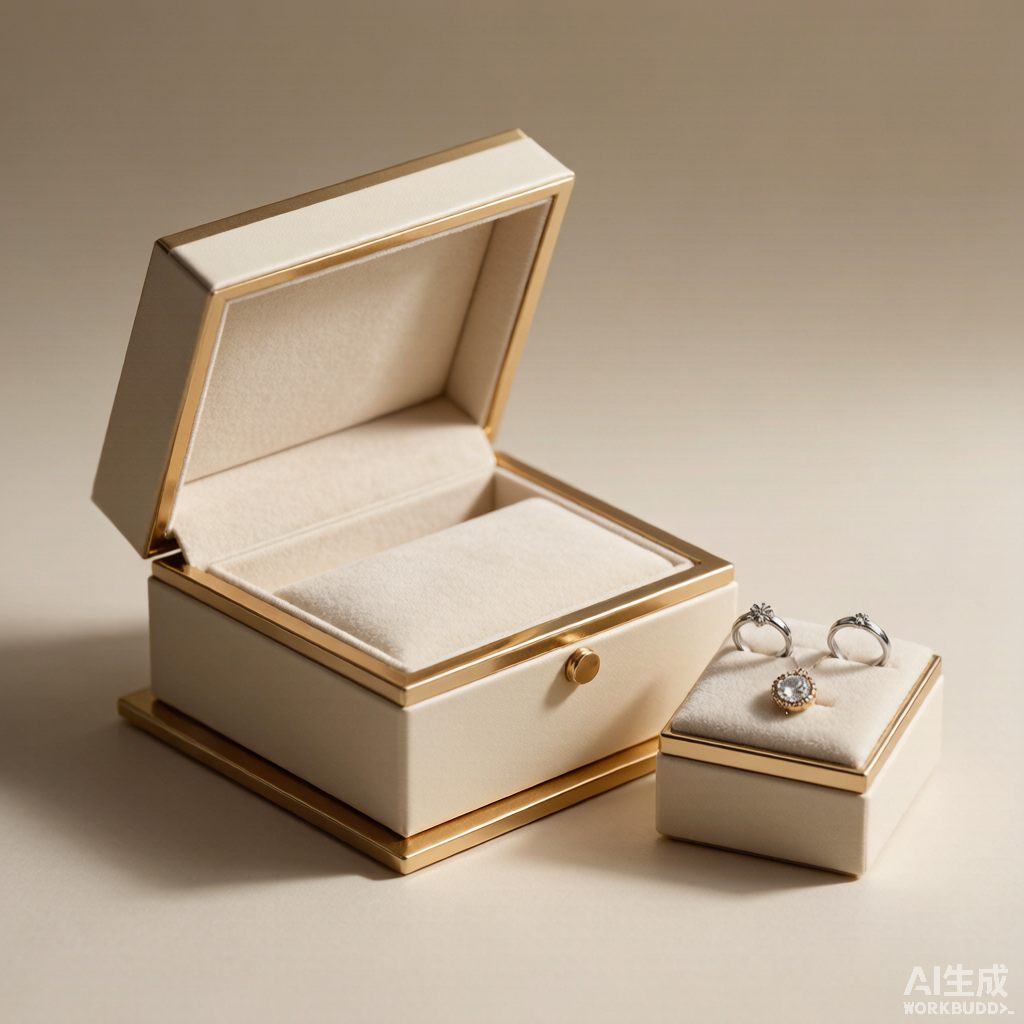
可持续珠宝包装潮 Why Sustainable Jewelry Packaging Became a Business Baseline
当一只戒指盒被扔进垃圾桶,品牌讲过的所有故事也随之消失。2026 年,珠宝包装的环保属性,已经从"加分项"变成了"入场券"——不做,可能连货架都上不去。
Q1:可持续珠宝包装,现在到底是噱头还是刚需?
A:让数据说话。行业调研显示,81% 的珠宝购买者会在购买时考虑可持续性,70% 对环保品牌保持更高忠诚度,62% 的 Z 世代更倾向选择可持续包装的品牌。麦肯锡 2025 全球消费者调研中,77% 的美国消费者认为"可回收包装"非常重要;Trivium 2023 年报告则指出 82% 的消费者愿意为可持续包装多付钱。对 盛艺祥 这样的 珠宝包装 供应商而言,这意味着环保不再是营销话术,而是客户下单前的隐性门槛——尤其在面向欧洲市场时,PPWR 法规已将这些要求变成法律。一句话:十年前环保是差异点,今天是及格线。全球环保包装市场预计到 2030 年达 2694 亿美元,增长由法规与消费双轮驱动;合作研究亦显示,带可持续宣称的产品五年累计增长 28%,无宣称的仅 20%——环保不是成本项,而是增长引擎。
Q2:真要做环保,材料上有哪些靠谱选择?
A:主流路径已经很清晰。第一,FSC 认证纸板材正成为基础标配,高端包装中消费后回收(PCR)纸板占比预计到 2026 年超过 65%;牛皮纸可达 100% 消费后废料,既可回收又显质感。第二,rPET(再生涤纶)正取代原生涤纶做内衬"植绒",相比原生涤纶能耗降约 50%、温室气体排放降约 70%——你摸到的那层"绒",可能就是回收塑料瓶变的。第三,新兴生物材料登场:蘑菇菌丝托盘、软木、竹纤维做内衬与展示托,可降解且有高级触感;PLA 生物基塑料在透明窗与薄壁件上替代传统塑料。对做 首饰盒 的工厂来说,重点不是"换不换",而是"怎么把环保材料和高端触感同时做出来"。全球 rPET 市场预计从 2024 年 1176 亿美元增至 2034 年 2678 亿美元(年复合增长率约 8.53%);再生纸相比原生纸在水耗与能耗上显著下降,且经压纹与水性涂层可模拟皮革、亚麻甚至木纹,触感不输传统豪华材料。
Q3:消费者嘴上说环保,真到选盒子时会买单吗?(诚实的"绿色落差")
A:这里有个必须说清的真相,否则就是另一种 greenwashing。口头意愿和实际行为有落差:麦肯锡 2025 数据显示消费者平均愿为环保包装付约 11% 溢价,但实际市场表现平均溢价高达 28%;德国 Simon-Kucher 调研更显示,民众支付意愿从 2021 年的 81% 跌到 2025 年的 54%。针对 K 金饰品的调研也发现,当被问"偏好哪种包装"时,选"品牌首饰盒"的占 42%,而"环保简约包装"仅 12%。这说明:环保是"期望"而非"被主动选择的审美"。正确做法不是用环保替换高级感,而是让环保藏在高级感里——FSC 纸做出皮革纹理、rPET 做出绒感、负空间代替填充。绿,要做得看不出来,才是真高级。
Q4:为什么高端简约的珠宝包装,反而更环保?(老板示例论点的可持续新切角)
A:这正是"高端简约更受顾客青睐"在可持续维度的最好注脚。简约结构天然省料:扁平折叠(flat-pack)、天地盖减层、去掉多余内衬与塑料覆膜,直接降低碳足迹;纸基替代塑料覆膜,成本与排放双降。某品牌全面转用 100% FSC 再生纸,每年减排数百吨 CO₂ 当量。对 盛艺祥 的 珠宝盒定制 客户,我们常建议"外观做减法,环保做加法"——把预算从炫目的外表堆砌,挪到指尖可感的环保触感(无胶痕、可回收、单一材质)上。越克制,越可持续,也越像高端。三者在这里不冲突,反而互相成就。扁平折叠(flat-pack)与可折叠结构在奢侈品包装中愈发流行,运输体积更小、单箱装得更多、运费与碳排同步下降;"便于拆解设计(DfD)"让消费者轻松分离材质、进入单一回收流,比纸塑金属混合材质更易被回收体系接纳。
Q5:怎么避免"伪环保",让顾客真的信?(认证与可追溯)
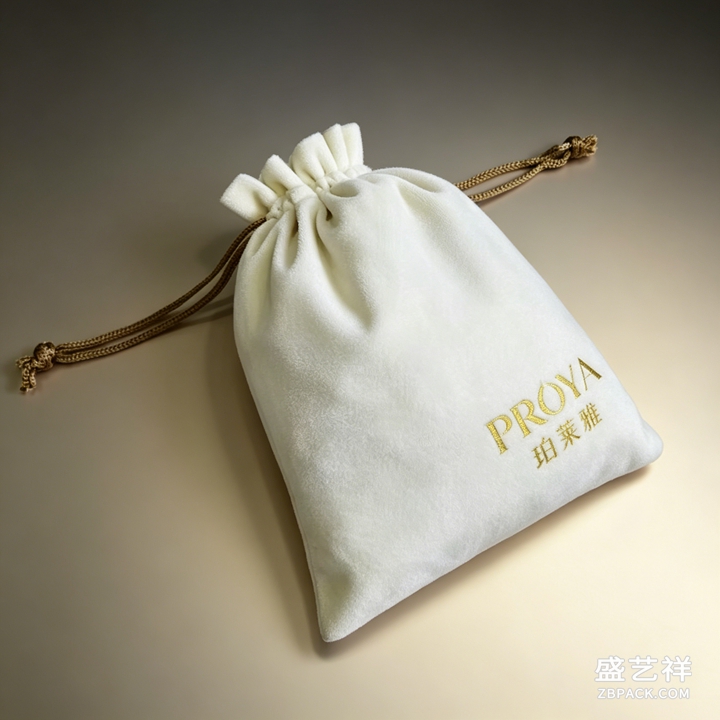
A:别让绿色只停留在印个树叶图案。83% 的消费者认为可回收性重要,20% 会直接拒绝没有任何标识的产品;66% 的消费者把"减量"列为最重要的可持续特征。可行做法:单一材质优先(避免纸+塑+金属复合,难回收),在盒面清晰印 FSC / GRS 认证标志,用二维码做碳溯源(有测试品牌扫码看全程碳排放、复购率提升约 19.8%)。对做 珠宝袋加工 与首饰袋的工厂,GRS 认证 rPET 是进入欧洲零售的"门票"。结论:先有认证,再讲故事;数据自己会说话。
Q6:投钱做环保包装,回报在哪?(ROI)
A:三笔账。第一,溢价空间:green premium 实际可达 28%,且环保款客单价更高;研究显示,带可持续宣称的产品五年累计增长 28%,无宣称的仅 20%。第二,复购与忠诚:70% 消费者对环保品牌更忠诚,可复用盒子/袋子变成长期免费广告位——78% 的美国消费者会重复使用节日礼袋。第三,风险对冲:PPWR、EPR、碳边境税把"不环保"变成罚款与清关成本,提前做等于提前避险。对品牌方,环保包装不是成本中心,而是利润与合规的双重杠杆。此外,可复用结构(戒指盒变旅行收纳、耳饰盒内衬整抽变梳妆台分格)延长了包装寿命,等于把一次性成本摊到多次使用上;某新锐品牌把包装换成 FSC 纸加大豆油墨,单套成本仅增 0.8 元、终端提价 5 元,大促当天销量同比翻两倍——环保带来的"高端感"直接把品牌拉出价格战。
本文为原创内容,版权归盛艺祥所有。如需转载请注明出处。
盛艺祥(Shengyixiang)——高端珠宝包装设计与定制专家,为品牌护航。
When a ring box lands in the trash, the brand story printed on it goes too. In 2026, sustainability in jewelry packaging has shifted from a "nice-to-have" to a "ticket to play" — without it, a product may not even reach the shelf.
Q1: Is sustainable jewelry packaging a gimmick or a real requirement?
A: The data is clear. Industry research shows 81% of jewelry buyers consider sustainability when they buy, 70% stay more loyal to eco-friendly brands, and 62% of Gen Z prefer brands with sustainable packaging. McKinsey's 2025 global consumer survey found 77% of US consumers rate recyclable packaging as very important, while Trivium (2023) reported 82% would pay extra for sustainable packaging. For a jewelry packaging supplier like Shengyixiang, this means eco-credentials are now an invisible threshold before a client even places an order — especially in Europe, where PPWR has turned these expectations into law. A decade ago, green was a differentiator; today it is the passing line. The global eco-friendly packaging market is projected to reach USD 269.4 billion by 2030, propelled by both regulation and demand; products with sustainability claims grew 28% cumulatively over five years versus 20% without — green is a growth engine, not a cost.
Q2: What materials actually work for eco jewelry packaging?
A: The mainstream path is well defined. First, FSC-certified paperboard is becoming the baseline; adoption of high-grade post-consumer recycled (PCR) paperboard in luxury packaging is projected to top 65% by 2026, and kraft paper can reach 100% post-consumer waste — recyclable and tactile. Second, rPET (recycled polyester) is replacing virgin polyester for the "velvet" lining; versus virgin polyester it cuts energy use by about 50% and greenhouse-gas emissions by about 70% — the soft surface you touch may literally be recycled bottles. Third, next-gen biomaterials are arriving: mycelium trays, cork, and bamboo fiber as inserts and display props, all biodegradable with a premium hand-feel; PLA bioplastic substitutes for traditional plastic in clear windows and thin parts. For a jewelry box factory, the question is no longer "switch or not" but "how to deliver eco and luxury touch at once."
Q3: Do customers who say they want green actually pay for it? (the honest green gap)
A: Here is the truth that must be told, or it becomes another form of greenwashing. Stated intent and behavior diverge: McKinsey 2025 puts the average stated premium at about 11%, yet actual market premiums averaged around 28%; Germany's Simon-Kucher study shows willingness to pay fell from 81% in 2021 to 54% in 2025. K-gold research found that when asked which packaging they prefer, 42% chose a "brand jewelry box" while only 12% chose "eco-minimal" packaging. The lesson: eco is an expectation, not a chosen aesthetic. The right move is not to replace luxury with eco, but to hide eco inside luxury — FSC paper embossed to look like leather, rPET that feels like velvet, negative space instead of filler. Green done invisibly is the real premium.
Q4: Why does high-end minimalist packaging happen to be greener? (the boss's point, sustainability angle)
A: This is the sustainability cut of "high-end minimalism wins customer favor." Minimal structures naturally save material: flat-pack, fewer box layers, no excess lining or plastic lamination — directly lower carbon footprint; paper replacing plastic lamination cuts both cost and emissions. One brand moved fully to 100% FSC recycled paper, cutting hundreds of tons of CO2-equivalent yearly. For Shengyixiang's jewelry box customization clients, we often advise "subtract on the outside, add on the eco-touch": move budget from flashy exteriors to fingertip-felt sustainable details (no glue marks, recyclable, mono-material). The more restrained, the more sustainable — and the more premium it reads. The three do not conflict; they reinforce each other.
Q5: How to avoid fake-green and earn real trust? (certification & traceability)
A: Don't let green stop at a printed leaf. 83% of consumers consider recyclability important, and 20% will reject products with no labeling at all; 66% of consumers rank "waste reduction" as the top sustainability feature. Practical steps: favor mono-materials (avoid paper+plastic+metal composites that are hard to recycle), print FSC/GRS marks clearly on the box, and use QR codes for carbon traceability (one tested brand let shoppers scan the full carbon footprint and lifted repurchase ~19.8%). For jewelry pouch manufacturing, GRS-certified rPET is the "ticket" into European retail. Rule: certify first, then tell the story; let the data speak.
Q6: Where is the return on greener packaging? (ROI)
A: Three accounts. One, pricing power: real green premiums reach ~28%, and eco SKUs carry higher average order value; research shows products with sustainability claims grew 28% cumulatively over five years versus 20% without. Two, loyalty and reuse: 70% are more loyal to eco brands, and a reusable box or pouch becomes a long-term free ad — 78% of US consumers reuse holiday gift bags. Three, risk hedging: PPWR, EPR and carbon border taxes turn "not green" into fines and customs friction, so acting early is prepaid insurance. For brands, eco packaging is not a cost center but a dual lever for margin and compliance. Reusable structures (a ring box that becomes travel storage, an earring insert that pulls out into a dresser tray) extend packaging life and spread one-time cost across many uses; one startup switched to FSC paper with soy ink, adding only $0.8 per unit yet raising price $5, and doubled sales on launch day — eco credibility pulled the brand out of a price war.
This is original content. Copyright belongs to Shengyixiang.
Shengyixiang — your expert in high-end jewelry packaging design & customization.